Several control strategies reduced noise and extended the time these qubits remained coherent during transport.
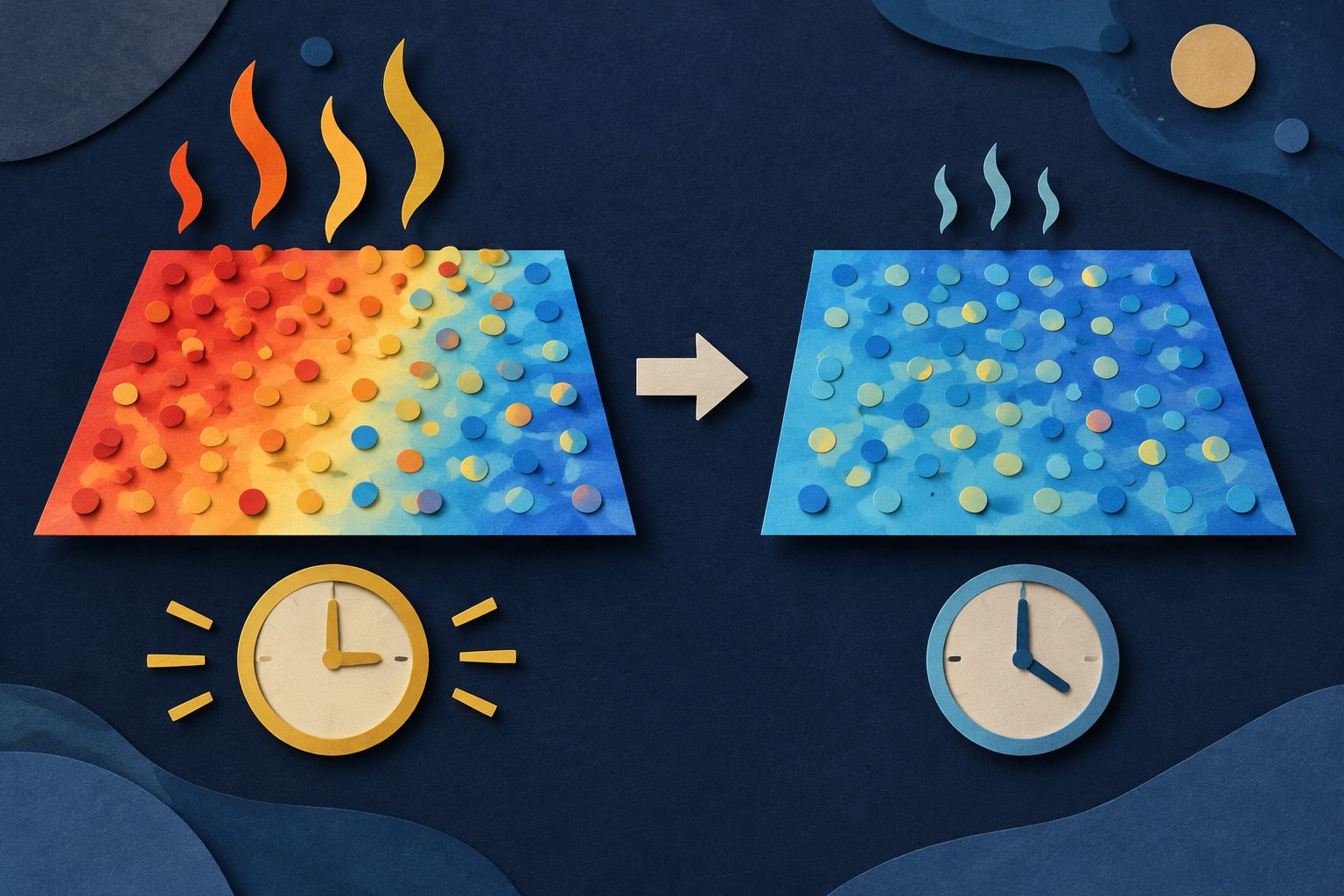
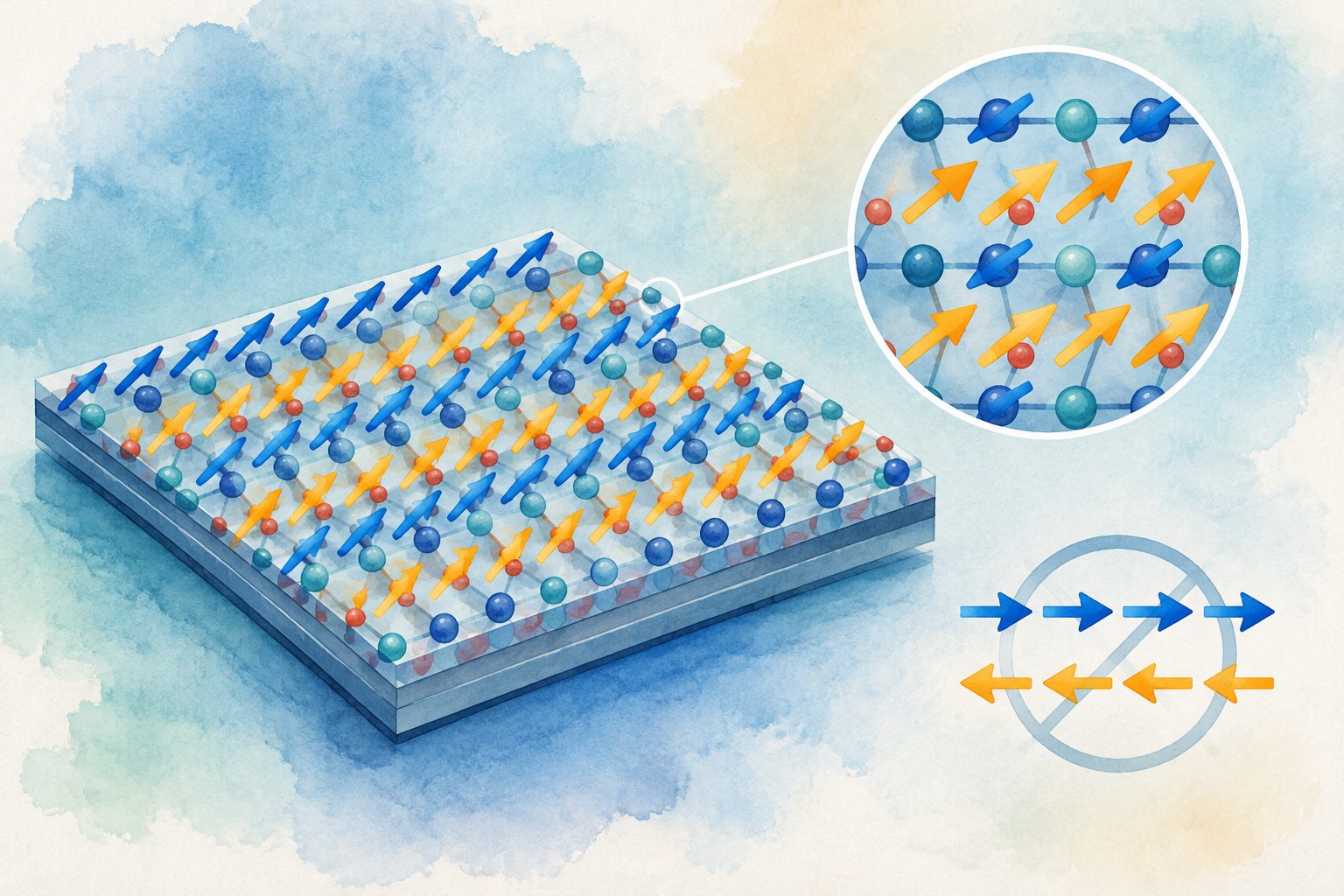
Mobile spin qubits could connect distant parts of a quantum processor, but moving them can expose them to changing noise. In a linear silicon/silicon-germanium device, researchers reduced magnetic-field gradients to weaken the link between charge noise and the qubit’s spin, doubling the spatially averaged dephasing time from 4.4 to 8.5 microseconds.
Periodic shuttling produced a further increase to 11.5 microseconds through motional narrowing, in which changing noise has less effect on the qubit. With dynamical decoupling during transport over distances greater than 200 nanometres, the researchers reached 32 microseconds. A dressed-state method also protected the qubit from low-frequency noise during one-way transport, with a decay time of 21 microseconds.
How moving qubits stayed coherent
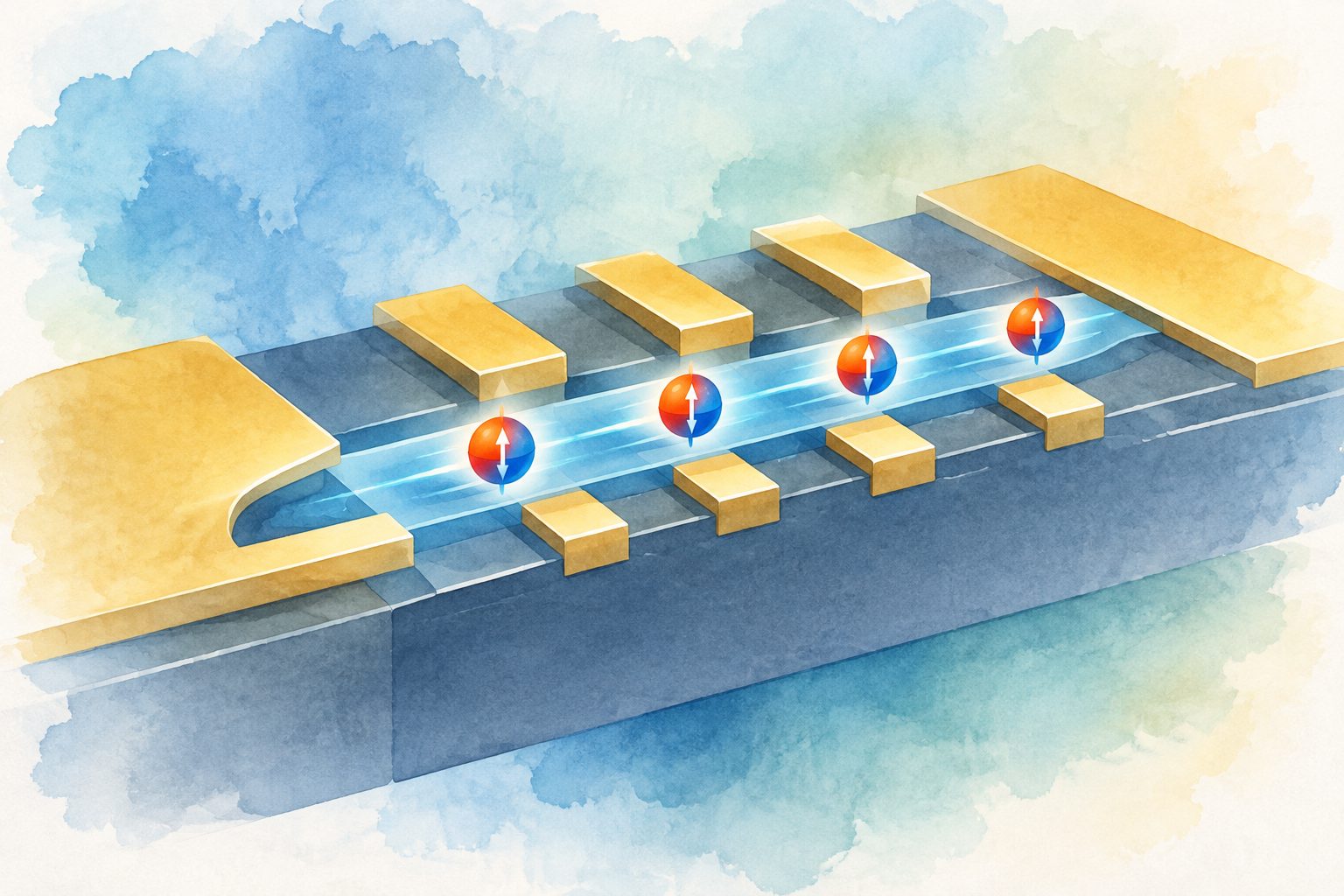
The researchers tested noise-reduction strategies in a linear 28Si/SiGe quantum-dot device. Passively reducing magnetic-field gradients increased the spatially averaged dephasing time from 4.4 to 8.5 microseconds. Periodic shuttling increased the coherence time to 11.5 microseconds, and combining shuttling with dynamical decoupling over distances exceeding 200 nanometres raised it to 32 microseconds.
They also demonstrated dressed-state shuttling, a method that protects the qubit from low-frequency noise during transport. It reached a decay time of 21 microseconds without the overhead of pulsed control and allowed protection during one-way spin transport.