Review finds small short-term cognitive effects in vascular dementia
Evidence for meaningful improvements in daily function, overall health, or behavior remains uncertain.
High evidenceReviewSome caution advised
Medical disclaimer: This article summarizes research findings and is for informational purposes only. It is not medical advice.
Editorial illustration — not from the study.
The systematic review and meta-analysis examined placebo-controlled trials of several medicines and other pharmacological interventions for vascular dementia. Most of the trials were published in 2012 or earlier, and only one was published later.
Galantamine and memantine showed small average improvements on specific cognitive scales, with moderate certainty for those results. A possible effect was also seen with EGb 761, but the results varied greatly between studies and were rated very low certainty. The review concluded that benefits important to patients remain uncertain.
The question reviewed
Researchers searched four databases for English-language, parallel-group randomized controlled trials published from 1990 through 2025. They identified 16 trials involving 5,668 participants across the trial cohorts and compared several interventions with placebo when results could be combined. The interventions included EGb 761, nimodipine, galantamine, memantine, rivastigmine, pentoxifylline, citicoline, sulodexide, donepezil, and Tianzhi granule. Outcomes included cognitive test scores, behavior, function, and overall clinical status.
What the evidence shows
Across two trials involving 1,332 participants, galantamine was associated with lower average scores on the ADAS-Cog/11 cognitive scale by 2.01 points compared with placebo; the 95% confidence interval ranged from 3.18 points lower to 0.85 points lower. In two trials involving 1,328 participants, galantamine was also associated with a 2.51-point lower average ADAS-Cog/13 score, with a 95% confidence interval from 3.87 points lower to 1.15 points lower. These results were rated moderate certainty.
Memantine was associated with a 2.20-point lower average ADAS-Cog/11 score in two trials involving 752 participants, with a 95% confidence interval from 3.24 points lower to 1.15 points lower; this evidence was also rated moderate certainty. EGb 761 was associated with lower SKT scores in three trials involving 283 participants, but the studies differed substantially from one another, and this evidence was rated very low certainty.
There was no clear effect of galantamine on behavioral symptoms measured by the Neuropsychiatric Inventory, or of memantine on the Gottfries-Bråne-Steen scale. Evidence for the other seven interventions was mainly based on single trials and could not generally be combined. Functional and overall clinical outcomes did not show consistent benefit.
Who this is relevant to
These findings may be relevant to people with vascular dementia who resemble the participants in the included randomized trials, but the abstract does not fully describe those populations. The results concern average changes on selected measures and may not translate into noticeable improvements in daily life. They should not be assumed to apply to people without vascular dementia, to all forms of dementia, or to every intervention and patient group.
Why it matters
Vascular dementia affects cognition and can also affect daily function, behavior, and overall independence. This review suggests that some interventions may produce small changes on particular cognitive tests in the short term, but it does not establish that they improve the outcomes most important to patients. The findings also do not show that any one intervention is generally effective or appropriate for all people with vascular dementia.
Limitations & evidence assessment
The review included only 16 trials, and nearly all were published in 2012 or earlier, so the evidence may not reflect more recent research or current clinical practice. Results for many interventions came from a single trial, limiting confidence in those findings, and several outcomes could not be pooled. The EGb 761 analysis had extreme variation between studies and very low certainty. The abstract does not provide enough detail about follow-up duration, participant characteristics, adverse effects, or the specific methods and results of each trial. As a meta-analysis, the review also depends on the quality and comparability of the underlying studies.
Why this evidence level: Meta-analysis pooling multiple studies sits at the top of common evidence hierarchies.
Evidence levels are editorial estimates derived from study metadata — they are not clinical appraisals.
// Source
European Journal of Clinical Pharmacology · 2026 · DOI: 10.1007/s00228-026-04158-9
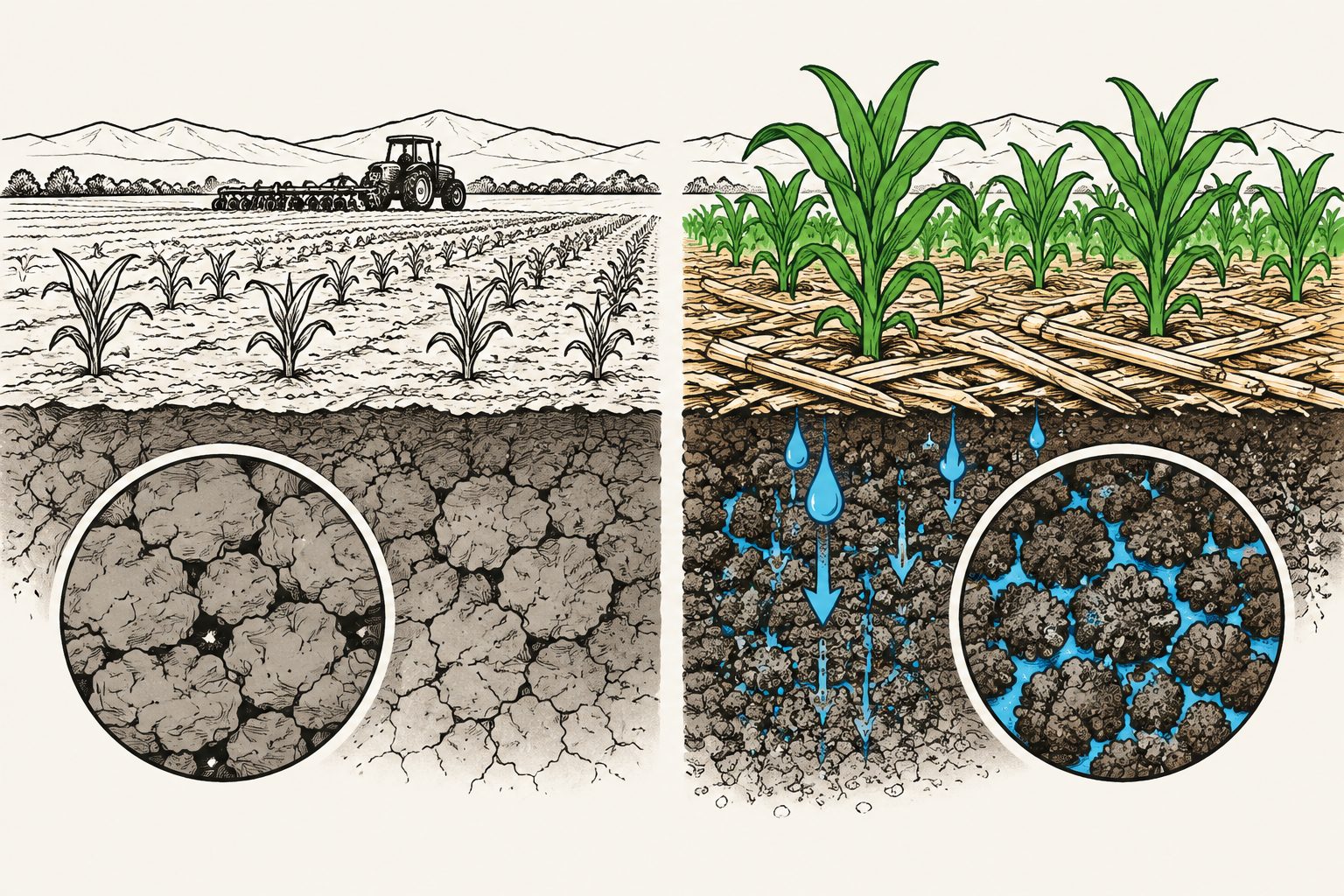
A 20-year comparison in California’s Central Valley found that reduced tillage with cover crops produced more stable soil aggregates, greater water retention and different forms of carbon protection than standard tillage without cover crops. The conservation system also retained room for additional carbon storage, although the study measured potential rather than future gains.
Human forebrain organoids classified artificial tactile Braille signals after a sensor converted the touch data into electrical stimulation. Accuracy averaged 61% with one organoid and rose to 83% when responses from three organoids were combined.
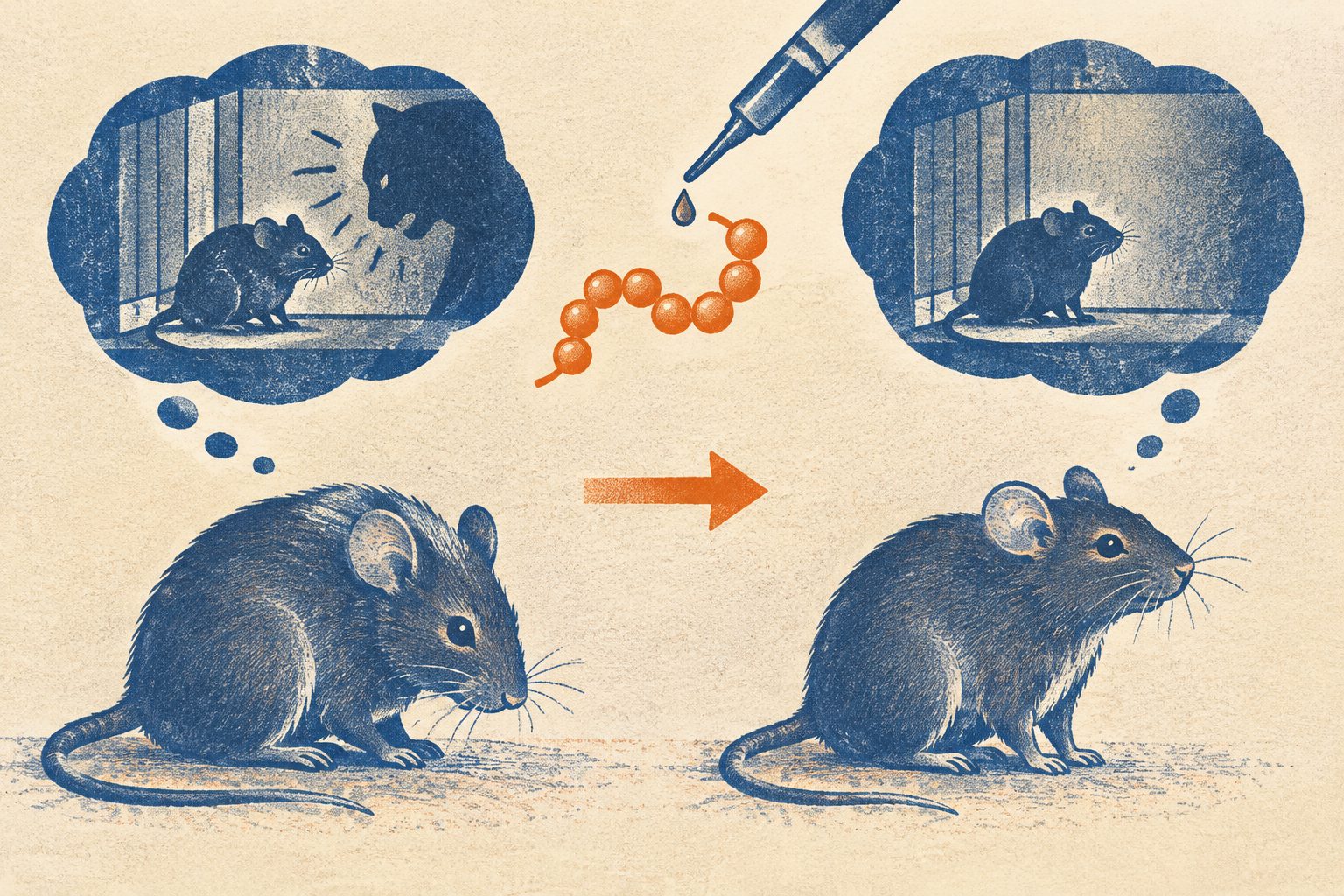
A study in mice found that a peptide targeting the memory-related protein CPEB3 reduced the persistence of traumatic memories and anhedonia, a loss of pleasure. The findings are an early genetic preclinical test of a possible approach for PTSD, not evidence of a treatment in people.