Review finds mixed evidence for hyperbaric oxygen in muscle and bone problems
The strongest reported signals were for avascular necrosis and bone marrow edema, but study quality and treatment methods varied.
High evidenceReviewSome caution advised
Medical disclaimer: This article summarizes research findings and is for informational purposes only. It is not medical advice.
Editorial illustration — not from the study.
Researchers systematically reviewed clinical studies published from January 1996 through January 2026 that examined hyperbaric oxygen therapy for selected musculoskeletal conditions in humans. They found that results varied by condition. Randomized trials involving exercise-related muscle damage and delayed muscle soreness did not show a significant benefit, while studies of avascular necrosis and bone marrow edema more consistently reported improvements in imaging, pain, and function.
Evidence for ligament healing was limited, and findings about tendon oxygenation were inconclusive. The review reported that adverse events were rare and mild, but the underlying evidence was uneven: non-randomized studies had important risks of bias, and the differences between studies meant that the researchers performed a qualitative rather than statistical synthesis.
What the review covered
The researchers conducted a systematic review of human intervention studies identified through PubMed and LIVIVO searches covering January 1996 to January 2026. They included studies of hyperbaric oxygen therapy for selected musculoskeletal conditions and excluded combination therapies, transplantations, radiation injuries, osteomyelitis, and spine and oral surgery. Nineteen studies involving 612 patients were included. The conditions were grouped into muscle, tendon, and ligament injuries; avascular necrosis; and bone marrow edema. Because the study designs and outcome measures differed, the researchers summarized the findings qualitatively rather than combining them into a single overall effect estimate. They assessed risk of bias with established tools for randomized and non-randomized studies.
Key conclusions
Across the 19 studies, evidence for exercise-induced muscle damage and delayed onset muscle soreness was limited, and randomized controlled trials found no significant benefit. Studies of avascular necrosis and bone marrow edema reported more consistent improvements in imaging findings, pain, and functional scores, especially when treatment involved longer protocols. Limited evidence suggested possible benefits for ligament healing, but tendon-related findings were inconclusive. Treatment protocols varied from 1 to 12 sessions for soft-tissue conditions and 20 to 80 sessions for bone conditions, with sessions generally lasting 60 to 90 minutes and using 100% oxygen. Adverse events were described as rare and mild. These results are associations and study findings, not proof that hyperbaric oxygen caused every reported improvement, particularly because many non-randomized studies had substantial bias risks.
Who this is relevant to
The findings concern human clinical studies of hyperbaric oxygen therapy for selected musculoskeletal conditions, including muscle soreness or injury, ligament injuries, avascular necrosis, and bone marrow edema. They may be most relevant to people with conditions similar to those studied, but the review does not establish that the findings apply to all musculoskeletal problems, and it does not show that the therapy is beneficial for every patient. Its relevance is limited for excluded conditions such as spine and oral surgery, radiation injuries, osteomyelitis, and transplant-related problems.
What this could mean
The review maps where human clinical evidence appears more consistent and where it remains uncertain. It suggests that avascular necrosis and bone marrow edema warrant further well-designed research, while evidence for muscle recovery, ligament injuries, and tendon problems is not yet conclusive. The findings may inform discussion and future research in orthopaedic and sports medicine, but they do not by themselves establish effectiveness, appropriate use, or long-term safety for individual patients. The review describes the therapy as an adjunctive or off-label area of clinical interest, not as a proven approach for all musculoskeletal conditions.
Limitations & evidence assessment
The review included only 19 studies and 612 patients, and the studies used different treatment protocols, outcomes, and designs, preventing a quantitative pooled analysis. Randomized studies generally had low risk of bias, but non-randomized studies had serious-to-critical concerns related to confounding and measurement. The abstract does not provide detailed information about follow-up duration, the size of individual study groups, or how adverse events were assessed. The findings also apply only to the conditions and studies included in the review.
Why this evidence level: Systematic review aggregating primary studies with explicit methodology.
Evidence levels are editorial estimates derived from study metadata — they are not clinical appraisals.
This systematic review examined randomized human trials of concurrent chemotherapy and radiation for locally advanced head and neck, cervical, esophageal, and non-small-cell lung cancers. Across the included trials, combined treatment was reported to provide better overall survival than radiation alone, but it also caused more severe short-term side effects. The review did not provide enough information in its abstract to show how many trials or patients were included.
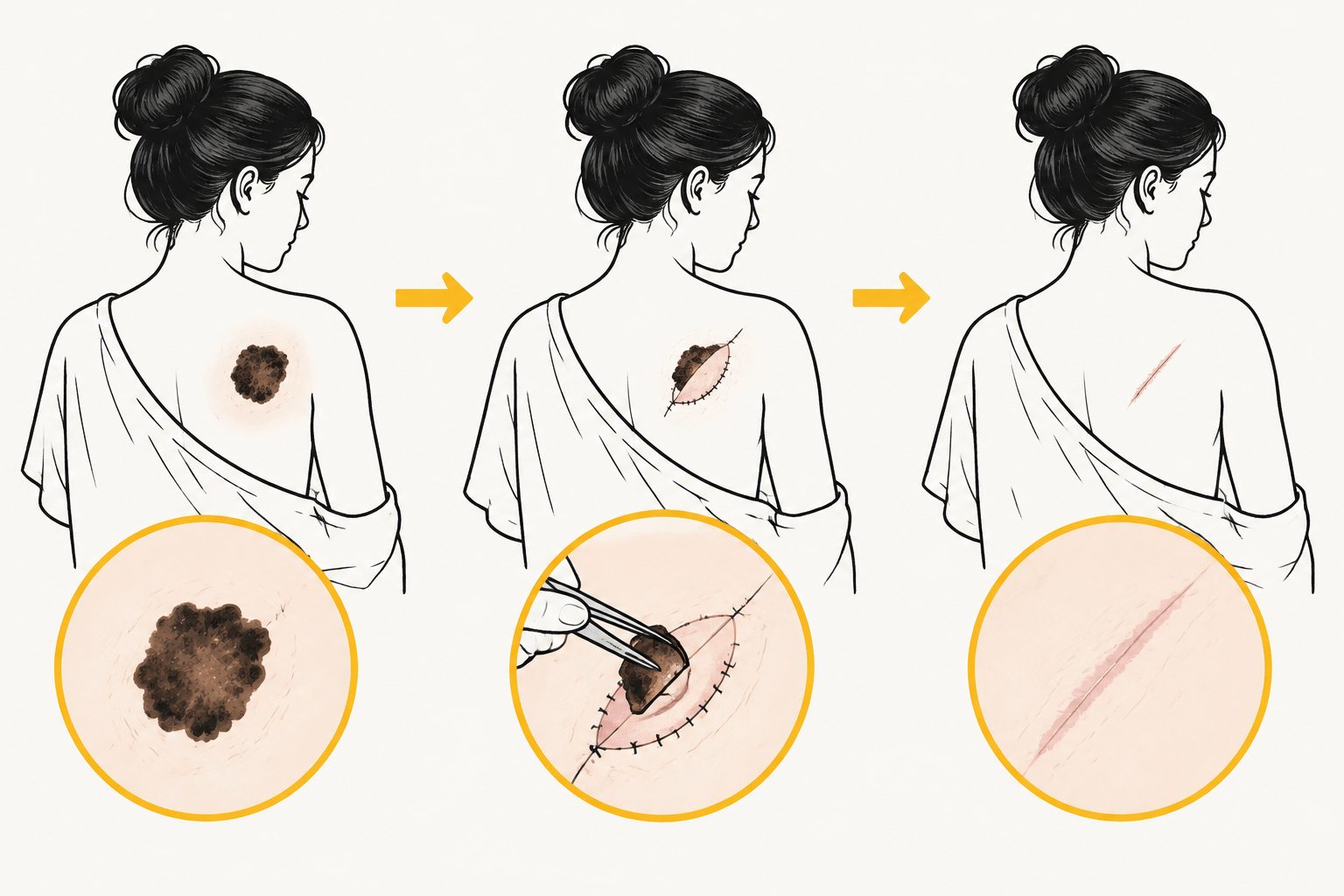
Researchers pooled results from seven human studies comparing multiple-staged with single-stage removal and reconstruction of congenital melanocytic nevi, sometimes called congenital moles. Staged surgery was associated with fewer major wound complications and recurrences, as well as slightly shorter and narrower scars, but the studies did not find a clear difference in cosmetic or overall patient satisfaction.
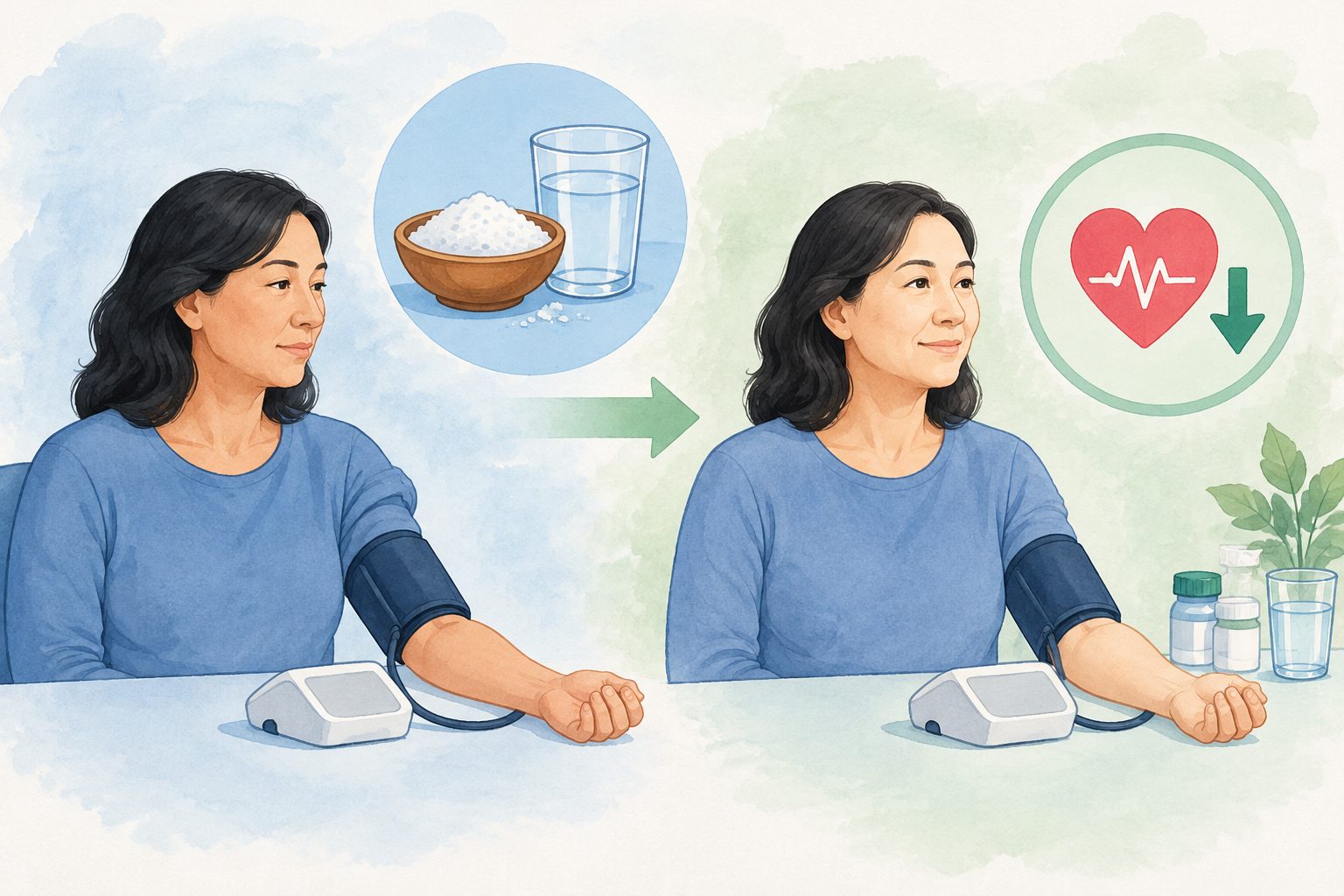
A cluster-randomized human study in 210 adults with recently detected stage 1 hypertension in Uzbekistan compared salt-sensitivity testing followed by assigned medication choices with conventional management. After 12 weeks, more participants in the testing-guided group reached the study's blood pressure target, although the study was small, short, and conducted in only three primary care centers.