Review examines why children often receive medicines outside official labels
The article argues that off-label use in children can be evidence-based, while important gaps in pediatric research and regulation remain.
Low evidenceReviewSome caution advised
Medical disclaimer: This article summarizes research findings and is for informational purposes only. It is not medical advice.
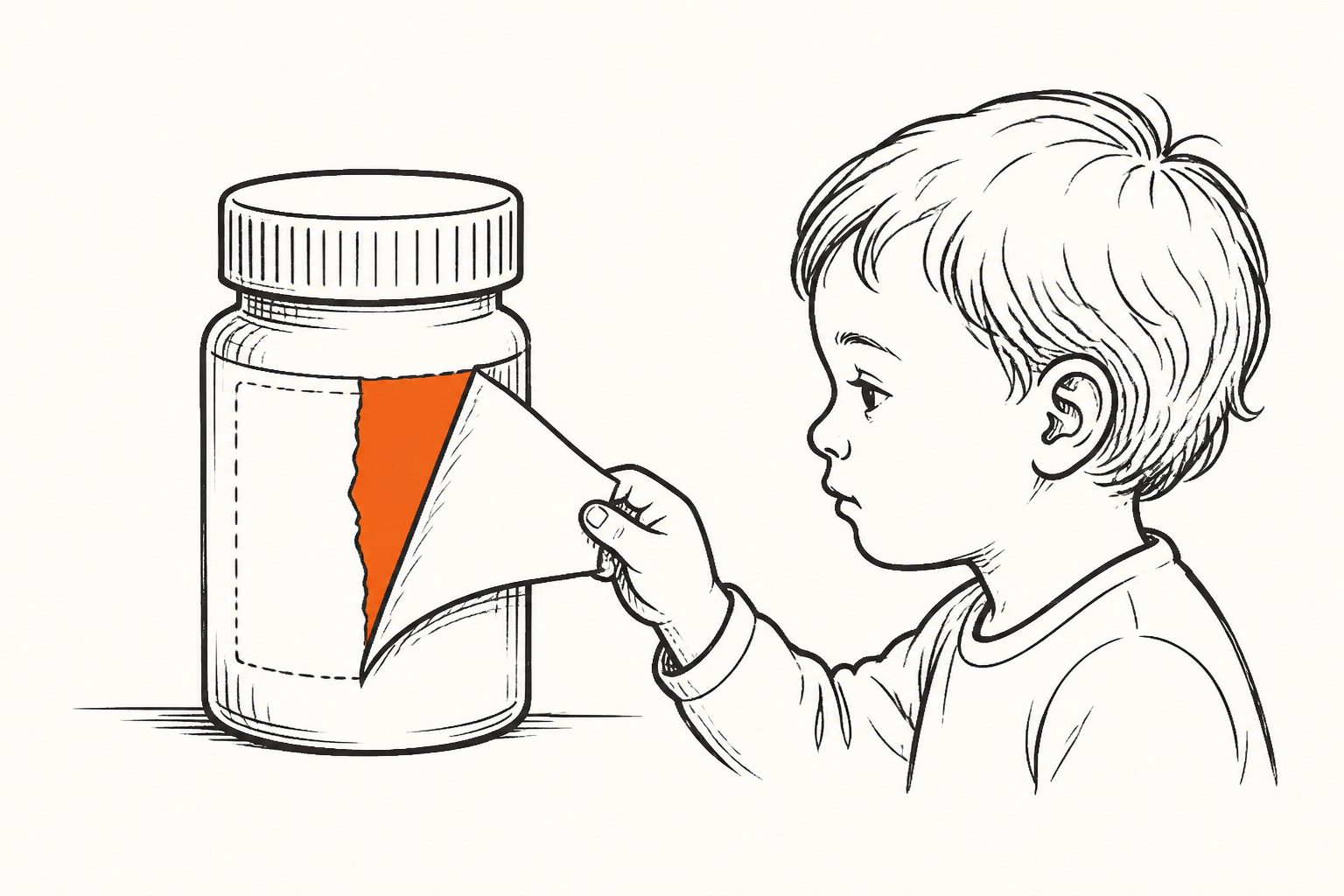
Editorial illustration — not from the study.
The authors discuss United States and European efforts to increase pediatric medicine research and labeling information. They say these programs have not fully closed the evidence gap because pediatric studies may be delayed, incomplete, or postponed until after a medicine reaches the market.
The review separates unsupported off-label use from prescribing supported by research, clinical guidelines, or established clinical experience. Examples are discussed in pediatric cancer care, child psychiatric disorders, and supportive care, but the excerpts do not provide new patient-level results from these areas.
What the review examined
The article reviewed the regulatory and clinical evidence surrounding off-label medicine use in children. It discusses United States programs, European pediatric regulations, and the Italian experience, including efforts intended to support pediatric prescribing. The available excerpts do not state that the authors conducted a systematic literature search, meta-analysis, or new study involving a defined number of patients.
What the evidence shows
The authors conclude that off-label prescribing is common in pediatrics and is not inherently the same as inappropriate prescribing. They report that some off-label uses are supported by scientific evidence, guidelines, or long-standing clinical experience, even when the official label has not been updated. They also conclude that pediatric research and regulatory systems remain incomplete, with delays in required studies, limited enforcement, and ongoing shortages of suitable formulations for some children, including neonates. These are conclusions of a narrative review and synthesis, not results from a new clinical trial.
Who this may apply to
The discussion is broadly relevant to pediatric healthcare and medicine regulation, especially in settings similar to those described in the United States, Europe, and Italy. It does not provide evidence that applies directly to every child, condition, medicine, dose, formulation, or clinical situation. It also should not be read as showing that off-label prescribing is generally appropriate; the article itself says that appropriateness depends on the strength and relevance of the evidence, the clinical context, and safety monitoring.
What this could mean
Children may receive medicines without complete pediatric information in the official product label. The review highlights that regulatory status alone may not fully describe the evidence behind a prescription, while also emphasizing that off-label use can be poorly supported in some situations. Its discussion is relevant to how pediatric medicines are researched, regulated, and evaluated, but it does not establish that any particular off-label medicine is effective or safe for an individual child.
Limitations & evidence assessment
The excerpts provide no detailed methods for how evidence was searched, selected, or judged, and no quantitative synthesis is reported. The article relies partly on studies cited as background or related evidence rather than presenting new patient data. The review also makes broad claims across several conditions and countries, but the available text does not give enough detail to determine how representative the cited evidence is. The excerpts are incomplete, so additional limitations may not be visible.
Why this evidence level: This is a review and discussion article rather than a new clinical study, systematic review, or formal guideline. The excerpts do not describe a systematic search, study selection process, or quantitative synthesis, so the strength of its overall conclusions cannot be independently assessed from the available information.
Evidence levels are editorial estimates derived from study metadata — they are not clinical appraisals.
// Source
The Italian Journal of Pediatrics/Italian journal of pediatrics · 2026 · DOI: 10.1186/s13052-026-02348-w
This systematic review examined quality-of-life outcomes at least three months after caesarean delivery among women who reported persistent postsurgical pain. Across 30 studies involving 28,295 women, persistent pain was associated with difficulties in daily activities, sleep, mood and energy, although the studies used different definitions and measures.
Researchers examined prescribing patterns among 239,995 Danish residents with type 2 diabetes who were diagnosed at age 40 or older. Nearly one third had at least one possible omission under the study's general prescribing criteria, and prescribing gaps involving cardiovascular care were common. The study found associations with being female and living alone, but it did not show that these factors caused the prescribing differences.
Researchers analysed double-blind randomised trials of adults with major depressive disorder to compare 10 antidepressants with placebo during the first eight weeks of treatment. Some medicines were associated with longer QTc intervals, a heart rhythm measurement, but the analysis did not find higher rates of early major cardiovascular events or non-suicidal death compared with placebo.