Review examines empathy training for medical students
Eight studies found varied effects of curriculum-based activities on different parts of emotional empathy.
High evidenceReviewSome caution advised
Medical disclaimer: This article summarizes research findings and is for informational purposes only. It is not medical advice.
Editorial illustration — not from the study.
Researchers searched PubMed and Web of Science for studies available through January 2025. They identified 139 records and included eight studies in the review. Because the studies used different designs, teaching activities, and outcome measures, the researchers summarized them narratively rather than combining their results statistically.
All eight studies reported some change in emotional empathy after an educational intervention. Reflective activities, communication training, and improvisation-based learning appeared helpful in some studies, while effects varied on empathic concern, perspective-taking, and personal distress. The review does not establish which approach is most effective or whether changes continue over the long term.
The question reviewed
The review asked how educational interventions included in medical-school curricula affect emotional empathy in medical students. Researchers conducted a systematic search of PubMed and Web of Science in January 2025, following PRISMA 2020 guidelines. Of 139 articles identified, eight studies met the inclusion criteria. The abstract does not provide the total number of students, the detailed designs of the included studies, or the length of follow-up.
What the evidence shows
All eight included studies reported some effect of an educational intervention on emotional empathy, but the direction and size of effects varied across different aspects of empathy. Reflective sessions, communication training, and improvisation-based learning appeared particularly beneficial in some studies. Some interventions were associated with greater empathic concern or perspective-taking, while others were associated with less personal distress. Because the studies were inconsistent, the researchers could not make direct comparisons or identify a clearly superior intervention.
Who this is relevant to
These findings may apply to medical students in educational settings similar to those represented in the included studies. They do not establish effects for practicing clinicians, patients, other student groups, or medical schools using different teaching methods. Because the review did not provide detailed information about the study populations and follow-up, the extent to which the findings apply across countries, cultures, and types of medical training is unknown.
Why it matters
Emotional empathy is relevant to how medical students communicate and relate to patients, and it may also relate to students' well-being. The review suggests that curriculum-based training could support some aspects of empathy, but it does not show that these interventions lead to better patient outcomes, greater treatment adherence, or improved resilience. The findings are most relevant to medical education and should not be interpreted as evidence that any particular training method improves health outcomes.
Limitations & evidence assessment
The review included only eight studies, and the studies differed in their methods, interventions, outcome measures, and findings. This heterogeneity prevented a direct statistical comparison of results. The abstract does not give enough information about the participants, study quality, control groups, or follow-up periods, so those features are unknown. The limited number of studies and lack of standardized approaches also restrict how broadly the findings can be generalized.
Why this evidence level: Systematic review aggregating primary studies with explicit methodology.
Evidence levels are editorial estimates derived from study metadata — they are not clinical appraisals.
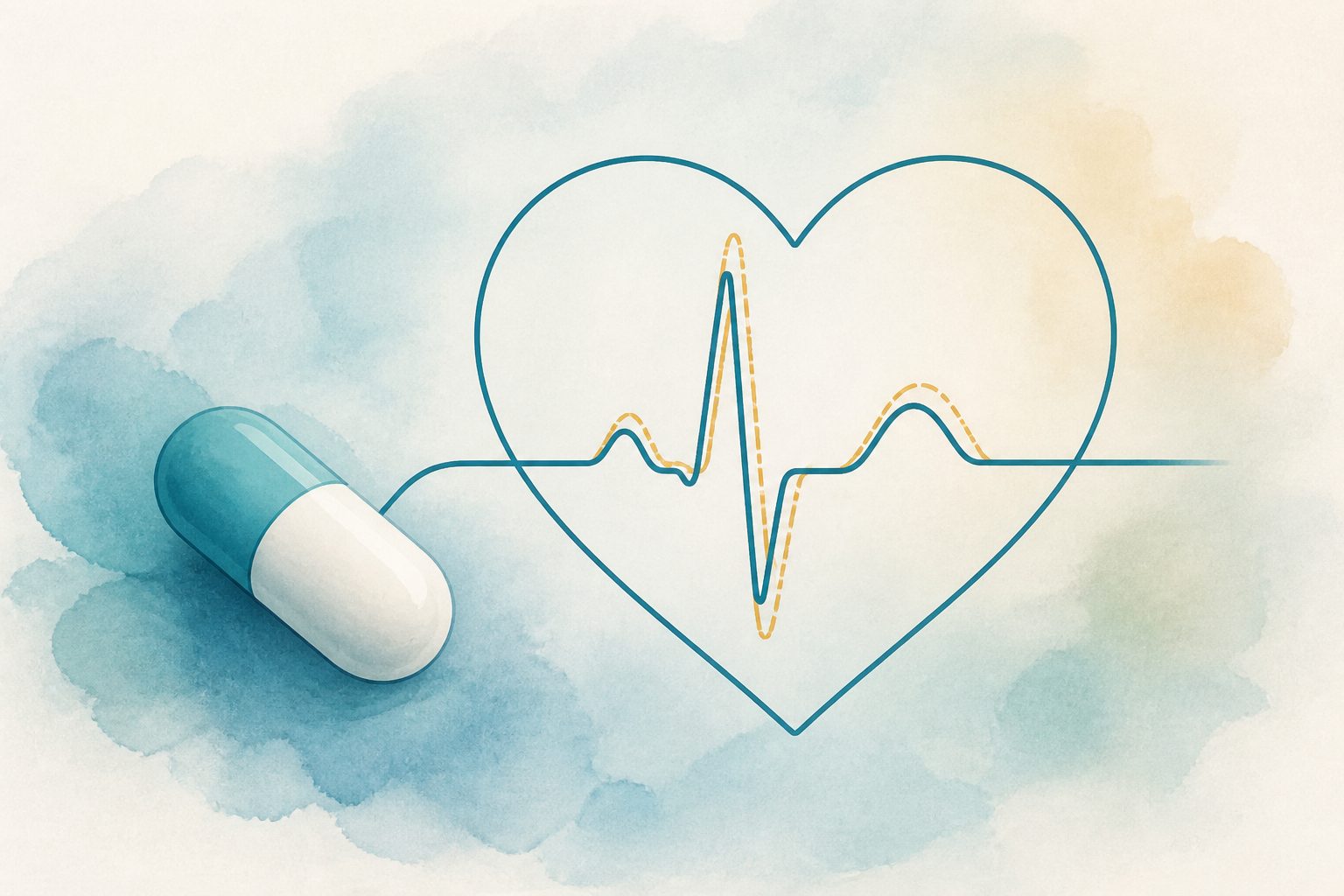
Researchers analysed double-blind randomised trials of adults with major depressive disorder to compare 10 antidepressants with placebo during the first eight weeks of treatment. Some medicines were associated with longer QTc intervals, a heart rhythm measurement, but the analysis did not find higher rates of early major cardiovascular events or non-suicidal death compared with placebo.
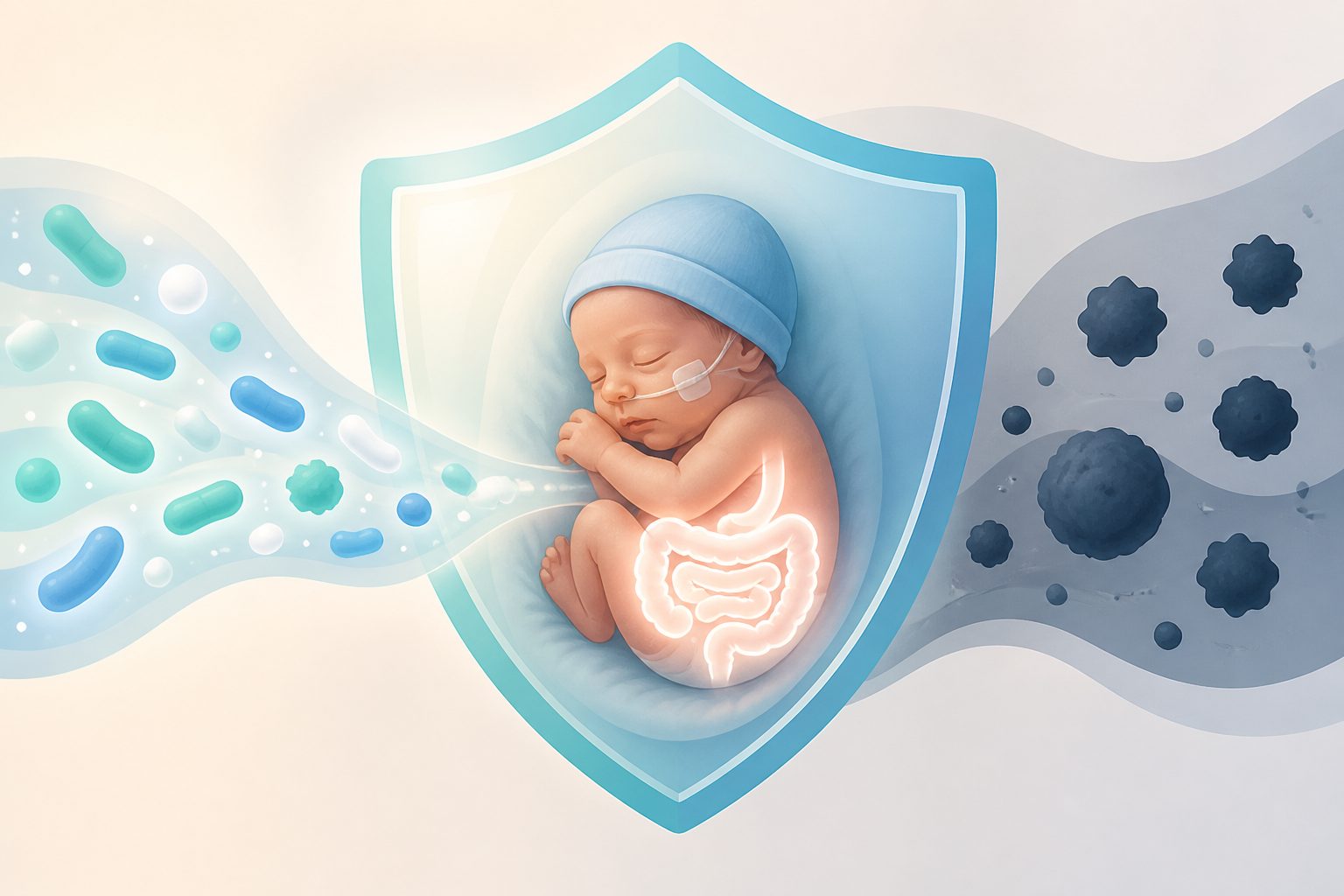
Researchers studied 4,695 very preterm infants in Sweden and compared outcomes among those who did and did not receive a three-strain probiotic supplement. Probiotic exposure was associated with lower rates of death and necrotizing enterocolitis, a serious intestinal disease, but was not clearly associated with culture-confirmed sepsis.
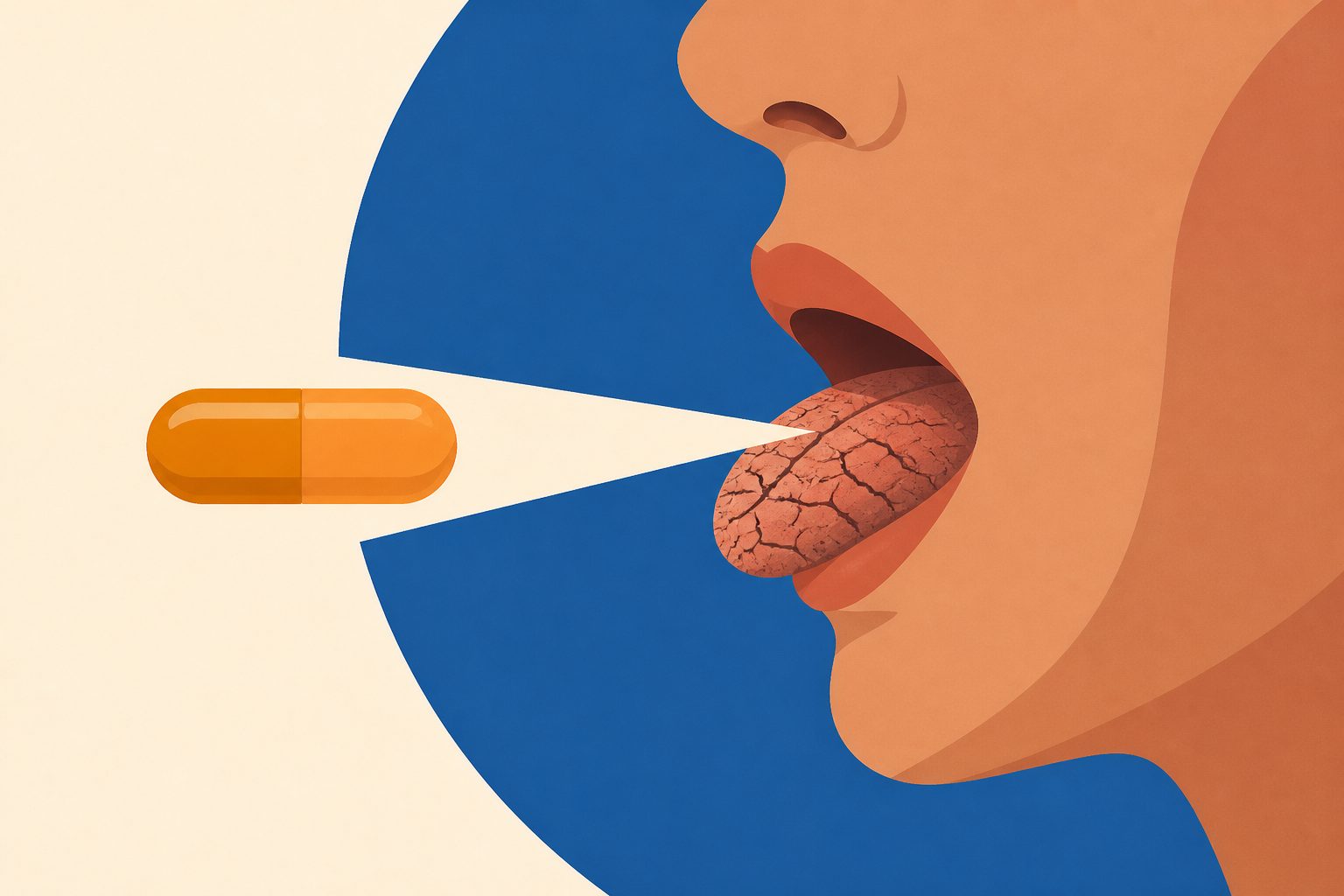
This narrative review examined research on oral effects reported in people taking systemic isotretinoin for acne. It found that reduced saliva, dry mouth, chapped lips, and other dryness-related symptoms were the most consistent findings, while evidence about cavities and gum health was less uniform.