Researchers report fewer opioid prescriptions after a practice-wide education effort
A one-time meeting and new procedure-specific protocols were followed by lower prescribing over one year at one private practice.
Low evidenceHuman studyInterpret with caution
Medical disclaimer: This article summarizes research findings and is for informational purposes only. It is not medical advice.
Editorial illustration — not from the study.
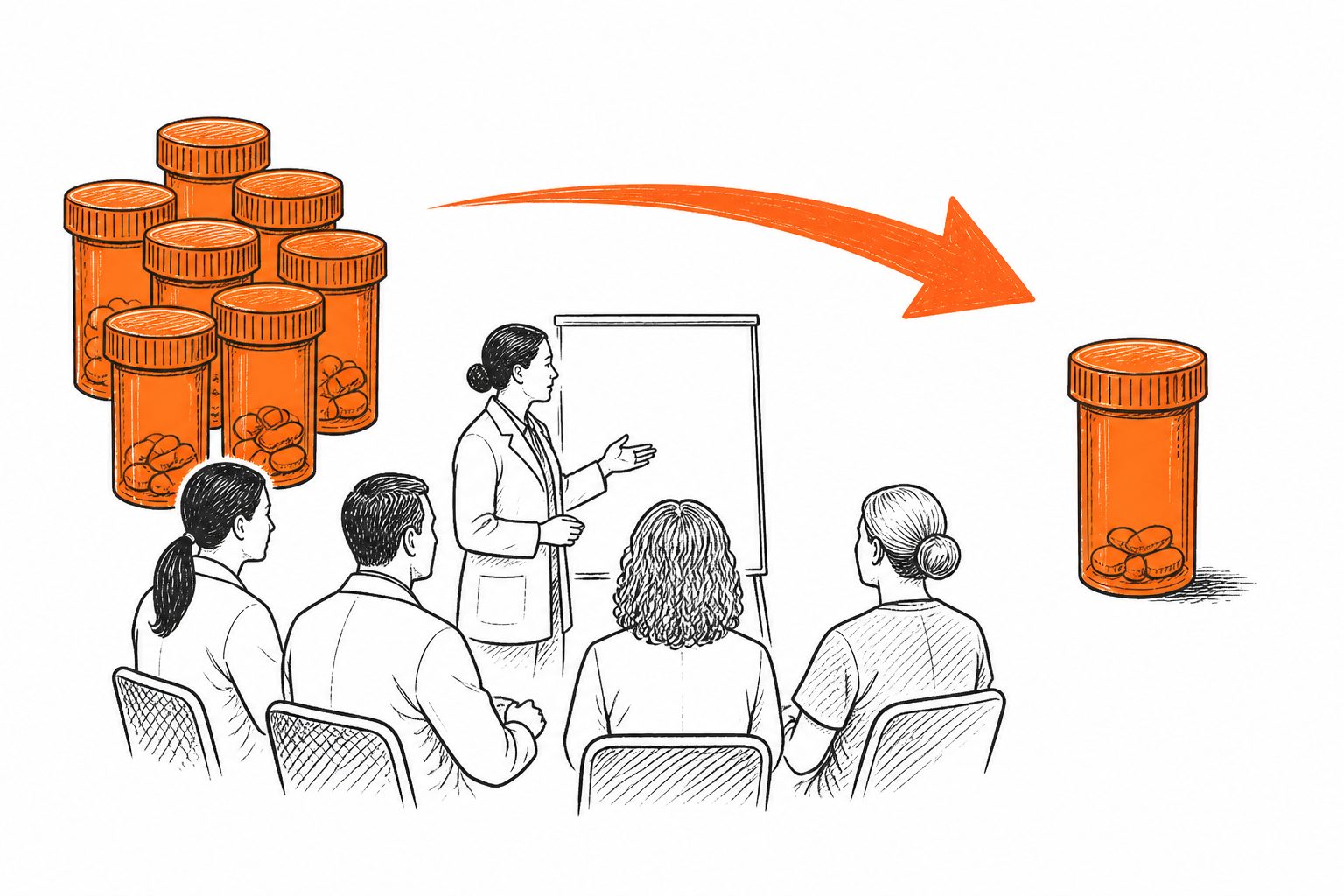
The project involved 33 surgeons and other licensed prescribers, representing 88% participation. Providers reviewed opioid-use information and research, then worked in specialty groups to create protocols covering discharge prescriptions, refills, and maximum duration for patients who had not previously used opioids.
Researchers compared prescribing during 10 months before the meeting with prescribing during the following year. Average monthly opioid amounts, the amount per prescription and patient, and the average number of prescriptions through 90 days after surgery all declined in the post-intervention period. The study did not report an increase in refill demand during that year.
What the study looked at
This human quality improvement project examined whether a brief, physician-led educational and consensus-building session was followed by changes in postoperative opioid prescribing. It took place at a private multi-specialty practice. Researchers compared 3,962 patients and 7,392 opioid prescriptions from December 2017 through September 2018 with 4,330 patients and 7,650 prescriptions from October 2018 through September 2019. The intervention included a two-hour Journal Club, review of opioid-use research, and specialty-specific protocol development for opioid-naive surgical patients.
Key observations
The researchers reported lower prescribing measures after the intervention. Mean monthly morphine-equivalent amounts declined from 334,637 before the intervention to 233,913 afterward. Mean morphine equivalents per prescription declined from 451 to 350, and mean morphine equivalents per patient declined from 834 to 626. The mean number of opioid prescriptions through 90 days after surgery declined from 1.86 to 1.77. The abstract reports statistical significance for these comparisons, with p values below 0.001 for the first three measures and 0.0108 for prescription count. Because this was a before-and-after study without a comparison practice or randomized assignment, these changes are associated with the intervention period but are not proof that the meeting and protocols caused them.
Who this may apply to
These findings may be most relevant to surgical practices with similar specialties, provider participation, patient populations, and prescribing systems. They do not show that the same results would occur in other hospitals, practices, procedures, or patient groups, and they do not provide evidence about individual treatment decisions or patient outcomes.
Why this matters
The findings suggest that a practice-wide discussion and agreement on procedure-specific prescribing may be associated with lower opioid amounts and fewer prescriptions in a real-world surgical practice. They also suggest that the reduction was not accompanied by a reported increase in refill demand during the one-year follow-up. However, the results mainly describe one practice and do not establish how well the approach would work in other settings or whether patient pain control, recovery, adverse effects, or satisfaction changed.
Limitations & evidence assessment
The study was conducted at only one private practice and did not include random assignment or a separate control group. Changes over time, differences in patients or procedures, other prescribing policies, or broader changes in opioid use could have contributed to the results. The abstract provides limited information about patient characteristics, the specific operations involved, actual medication use, pain outcomes, adverse effects, and whether prescriptions were filled or taken. Follow-up lasted one year after the intervention, so longer-term effects are unknown.
Why this evidence level: This was a quality improvement comparison of prescribing before and after an intervention at one private, multi-specialty practice, without a randomized control group. The findings are relevant to that practice but cannot establish that the intervention alone caused the changes or that they apply broadly.
Evidence levels are editorial estimates derived from study metadata — they are not clinical appraisals.
This review examined human clinical evidence about GLP-1 receptor agonists and neovascular age-related macular degeneration, sometimes called wet age-related macular degeneration, in people with type 2 diabetes. The reviewed studies had conflicting results: one reported higher risk, another lower risk, and two large comparisons found no significant increase. The evidence is observational and does not show that these medicines cause or prevent the eye condition.
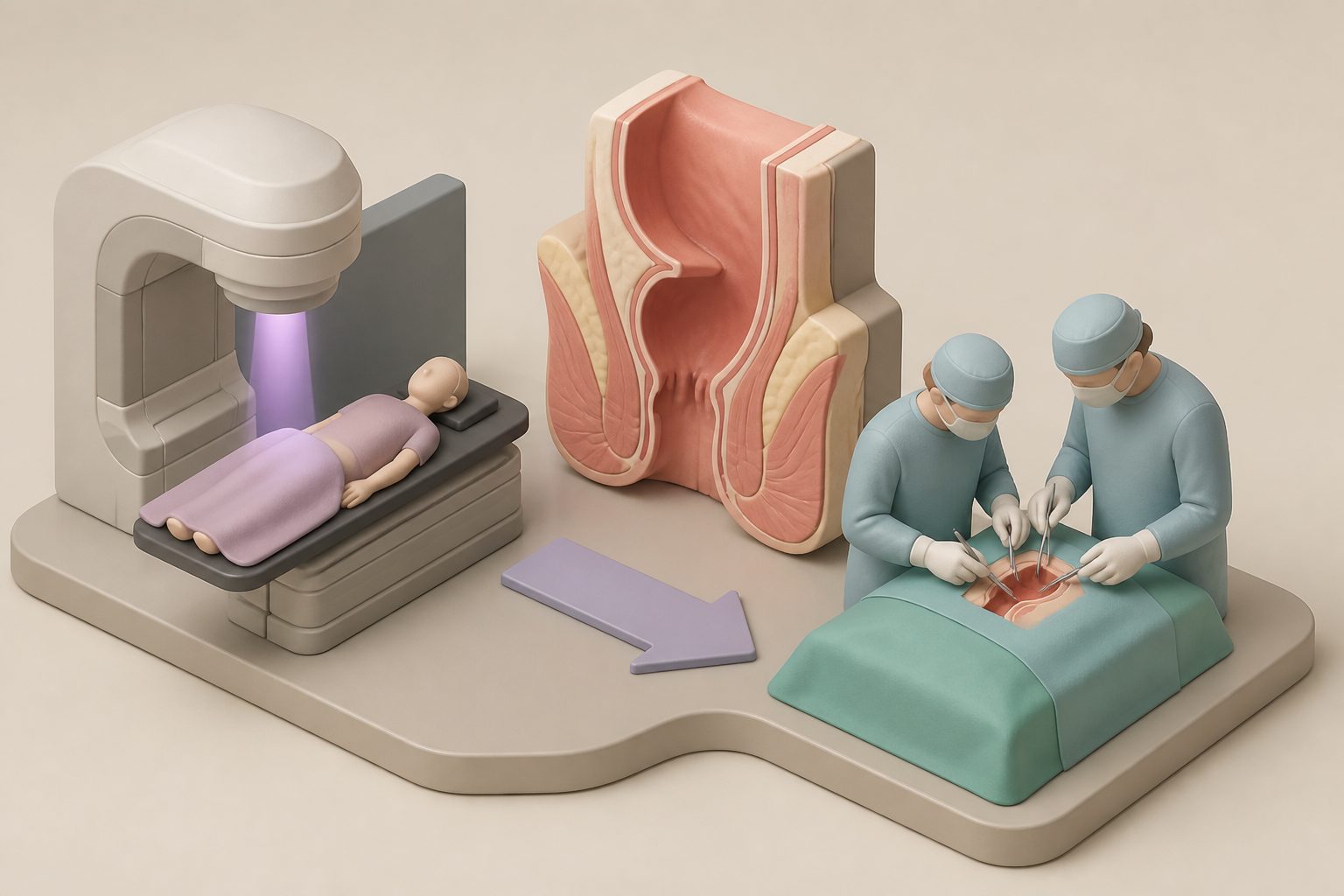
A prospective, multicenter phase II trial examined whether removing only the treated tumor area through the anus could preserve the rectum in people with locally advanced rectal cancer who responded well to chemoradiotherapy. Among 80 participants, three-year disease-free survival was 84.8%, and local recurrence occurred in 5.0% during the reported follow-up. Because everyone received local excision and there was no comparison group, the findings do not establish that this approach is as effective as more extensive surgery.
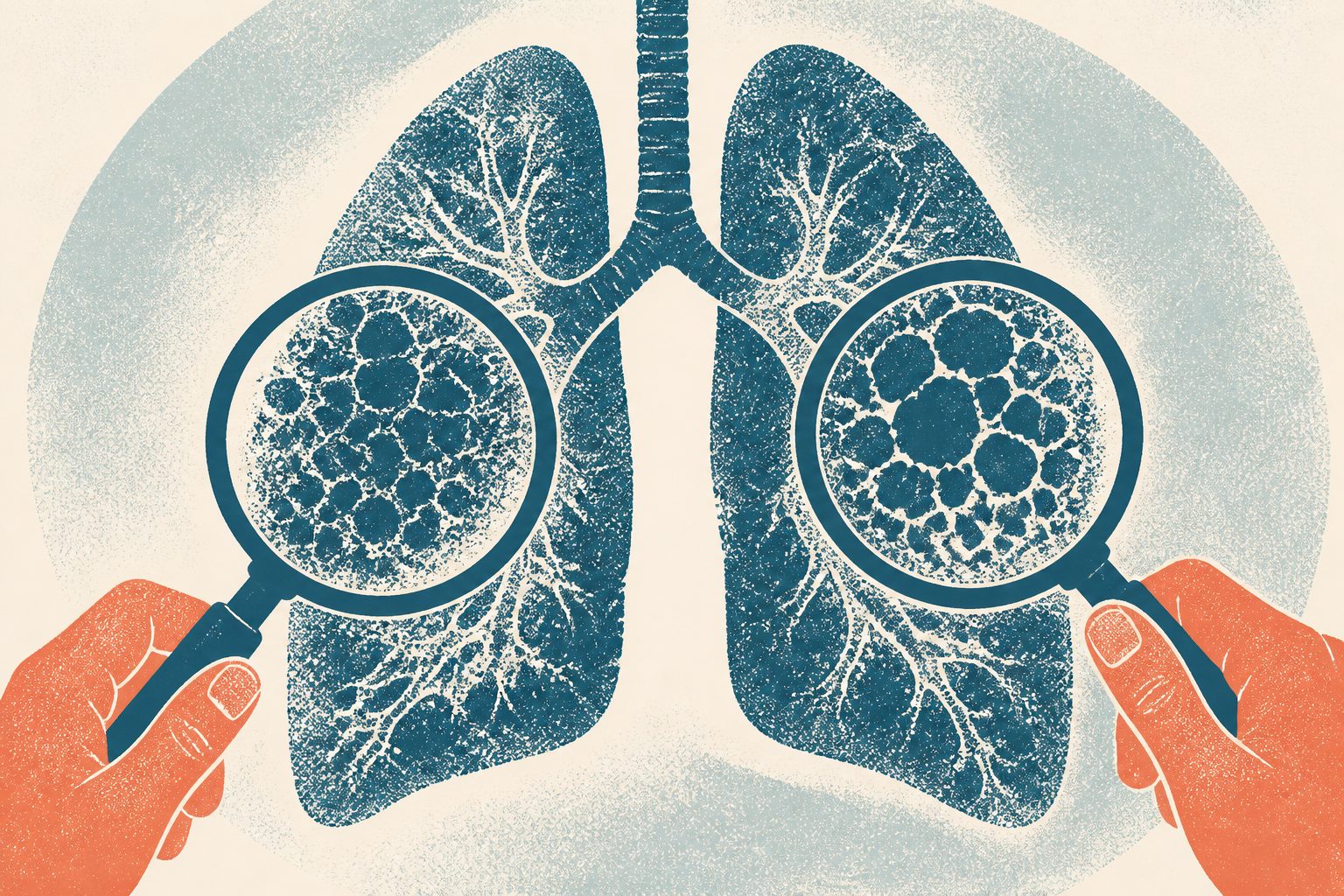
This retrospective human study compared a visual CT scoring method with an automated computer analysis for tracking fibrosing interstitial lung disease. Among 92 people followed with CT scans and lung-function tests, both approaches were associated with changes in lung function and signs of disease progression. The study does not show that either method improves treatment or patient outcomes.