A modified native gut bacterium released an immune signal that improved glucose control and reduced liver fat in a mouse disease model.
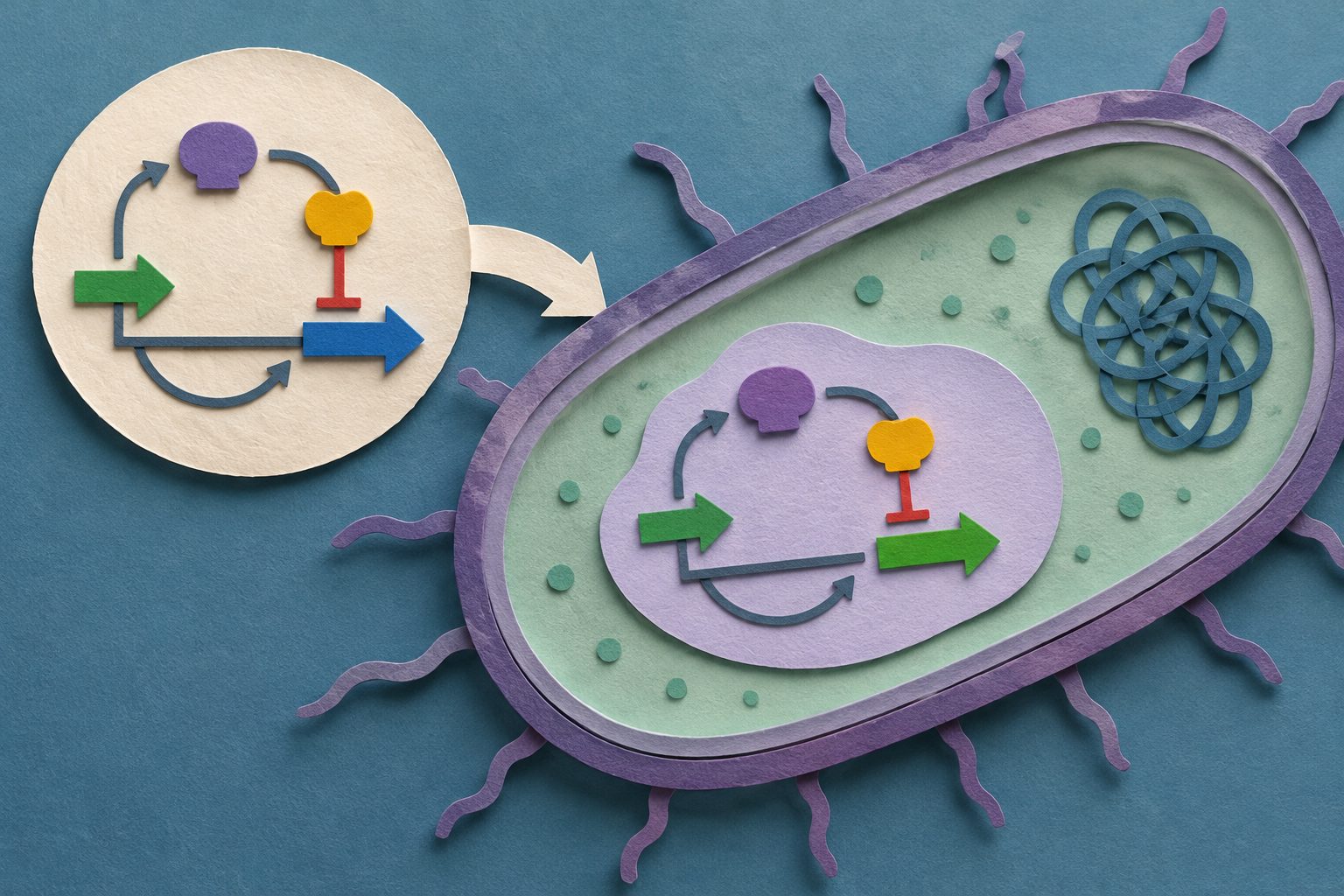
The team created a toolkit for modifying Lachnospiraceae, a widespread family of oxygen-sensitive gut bacteria that has been difficult to engineer. The toolkit includes systems for turning genes on continuously or in response to signals, inserting genes into bacterial chromosomes and releasing proteins from the cells.
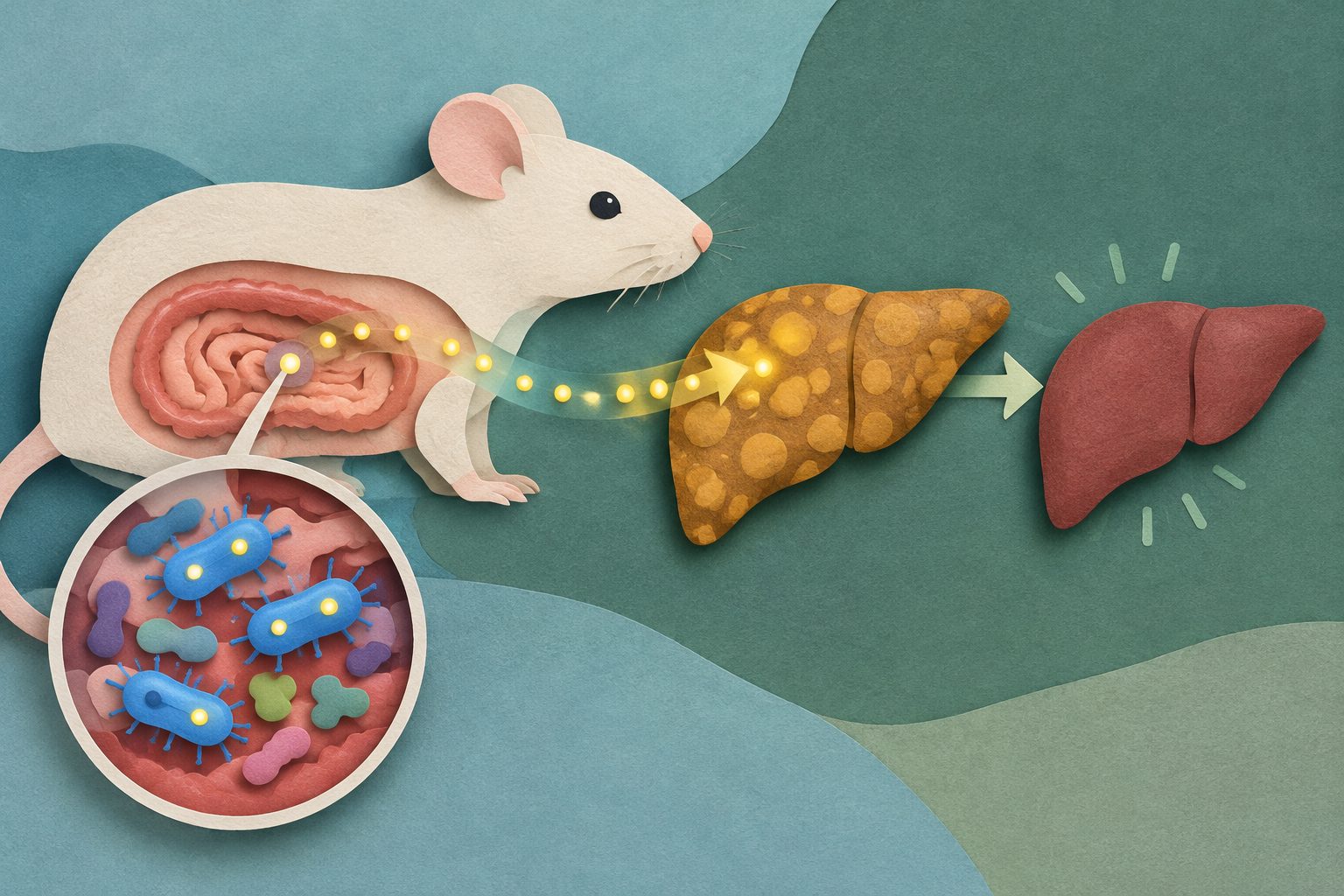
Using the gut bacterium Coprococcus comes, the researchers programmed the microbes to release the immune signal interleukin-22 in the intestines of mice. The signal activated gene programs involved in the gut lining’s defenses. In mice with metabolic dysfunction-associated fatty liver disease, the engineered bacteria improved glucose control, reduced bacterial toxins in the bloodstream and lessened fat buildup in the liver.
What the bacteria delivered
The researchers engineered Lachnospiraceae bacteria with systems for controlled gene activity, stable gene insertion and protein secretion. They used these tools to make Coprococcus comes release interleukin-22 in the mouse gut.
The released signal activated gene programs linked to intestinal defenses. In a mouse model of metabolic dysfunction-associated fatty liver disease, the engineered bacteria improved glucose homeostasis, reduced systemic endotoxemia—bacterial toxins circulating in the bloodstream—and attenuated hepatic steatosis, or excess fat in the liver.
Why native gut bacteria matter
Lachnospiraceae are common native members of the human gut microbiome, but many have been difficult to modify genetically. The study shows that at least one member of this family can be programmed to deliver a biologically active signal inside the gut while changing measures of metabolism and liver disease in mice.
The toolkit could support further research on how specific gut-bacterial activities affect the immune system and metabolism, as well as the development of engineered bacterial therapies based on native gut microbes.
// Source
Nature Microbiology · 2026 · DOI: 10.1038/s41564-026-02527-9
Authors: Jack H. Arnold, Sandra McClure, Joshua Glazier, Sadiksha Shakya, Zachary Jansen, Recep Erdem Ahan, David Villegas, Tracy Leidan Chen, Jay Fuerte-Stone, Rory McGann, Mark Mimee
Institutions: University of Chicago, Bilkent University, National Nanotechnology Research Center