Higher tested concentrations reduced onion growth and were linked to oxidative stress, genetic damage and changes in plant tissues.
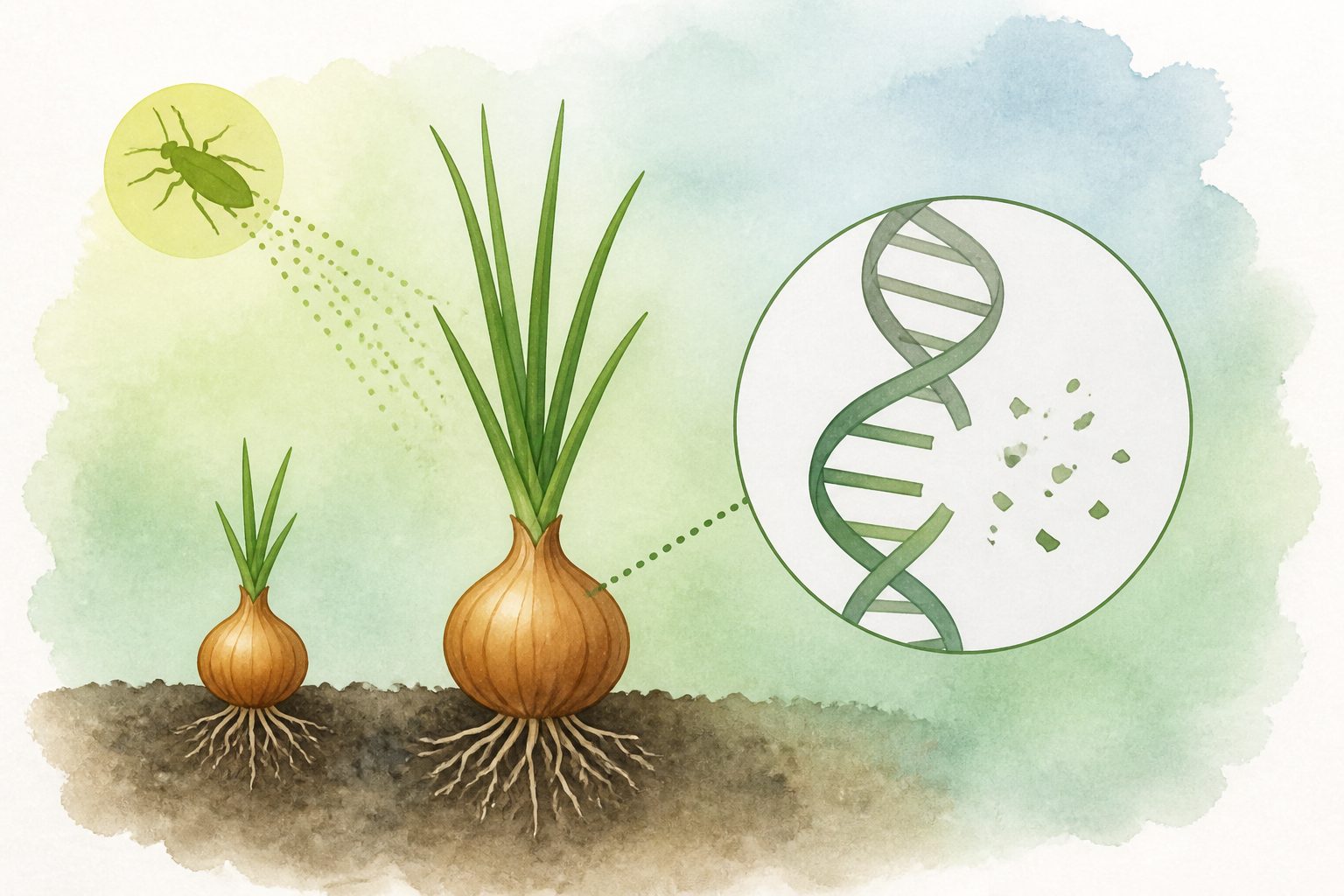
A study of onion plants found that exposure to the insecticide clothianidin reduced germination, root growth and weight gain. The effects increased with the tested concentration, while cell division and photosynthetic pigments declined.
The exposed plants also showed more DNA and chromosome damage, signs of oxidative stress and changes to tissues including the epidermis, cortex and vascular tissue. The researchers say the results point to connected effects involving cell damage and oxidative stress.
Effects on onion plants
Clothianidin exposure produced dose-dependent effects in Allium cepa. Germination fell from 100% in the control group to 60%, root elongation declined from 9.66 to 2.45 centimeters, and weight gain dropped from 9.10 to 3.40 grams. The mitotic index, a measure of cells undergoing division, fell from 8.82% to 6.35% at the highest concentration.
Micronuclei and chromosome abnormalities became more frequent, including sticky and wandering chromosomes, chromosome fragments and uneven distribution of genetic material. Tail DNA, a measure used in the study to indicate DNA damage, increased from 3.30% in controls to 60.2% at the highest concentration.
The plants also showed biochemical signs of oxidative stress. Malondialdehyde increased from 2.13 to 10.6 micromoles per gram of fresh weight. Activity of the antioxidant enzymes superoxide dismutase and catalase also increased, from 53.1 to 125 units per milligram of fresh weight and from 0.47 to 1.17 optical-density units per minute per gram of fresh weight, respectively. Chlorophyll a fell by 60% and chlorophyll b by 68%. Tissue examinations found dose-dependent damage to epidermal and cortical cells, flattened nuclei and thickening of vascular tissue.
Evidence and caveats
This was an experimental study in Allium cepa, commonly known as the onion, using clothianidin concentrations of 0.10, 0.67 and 20.0 micrograms per liter. Researchers assessed growth, cell division, chromosome changes, DNA damage, oxidative stress, photosynthetic pigments and tissue structure. The findings show effects under the tested conditions, but the abstract does not establish how these results translate to clothianidin exposure in field-grown plants or other species. It also identifies the need for further studies of the biological mechanisms involved.
// Source
Scientific Reports · 2026 · DOI: 10.1038/s41598-026-67159-9
Authors: Hüseyin Yılmaz, Emine Yalçın, Kültiğin Çavuşoğlu
Institutions: Giresun University