
The Foresail-2 mission faces demanding control tasks, including keeping its spin axis pointed toward the Sun and working with a tether-assisted system to lower its orbit. These tasks are especially challenging in the spacecraft’s planned geostationary transfer orbit, where conventional propulsion systems are ineffective, according to the paper.
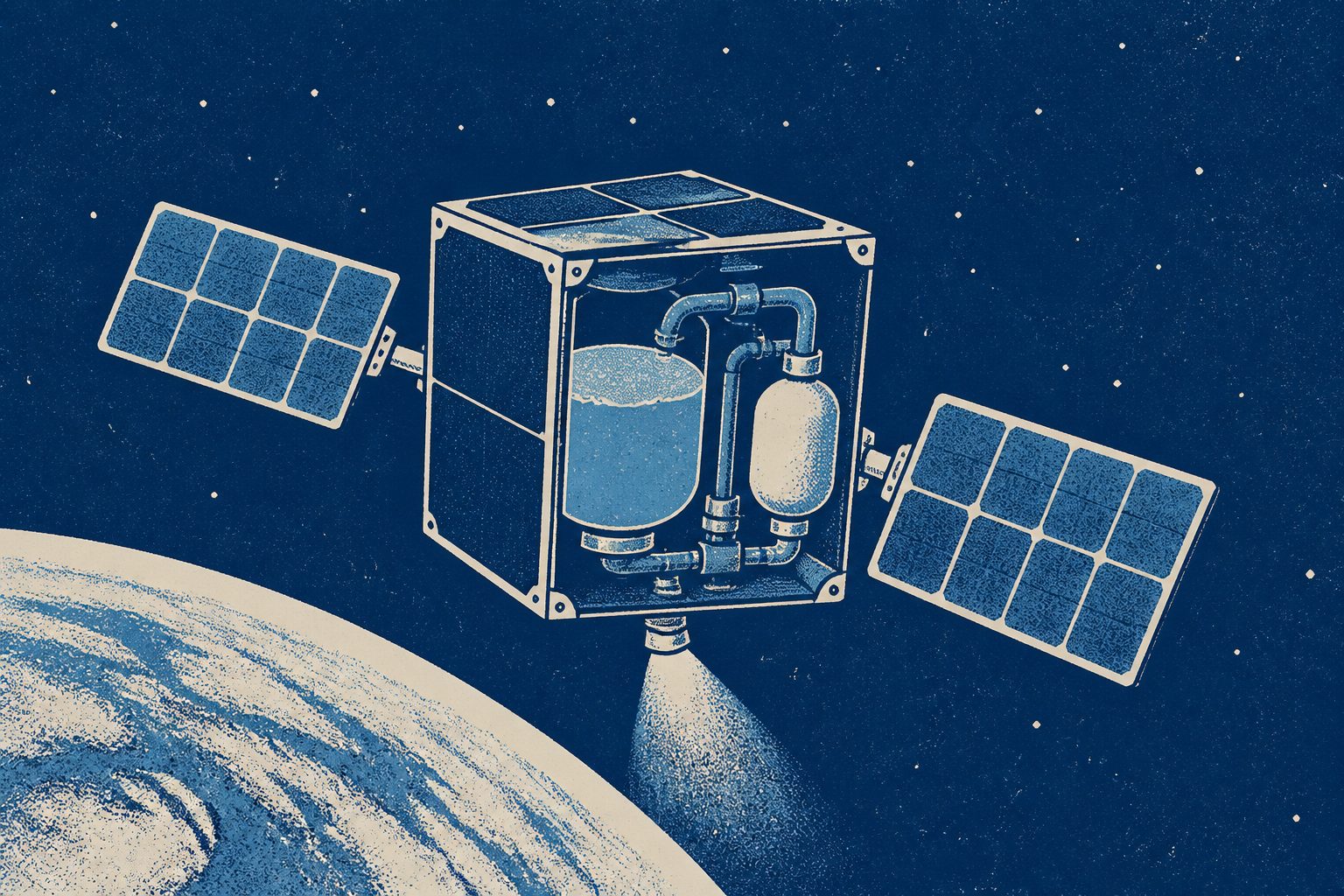
The researchers analyzed a Water Electrolysis Propulsion system that would produce hydrogen and oxygen from stored water. Their analysis covers the system’s design, integration and performance, and finds that it could provide high-efficiency propulsion, compact storage and lower power demands while supporting precise control and de-orbiting.


