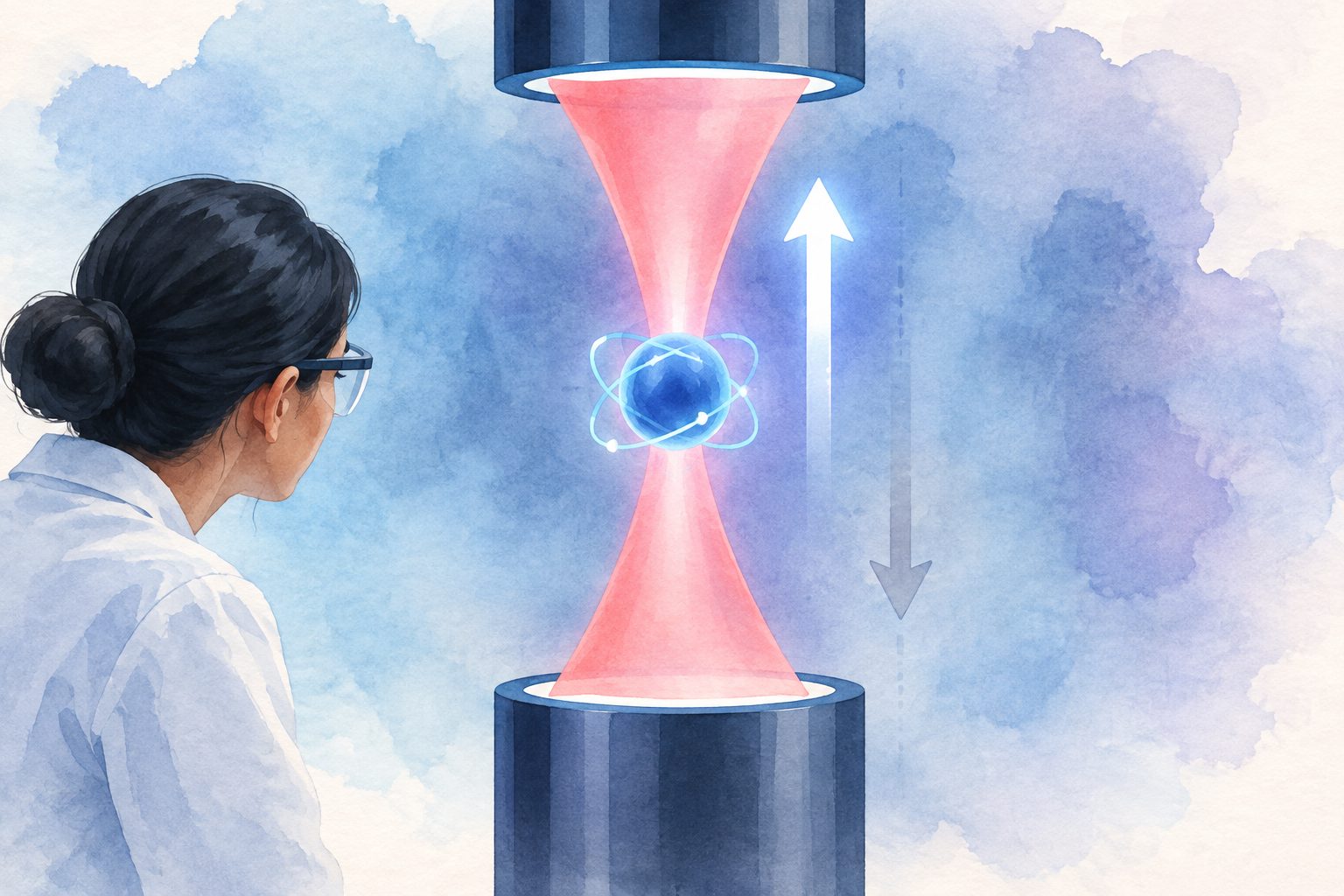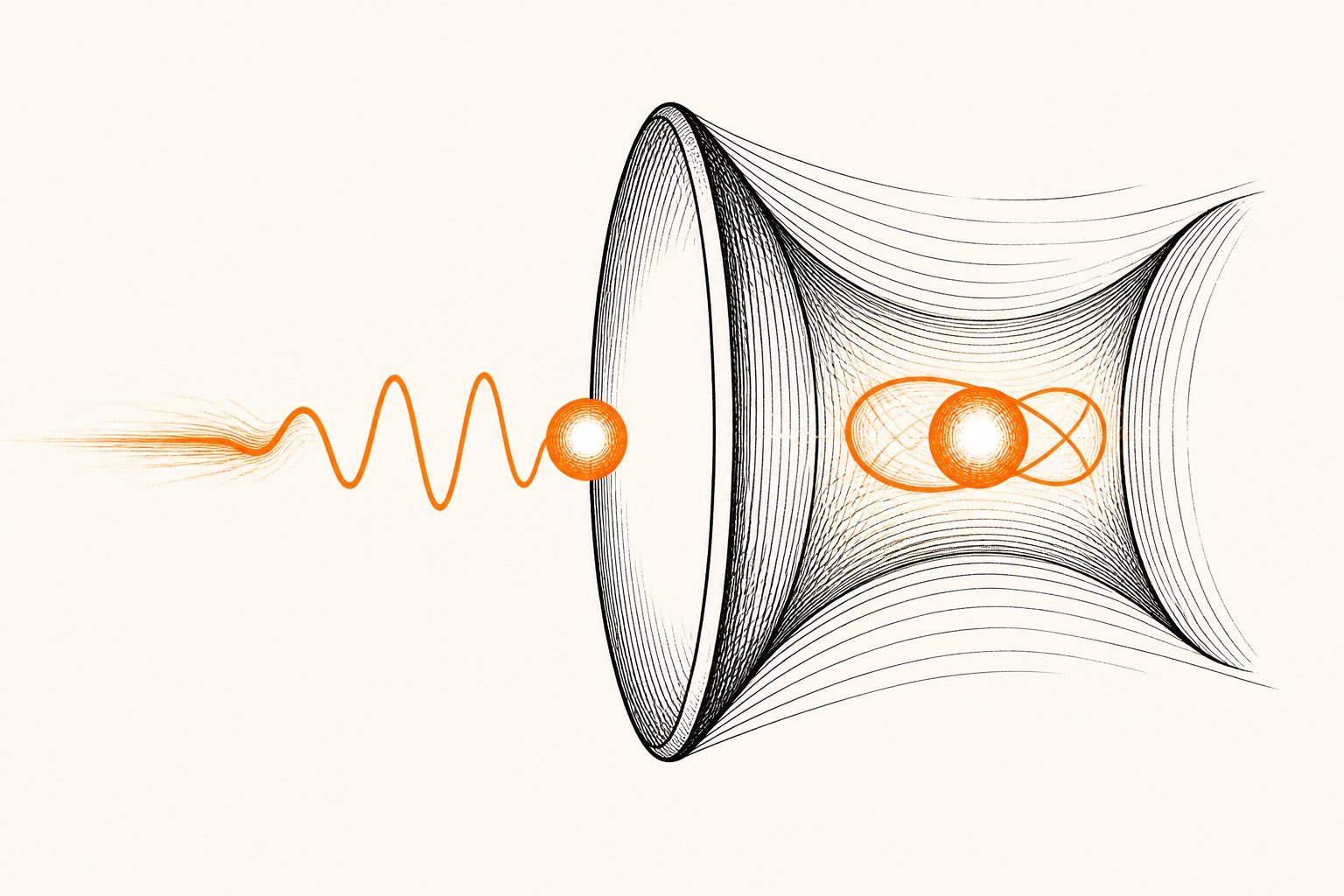
The study examines a moving step in refractive index that acts as a time-based cavity. Unlike conventional cavities, the trapped light could have a high quality factor without being restricted to very narrow spectral lines, according to the authors. The system can also support a tunable, nonreciprocal connection to the outside, meaning the flow of energy into the trap and back out need not be balanced.
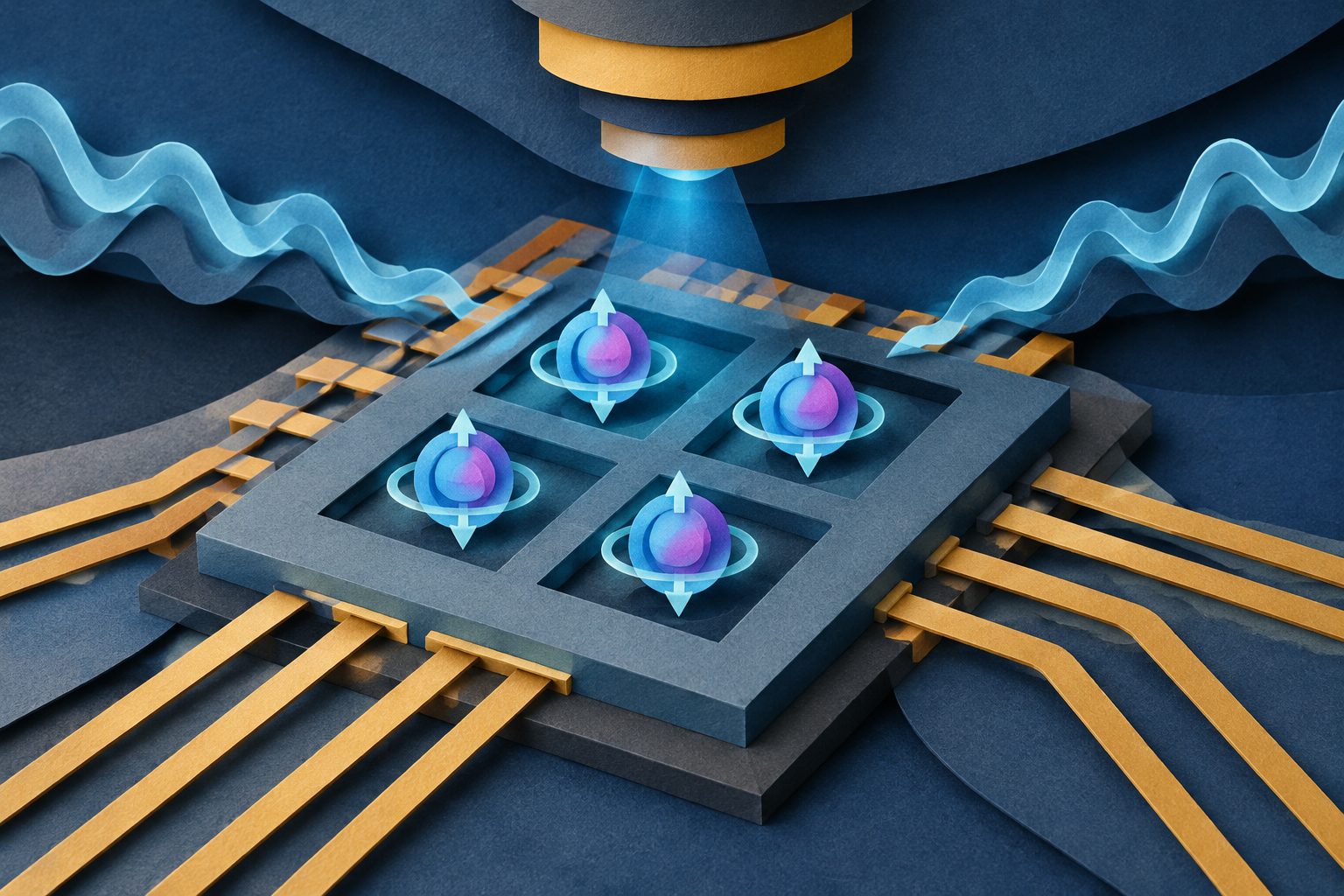
The authors describe unusual effects including halo states and very large delays during transmission. Interference between light modes trapped in time could be used to alter the spectral and temporal shape of weak wave packets, including single photons, as well as to support pulse compression, energy storage and frequency conversion.