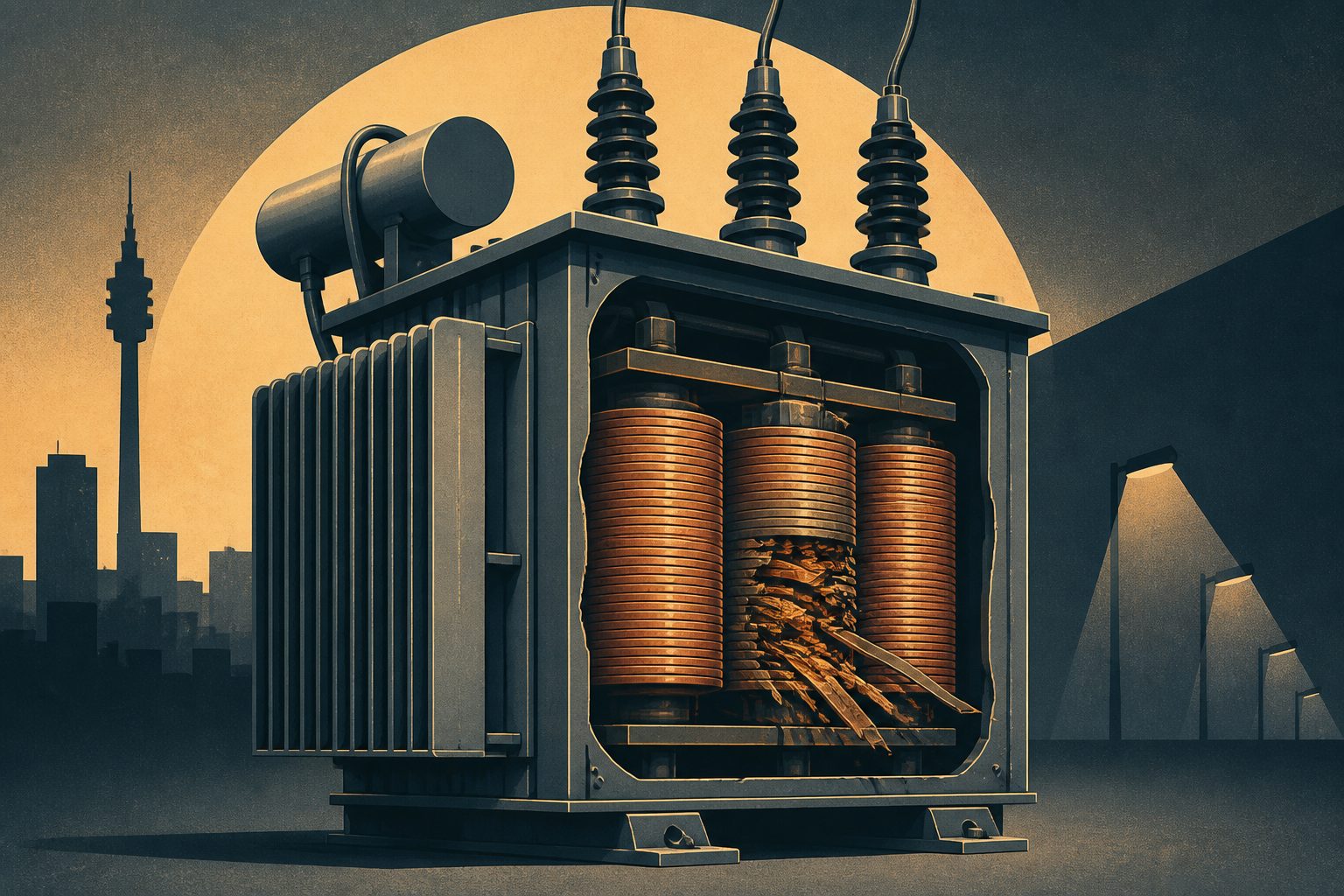
A systematic review of transformer failure data since 2015 finds winding breakdowns as the leading cause, with other common culprits including tap changers and tank problems.
In a systematic literature review using a PRISMA framework, researchers examined consolidated transformer failure data from 2015 to the present, focusing on premature failures and, in particular, winding breakdown. The goal was to connect what is known from existing research to practical needs for more reliable, grid-connected transformer design under stress.
The review reports that windings account for 41% of failures, followed by tap changers (22%) and main tank failures (16%), among other categories. It also describes proposed knowledge-based technologies for diagnosing faults, but concludes that evidence for practical viability and large-scale implementation remains limited and calls for closer collaboration between academic research and utility practice.
Common failure causes
Across 2015 to the present failure data reviewed, the most common causes of power transformer failure were windings (41%), tap changers (22%), main tank failures (16%), bushings (15%), and core-related issues (4%). The review also reports that several studies propose knowledge-based fault-diagnosis technologies, but that the evidence base on whether these approaches are practical and can be implemented widely is limited.
// Source
Electrical Engineering · 2026 · DOI: 10.1007/s00202-026-03676-0
Authors: M. K. Ngwenyama, M. B. Moketla, M. N. Gitau
Institutions: Eskom (South Africa), University of Pretoria