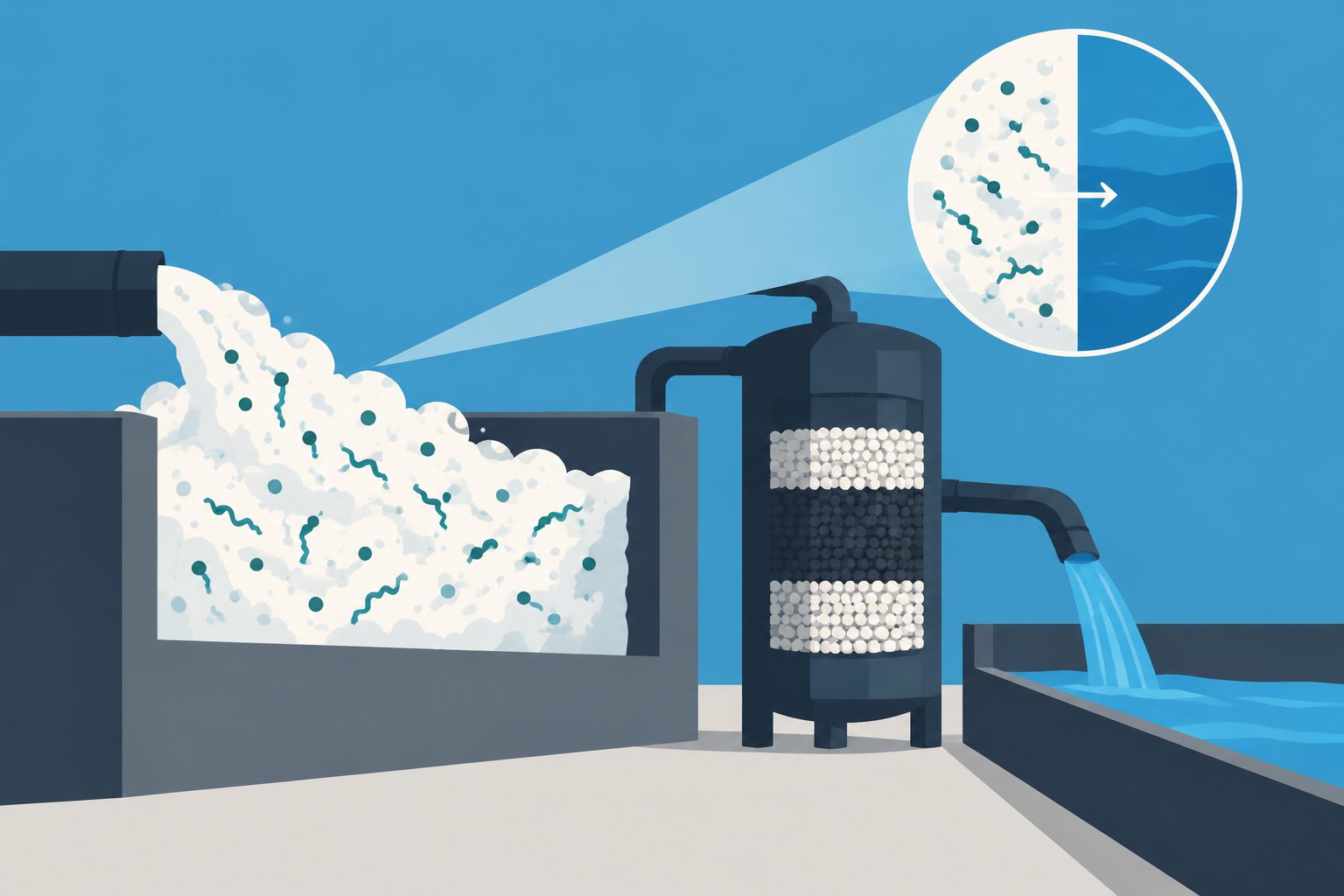
Researchers measured 36 chemical elements in six fish species, three shrimp species and one stingray species sold in the Sepetiba Bay region of Rio de Janeiro. They found that element buildup varied by species and organ, with the highest levels generally in internal organs rather than muscle.
Climate & Environment2 months ago
Some seafood from Brazil’s Sepetiba Bay exceeded arsenic reference levels
Mean arsenic concentrations in the edible muscle of four studied species were above regulatory reference values, while a fifth reached the reference value.
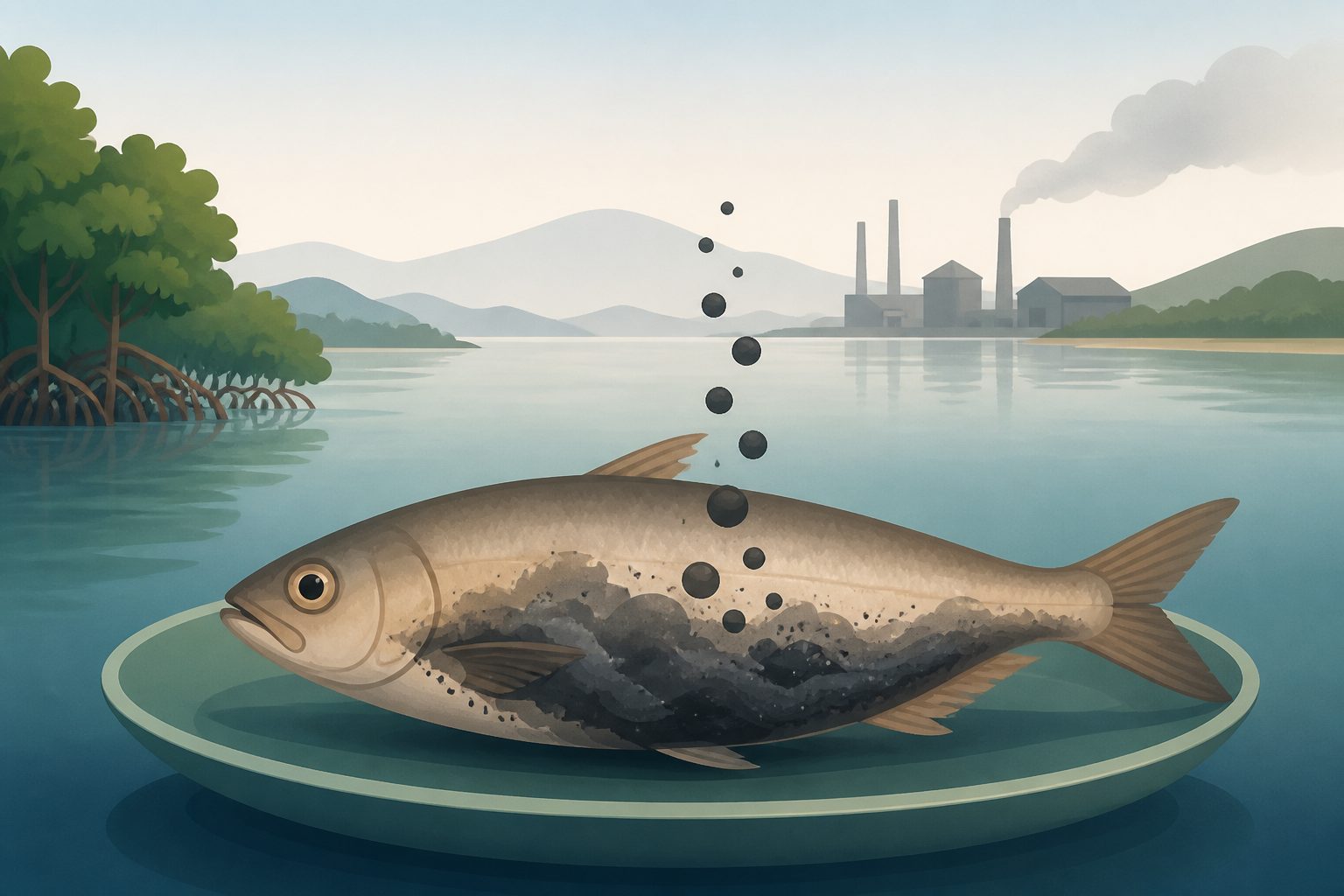
Arsenic in seafood muscle
The researchers analyzed six fish species—croaker, acoupa weakfish, smooth weakfish, common snook, horse-eye jack and lebranche mullet—along with pink shrimp, seven-bearded shrimp, brown shrimp and a stingray. They measured 36 chemical elements in organs from three individuals of each species.
Element accumulation followed different patterns across animals. In fish, concentrations generally ranked liver, gills, gonads and then muscle. In shrimp, the order was cephalothorax, exoskeleton and muscle. Statistical analyses found recurring covariation among arsenic, cadmium, copper, lead, nickel, selenium and zinc.
On a wet-weight basis, mean total arsenic in muscle exceeded the applicable regulatory reference value in stingray, pink shrimp, croaker and seven-bearded shrimp. Acoupa weakfish reached the reference value. The study reports these species–element combinations as relevant to dietary exposure.
Why the findings matter
Seafood from the Sepetiba Bay region is consumed by people, so concentrations above applicable regulatory reference values are relevant to food-safety monitoring. The results also show why assessments need to consider both the species and the organ tested: element levels were not uniform across the animals, and the highest concentrations in fish and shrimp were generally found outside the muscle.
Evidence and caveats
The study measured 36 chemical elements in different organs from three individuals of each of 10 seafood species collected from the Sepetiba Bay region, using inductively coupled plasma mass spectrometry. The small number of individuals per species limits how broadly the results can be generalized. The measurements show concentrations and potential dietary relevance, but they do not establish health effects in people or identify the sources of the elements.
// Source
Marine Pollution Bulletin · 2026 · DOI: 10.1016/j.marpolbul.2026.120254
Authors: Gerald F. Reis, Maria Virgínia Alves Martins, Carla Patinha, Pedro Pato, Cassio Silva, Rubens César Lopes Figueira, Eduardo Ferreira da Silva, Fernando Tavares Rocha
Institutions: University of Aveiro, Universidade do Estado do Rio de Janeiro, Instituto Oceanográfico de la Armada del Ecuador, Serviço Geológico do Brasil - CPRM