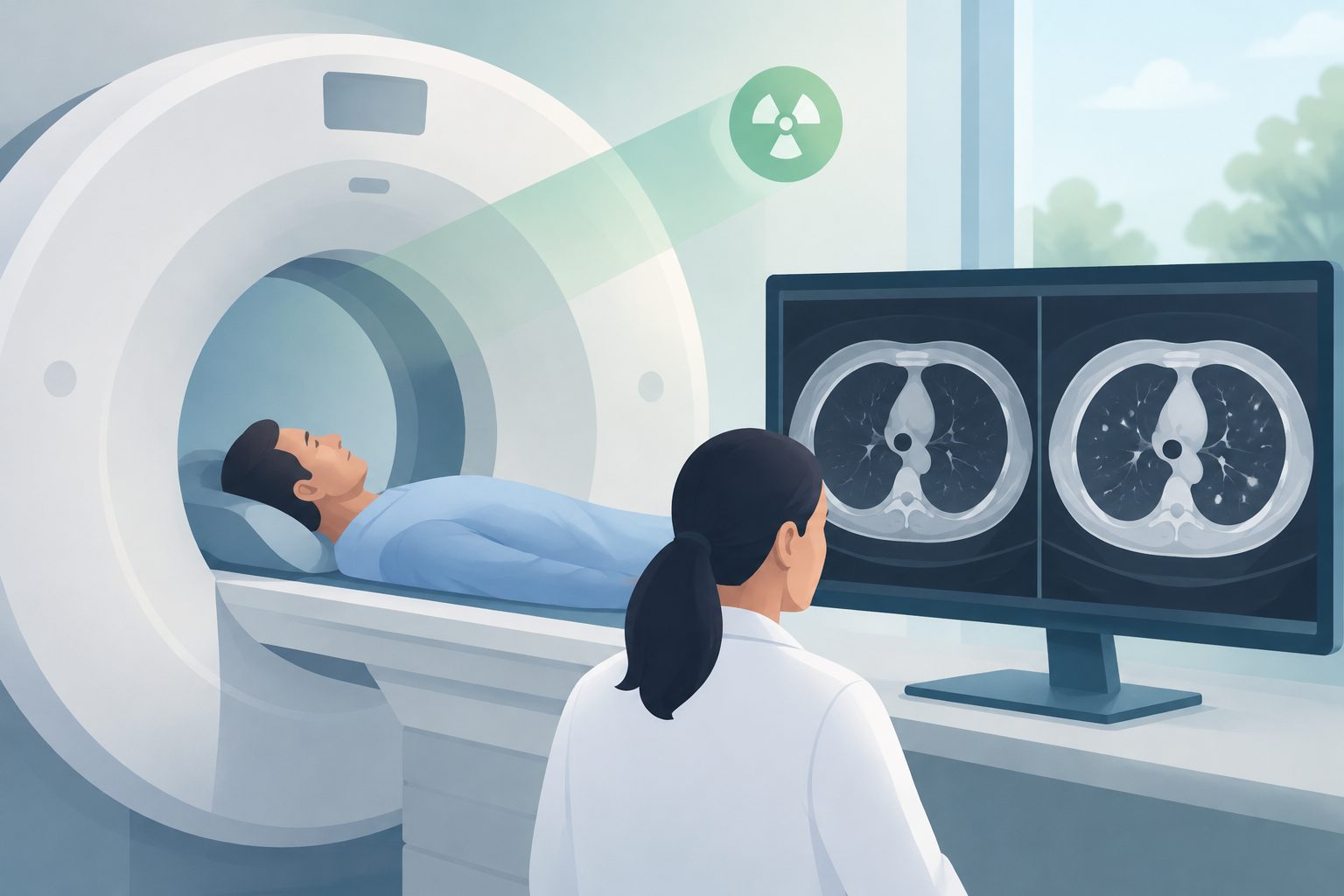
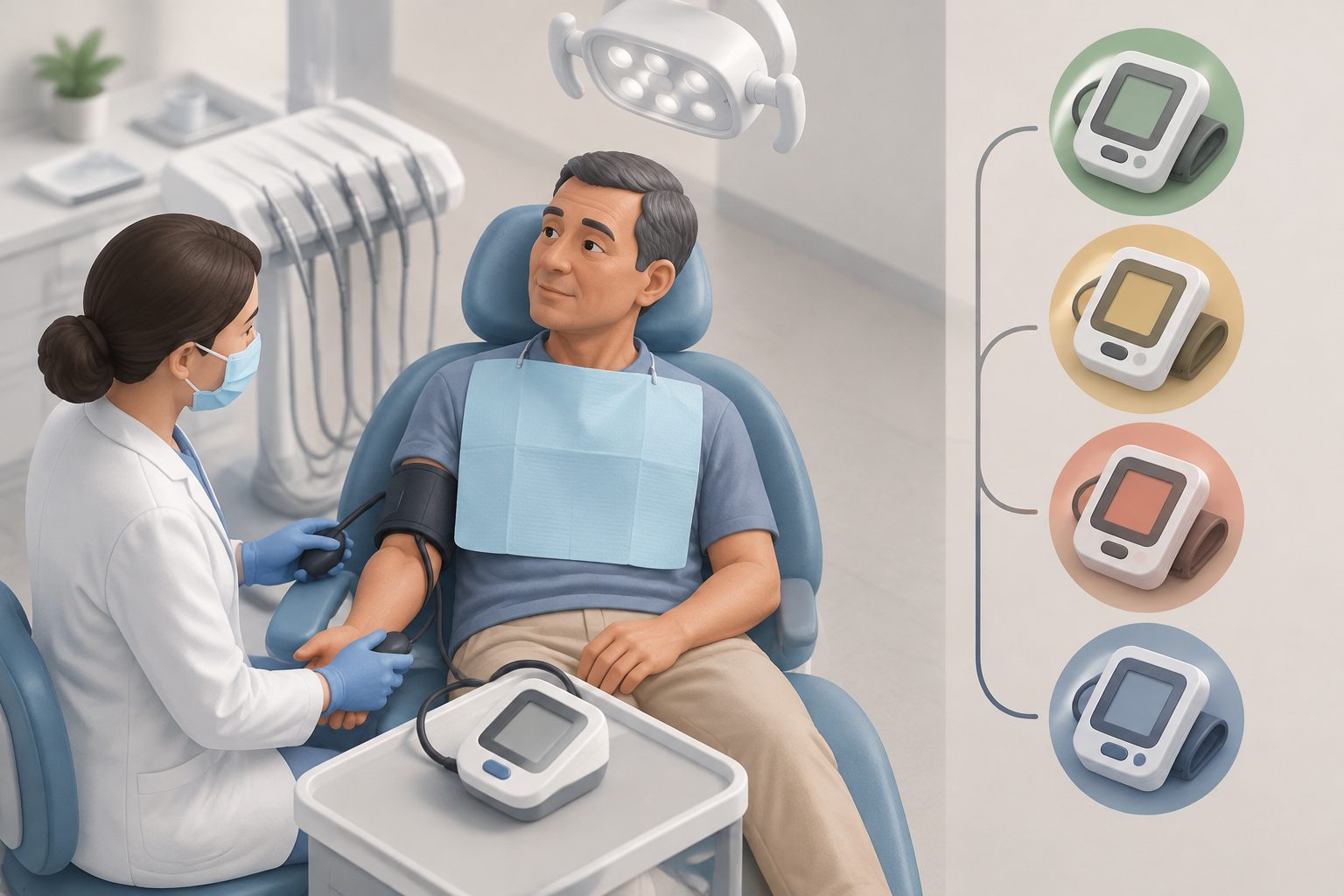
Researchers combined findings from 13 studies that measured blood pressure in dental settings among people known to have hypertension or currently taking blood-pressure medicine. The pooled estimate was 53.7%, but the range of results expected in a similar future setting was much wider, from 13.6% to 89.6%.
Health & Medicine3 weeks ago
Review finds widely varying blood pressure levels in dental patients with hypertension
Across 13 studies, about half had dental-office readings above the study-defined uncontrolled threshold, but results differed greatly between settings.
Very low evidenceReviewInterpret with caution
Medical disclaimer: This article summarizes research findings and is for informational purposes only. It is not medical advice.
What the review examined
The researchers asked how often dental-office blood pressure met a study-defined threshold for uncontrolled hypertension among people with a prior diagnosis of hypertension or current antihypertensive treatment. They searched 10 databases and registers through May 27, 2026, and included 13 human studies involving 1,083 people from 10 countries. Two reviewers independently selected studies, extracted information, and assessed study quality using a checklist for prevalence studies. The results were combined with a random-effects meta-analysis.
Key conclusions
The pooled prevalence of dental-office blood pressure meeting the uncontrolled threshold was 53.7%, with a 95% confidence interval of 39.6% to 67.3%. Between-study variation was considerable: the I² statistic was 94%, and the 95% prediction interval was 13.6% to 89.6%. Estimates were 56.5% when hypertension was identified through prior diagnosis or medical history and 48.6% among people identified through current antihypertensive treatment; the difference was not statistically significant, but the small number of studies does not establish that the groups were equivalent. Results were similar in sensitivity analyses excluding individual studies or higher-risk studies, and there was no statistical evidence of small-study asymmetry. These findings describe associations and prevalence patterns; they do not show that dental visits cause changes in blood pressure or that a single dental reading confirms uncontrolled hypertension.
Who this may apply to
The findings may be relevant to people with diagnosed or treated hypertension who have blood pressure measured in dental settings, particularly in settings similar to those represented by the 13 included studies. They should not be assumed to apply to people without diagnosed or treated hypertension, to every country or dental practice, or to home or clinical blood-pressure measurements. The review provides a pooled estimate for groups, not a determination of any individual person's blood-pressure status.
Why it matters
Dental settings may identify people whose blood pressure is above a threshold used for uncontrolled hypertension and could represent one part of the wider hypertension-care process. However, the large differences between studies mean that the pooled figure should not be treated as a reliable estimate for every dental practice or population. A single elevated dental-office reading is not, by itself, confirmation of uncontrolled hypertension, according to the study authors.
Limitations & evidence assessment
Only 13 studies and 1,083 participants were included, and the studies came from different countries and settings. The very high heterogeneity means their results differed substantially, and the prediction interval was wide. The analysis was based on prevalence studies rather than randomized experiments, so it cannot establish causes or determine whether dental-office readings reflect a person's usual blood pressure. The abstract provides limited detail about differences in measurement procedures, participant characteristics, and the thresholds used across individual studies. The authors rated the overall certainty of evidence as very low.
Why this evidence level: This meta-analysis combined results from human prevalence studies, but it included only 13 studies and found substantial differences between them. The authors rated the overall certainty of the evidence as very low, so the pooled estimate is uncertain.
Evidence levels are editorial estimates derived from study metadata — they are not clinical appraisals.
// Source
Cardiovascular Prevention and Pharmacotherapy · 2026 · DOI: 10.36011/cpp.2026.8.e13
Authors: M. Jaideep Rao, Yamini Satya Nidadavolu
Institutions: MNR Medical College and Hospital