Review examines urinary leakage during sex in women and how it may have different causes
Researchers describe underdiagnosis, possible mechanisms, and challenges in finding the right evaluation approach.
Moderate evidenceReviewInterpret with caution
Medical disclaimer: This article summarizes research findings and is for informational purposes only. It is not medical advice.
Editorial illustration — not from the study.
The review highlights that urinary leakage during vaginal penetration or orgasm is often not discussed with clinicians. The authors suggest stigma, emotional distress, and impact on intimate relationships may contribute to underreporting, making targeted questions during urogynecological evaluation potentially important.
It also outlines distinct, proposed physiological pathways depending on when leakage occurs. Leakage during penetration is more often associated (in the reviewed literature) with mechanisms related to stress urinary incontinence, urethral hypermobility, and pelvic support defects. Orgasm-associated leakage is described as being more closely connected to detrusor overactivity and more complex pelvic neurophysiological mechanisms. The review further notes that peri- and postmenopausal hormonal changes may contribute to symptom progression.
What the review covered
The review examined the question of what is known about urinary leakage during sexual activity in women, how it is defined as an underdiagnosed pelvic floor condition, and how underlying mechanisms may differ based on the timing of leakage (during vaginal penetration versus during orgasm). It discusses clinical evaluation challenges and summarizes reported associations between symptoms and possible pathophysiology, including potential roles for peri-/postmenopausal hormonal changes.
Key conclusions
The authors report that coital urinary incontinence is frequently underdiagnosed and underreported. They describe literature-based distinctions in possible mechanisms: penetration-associated leakage is more commonly linked to stress urinary incontinence, urethral hypermobility, and pelvic support defects, while orgasm-associated urinary incontinence is described as more closely related to detrusor overactivity and complex pelvic neurophysiological mechanisms. The review also notes that peri- and postmenopausal hormonal changes may affect urethral/vaginal tissue characteristics and pelvic neuromuscular function, potentially contributing to symptom progression.
Who this may apply to
These review findings may be most applicable to women with urinary leakage during sexual activity and to clinicians who evaluate urogynecological symptoms, especially in contexts where patients may not report these symptoms readily. It does not directly provide guidance on what specific treatment would be best for an individual, and because the work is a narrative review, it should not be treated as new evidence from controlled trials. The conclusions apply to the populations and literature represented in the review, whose details are not specified in the abstract.
What this could mean
For the general public, the main relevance is awareness: urinary leakage during sex is presented as a specific symptom pattern that may be missed without targeted discussion, which can affect quality of life and sexual health. However, because this is a narrative review with no new experimental results described in the abstract, it does not establish which mechanism applies to any individual person or which option would work best.
Limitations & evidence assessment
Key limitations include those inherent to a narrative review: it summarizes existing studies without the same level of systematic search and assessment of study quality that may be used in systematic reviews. The abstract provides qualitative descriptions rather than study counts, methods, or effect sizes, so readers cannot judge how strong or consistent the underlying evidence is. The abstract also does not describe patient inclusion criteria, number of studies, or specific outcomes, limiting the ability to quantify certainty. Finally, proposed mechanism statements are not causal proofs; they reflect associations and hypotheses drawn from the reviewed literature.
Why this evidence level: Narrative review: synthesizes existing work but without systematic methodology.
Evidence levels are editorial estimates derived from study metadata — they are not clinical appraisals.
This systematic review examined randomized human trials of concurrent chemotherapy and radiation for locally advanced head and neck, cervical, esophageal, and non-small-cell lung cancers. Across the included trials, combined treatment was reported to provide better overall survival than radiation alone, but it also caused more severe short-term side effects. The review did not provide enough information in its abstract to show how many trials or patients were included.
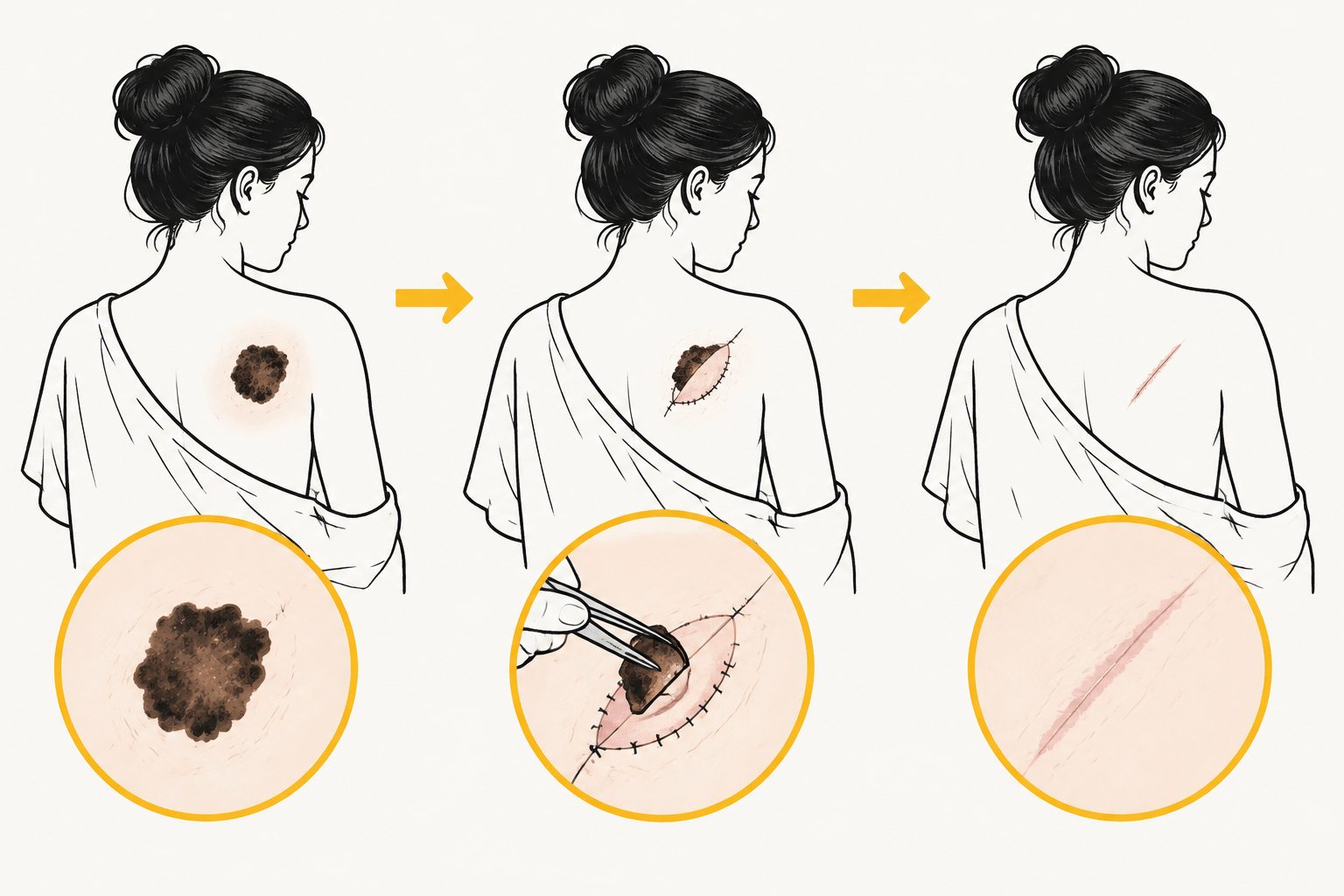
Researchers pooled results from seven human studies comparing multiple-staged with single-stage removal and reconstruction of congenital melanocytic nevi, sometimes called congenital moles. Staged surgery was associated with fewer major wound complications and recurrences, as well as slightly shorter and narrower scars, but the studies did not find a clear difference in cosmetic or overall patient satisfaction.
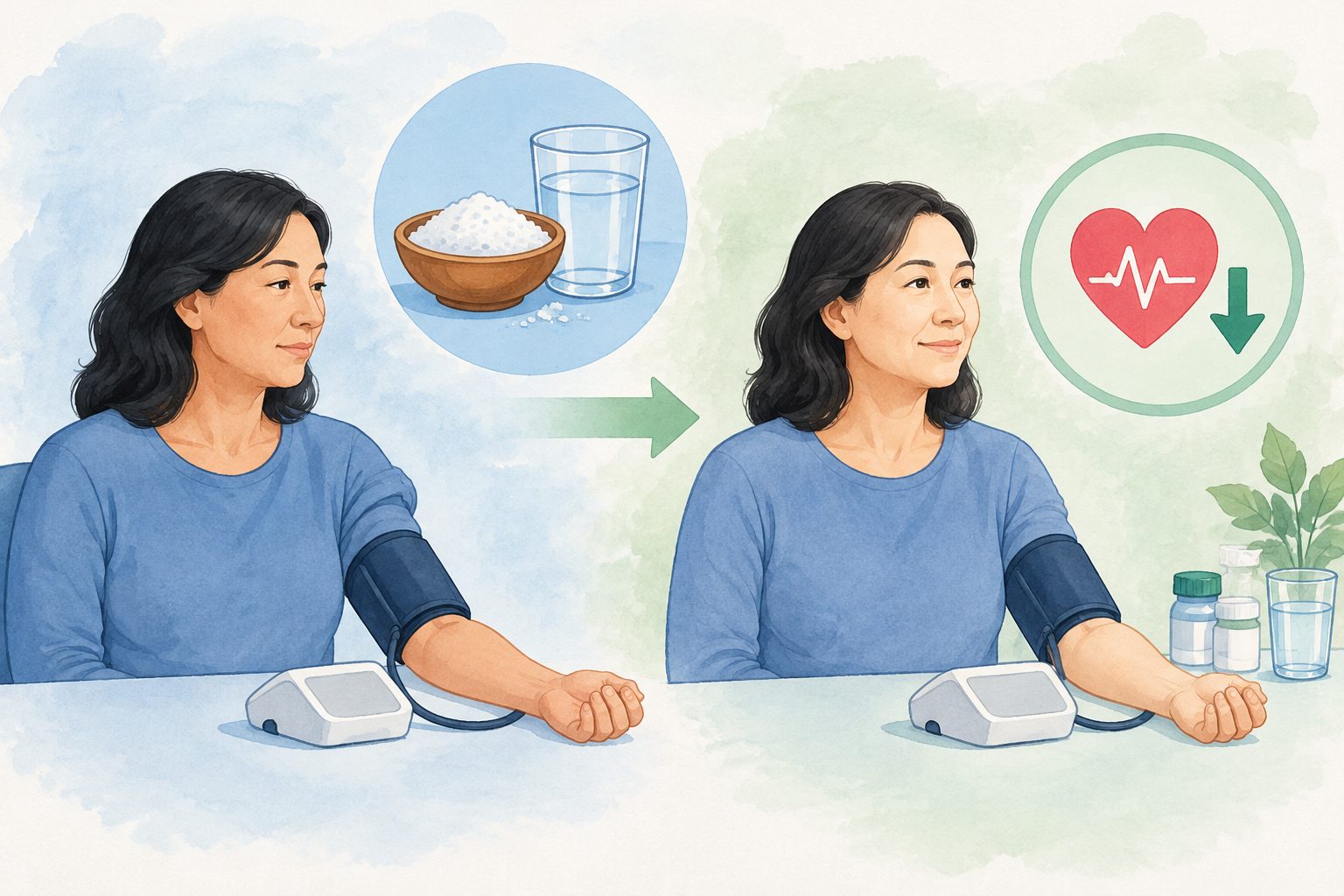
A cluster-randomized human study in 210 adults with recently detected stage 1 hypertension in Uzbekistan compared salt-sensitivity testing followed by assigned medication choices with conventional management. After 12 weeks, more participants in the testing-guided group reached the study's blood pressure target, although the study was small, short, and conducted in only three primary care centers.