A synthesis of fossil extinctions shows how fast warming can push species past physiological limits and trigger long-lasting losses, with today’s human impacts making it worse.
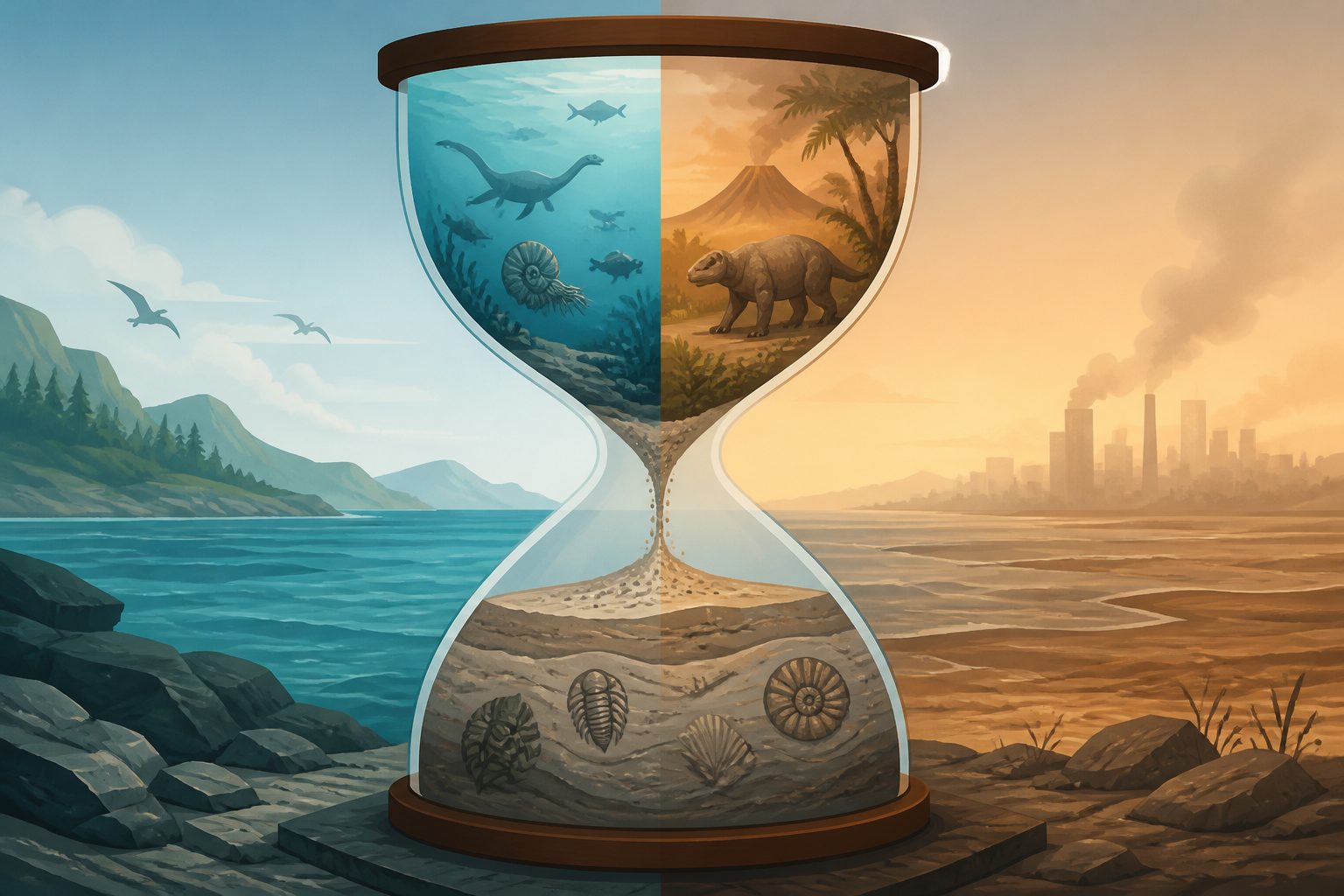
The article compares several major climate instability periods, including the Permian/Triassic extinction, the Eocene/Oligocene transition, and the onset of Northern Hemisphere glaciation. Across these events, the authors describe patterns in which rapid warming, physiological thresholds, and cascading ecosystem disruptions repeatedly reshaped life on Earth.
The authors also emphasize how the modern crisis differs: human activities such as habitat destruction, fragmentation, exploitation, and the unusually rapid pace of current warming reduce species’ ability to move to suitable conditions. They conclude that conservation efforts should be informed by how Earth’s climate system behaves over long timescales and by the role of functional losses.
Fossil patterns of warming and loss
The authors synthesize fossil evidence showing that past episodes of rapid warming were linked to major biodiversity losses in both marine and terrestrial realms. They highlight that warming can exceed physiological thresholds and set off cascading ecosystem disruptions, leading to extinction risk similar to that seen during past natural hyperthermal events.
They further note that today’s crisis is compounded because direct human pressures add to climatic stress, and the speed of current warming limits species’ ability to shift their ranges or “track” changing conditions.
// Source
Cambridge Prisms Extinction · 2026 · DOI: 10.1017/ext.2026.10020
Authors: Pasquale Raia, Silvia Castiglione, Giorgia Girardi, Alessandro Mondanaro