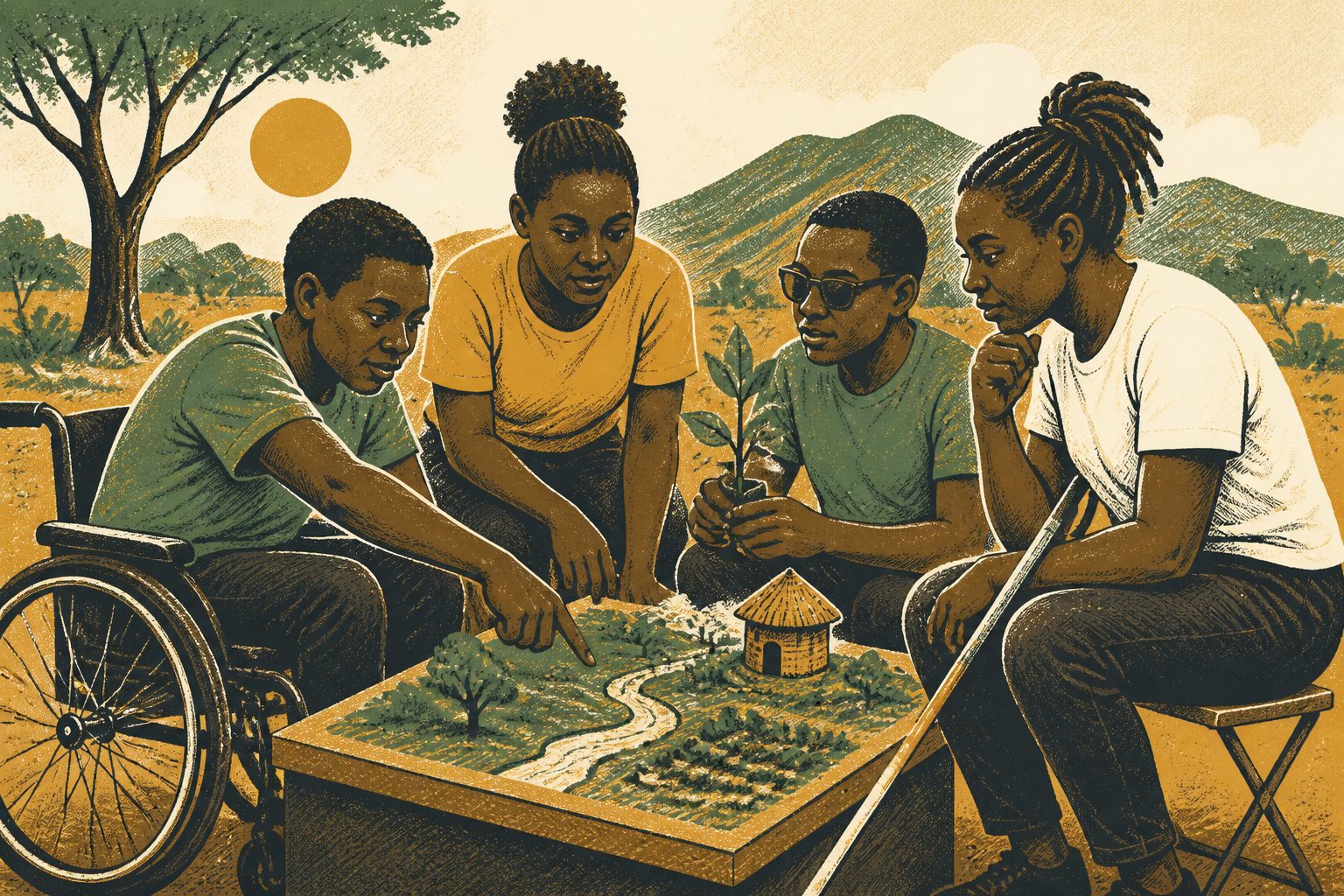
The qualitative study was carried out in February 2025 with the Danhiko Project and involved young people with disabilities aged 18–24. Participants used storytelling, participatory mapping, focus groups and consensus-building exercises to examine how disability and climate adaptation are represented in Zimbabwe.
Society & Economics1 day ago
In Zimbabwe, young people with disabilities help shape climate adaptation
A study in Harare found that participatory work helped young people challenge views of disability as dependence and develop locally relevant adaptation ideas.
How participants reframed disability
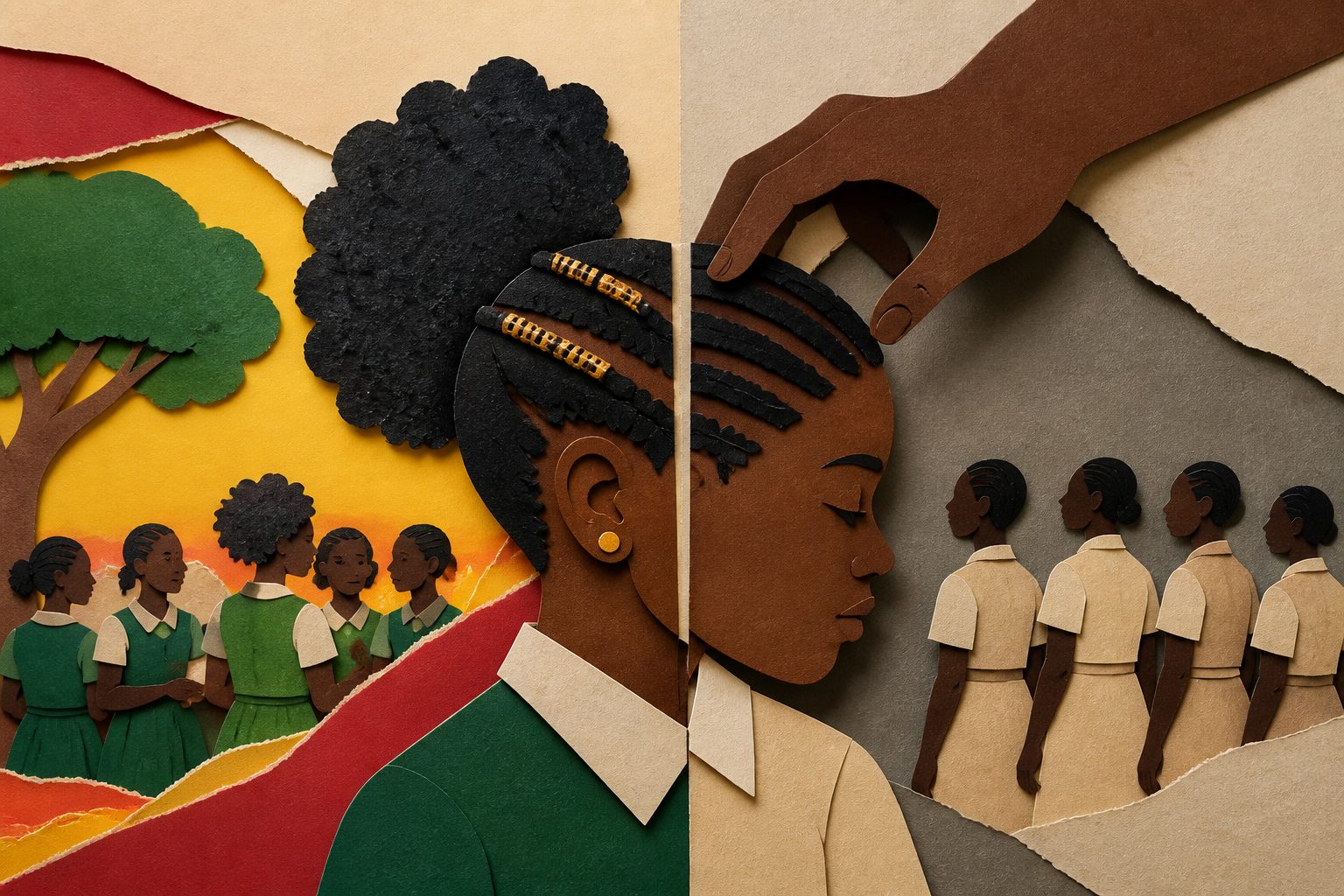
The researchers found that disability was initially associated with dependence, vulnerability and invisibility. Participants linked these views to exclusionary policies, inaccessible healthcare, limited communication systems and restricted involvement in governance. Through the participatory process, they contested and reframed these representations, describing disability instead as connected with resilience, innovation and leadership. They also co-developed proposed responses: community-led data systems, inclusive communication strategies, adaptive livelihood practices and youth-led advocacy structures.
Why inclusive adaptation matters
The study presents young people with disabilities as active contributors to climate adaptation rather than only as people at risk from climate impacts. It suggests that including their knowledge and leadership in climate policy and practice could support more inclusive and equitable adaptation in Zimbabwe, while also challenging deficit-based approaches to disability.
Evidence and caveats
This was a qualitative Participatory Action Research study conducted in February 2025 in Harare with more than 30 young people with disabilities working with the Danhiko Project. The findings are based on participants’ accounts, group activities and iterative validation, analyzed thematically and interpreted using Social Representations Theory. The study describes how participants developed and reframed adaptation ideas, but it does not test whether those proposed solutions improve climate outcomes in practice. Its setting, partnership and participant group also mean the findings should not automatically be generalized to all young people with disabilities or all communities in Zimbabwe.
// Source
Discover Global Society · 2026 · DOI: 10.1007/s44282-026-00537-w
Authors: Choolwe Mphanza Muzyamba
Institutions: University of Johannesburg