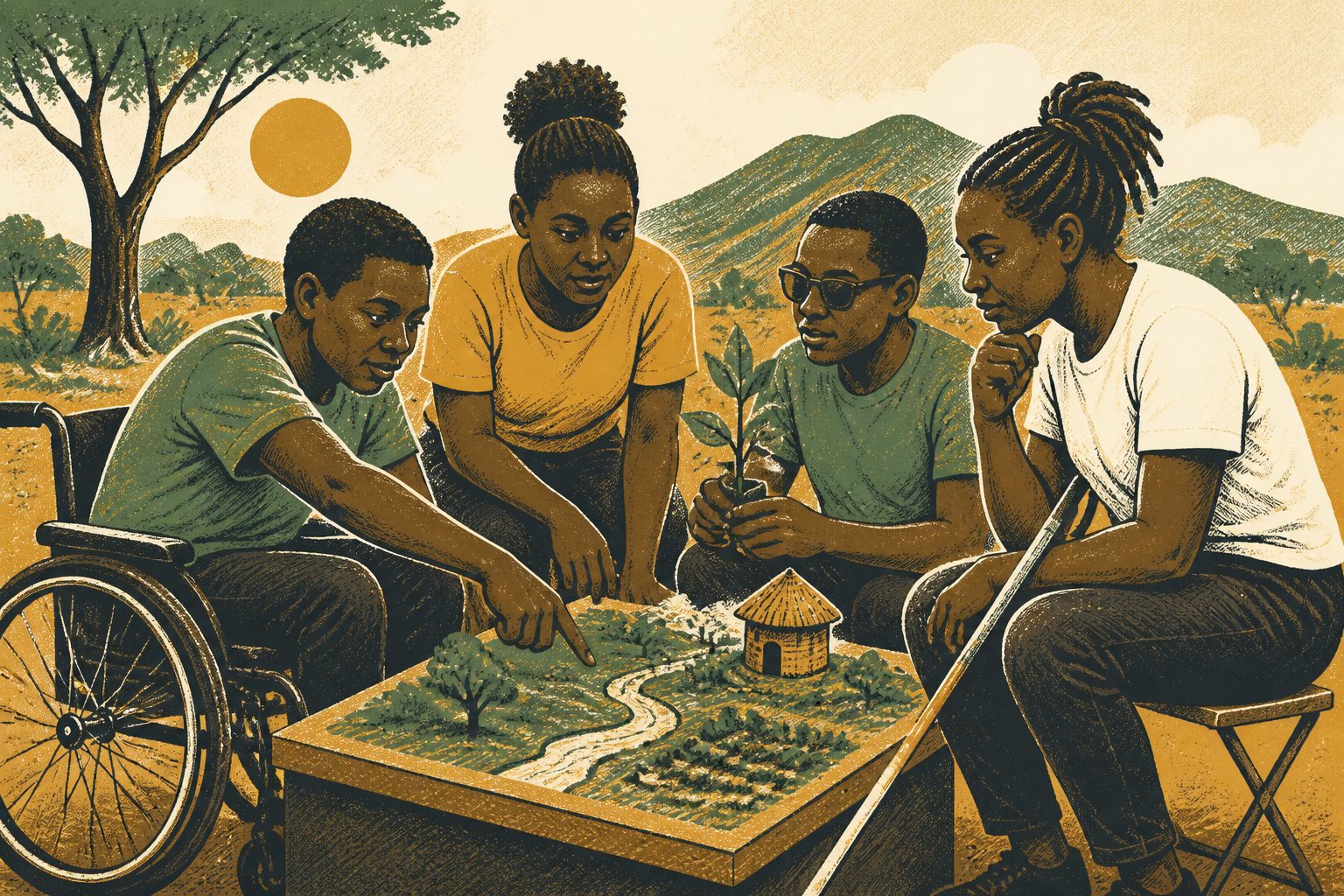
The qualitative study examined hairstyle policies in public and private schools in Ghana’s Greater Accra Region. Researchers interviewed students, teachers and school administrators, held focus group discussions and analysed school policy documents.
Society & Economics1 day ago
In Ghanaian schools, hairstyle rules shape identity and belonging
A study finds that appearance rules also communicate expectations about discipline, respectability and fitting in.
How hairstyle rules work
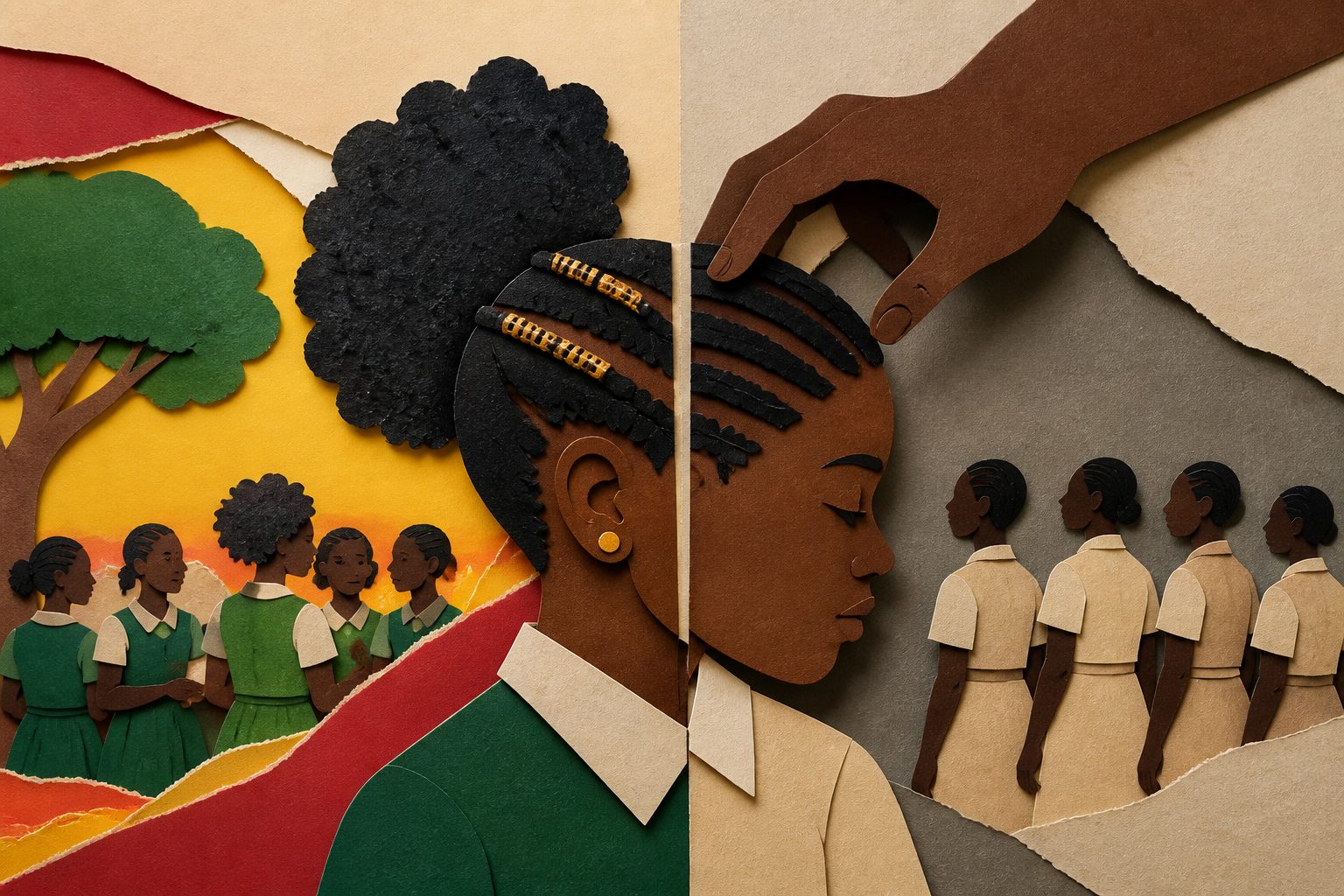
The study involved 40 purposively selected students, teachers and school administrators. The researchers found that hairstyle regulations operate as routine disciplinary practices, communicating expectations about acceptable appearance, conduct and conformity. Participants linked these expectations to historically rooted ideas about respectability as well as current institutional concerns about discipline and order. Students responded in different ways, including compliance, adaptation, increased visibility, negotiation and resistance to the norm of straightened hair. The effects of the rules varied according to how schools and staff interpreted and applied them in everyday interactions.
Why appearance rules matter
The findings suggest that the hidden curriculum—the lessons conveyed through everyday school practices rather than formal teaching—includes rules about appearance. In this account, hairstyle policies help shape students’ identities, participation and sense of belonging, making them relevant to efforts to create more culturally inclusive and decolonised education in Ghana.
Evidence and limits
This was a qualitative case study based on interviews, focus group discussions and school policy documents from 40 purposively selected participants in public and private schools in Ghana’s Greater Accra Region. It provides detailed accounts of how hairstyle rules are constructed and experienced, but the study does not establish how common these experiences are across Ghanaian schools. Its findings are also specific to the schools and participants included in the study.
// Source
Discover Education · 2026 · DOI: 10.1007/s44217-026-02101-9
Authors: Stephen Kwakye Apau
Institutions: University of Education, Winneba