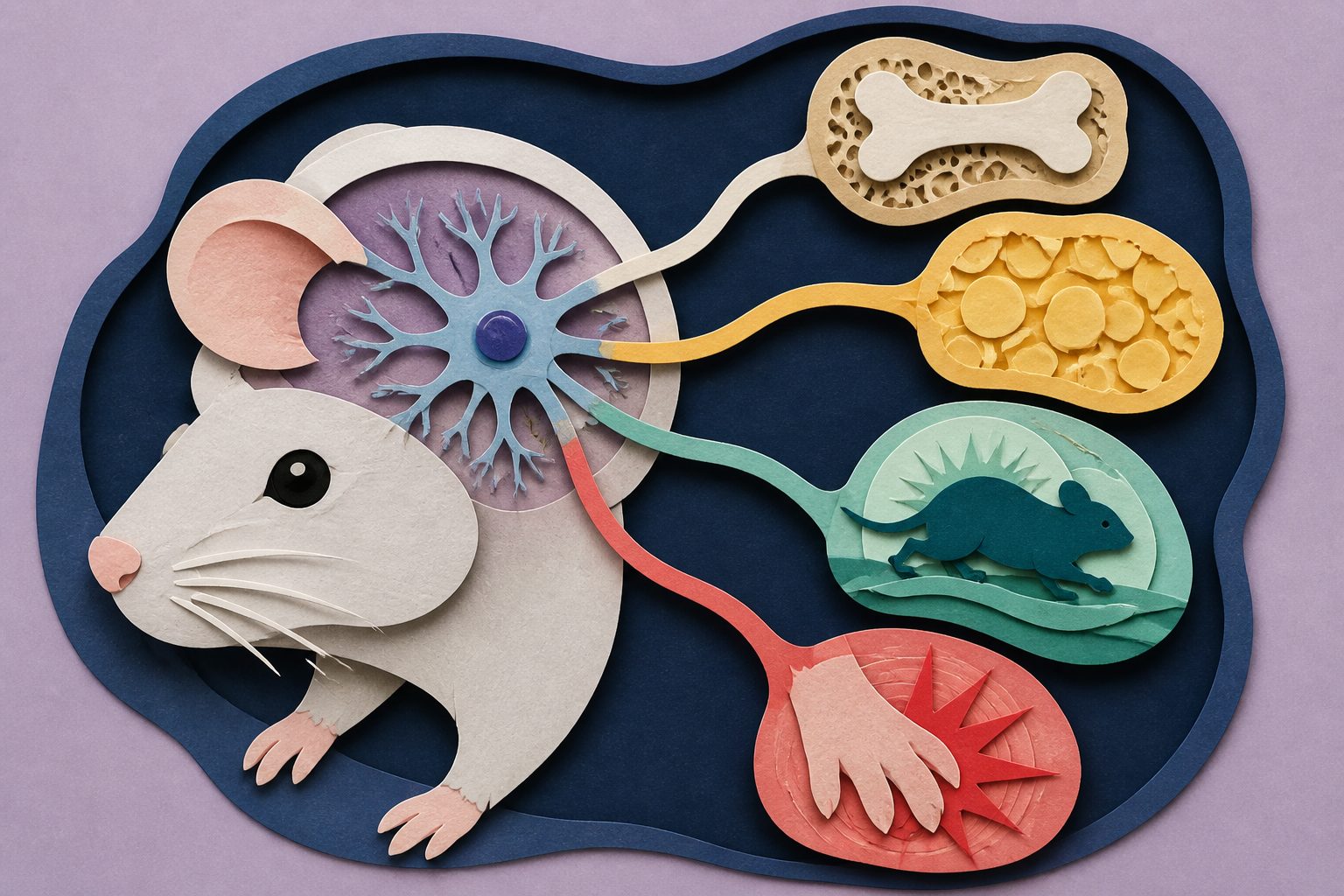
In mice, prolactin-responsive nerve cells in the hypothalamus altered food demand and pain sensitivity while influencing calcium release from bone.
Researchers identified prolactin receptor-bearing nerve cells in the hypothalamus that helped regulate metabolism and pain sensitivity in nursing mice. The cells responded to prolactin, a hormone involved in lactation, and affected signals linked to food demand and bone mineral mobilization.
The work also points to different hypothalamic regions contributing to these effects. Reducing either the prolactin receptor or neuropeptide Y in one region lowered food demand and pain sensitivity, while signaling in another region increased sympathetic nerve activity that mobilized calcium in bone.
What the brain cells did
The researchers studied prolactin receptor-positive neurons in the hypothalamus of lactating mice. Prolactin increased production of tyrosine hydroxylase in dopamine-producing neurons in the arcuate nucleus, a hypothalamic region. Neuropeptide Y levels also rose, and the researchers linked this change to altered energy demand and pain sensitivity during lactation.
Reducing either the prolactin receptor or neuropeptide Y in the arcuate nucleus significantly lowered food demand and pain sensitivity. Prolactin also increased tyrosine hydroxylase in the hypothalamic paraventricular nucleus, which increased sympathetic nerve signaling and mobilized calcium in bone. The researchers identified CCN3, a hormone associated with bone formation and produced in the brain, as a downstream signal of prolactin receptor activity in these dopamine-producing neurons.