Interviews suggest that institutional routines, colonial histories and barriers outside prison shape how people imagine returning home.
The researchers analyzed interviews with long-term prisoners about anticipated re-entry into Canadian society. The great majority said they had experienced child welfare or other state intervention while growing up, and many participants were Indigenous.
Participants’ stories linked possible difficulties after release to employment discrimination, changing technology and gaps in services. The authors argue that re-entry involves moving between prison’s predictable routines and an unequal, surveilled and often hostile society, rather than simply adapting behaviorally or finding work and housing.
How release was imagined
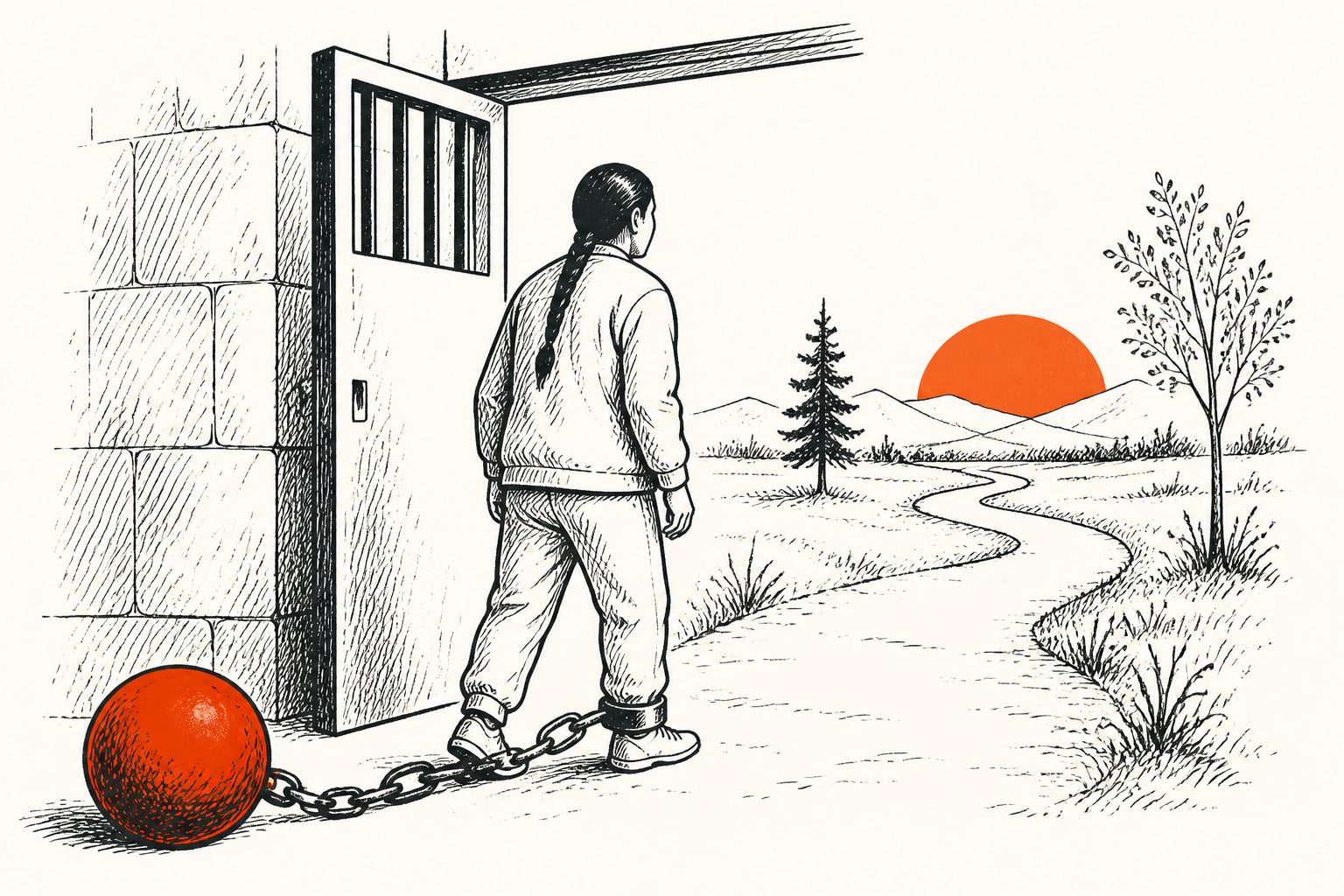
The 147 participants described release as a crossing between two very different environments. They anticipated problems with employment, health care, technology and finding a meaningful “home,” and often presented these barriers as possible reasons reintegration might fail. Their accounts sometimes portrayed prison as more coherent and manageable than life in “free” society.
The great majority of participants reported experiencing child welfare or other forms of state intervention during childhood, and many were Indigenous. The researchers connect these accounts to the lasting effects of institutional routines and colonial histories on what release can plausibly mean.