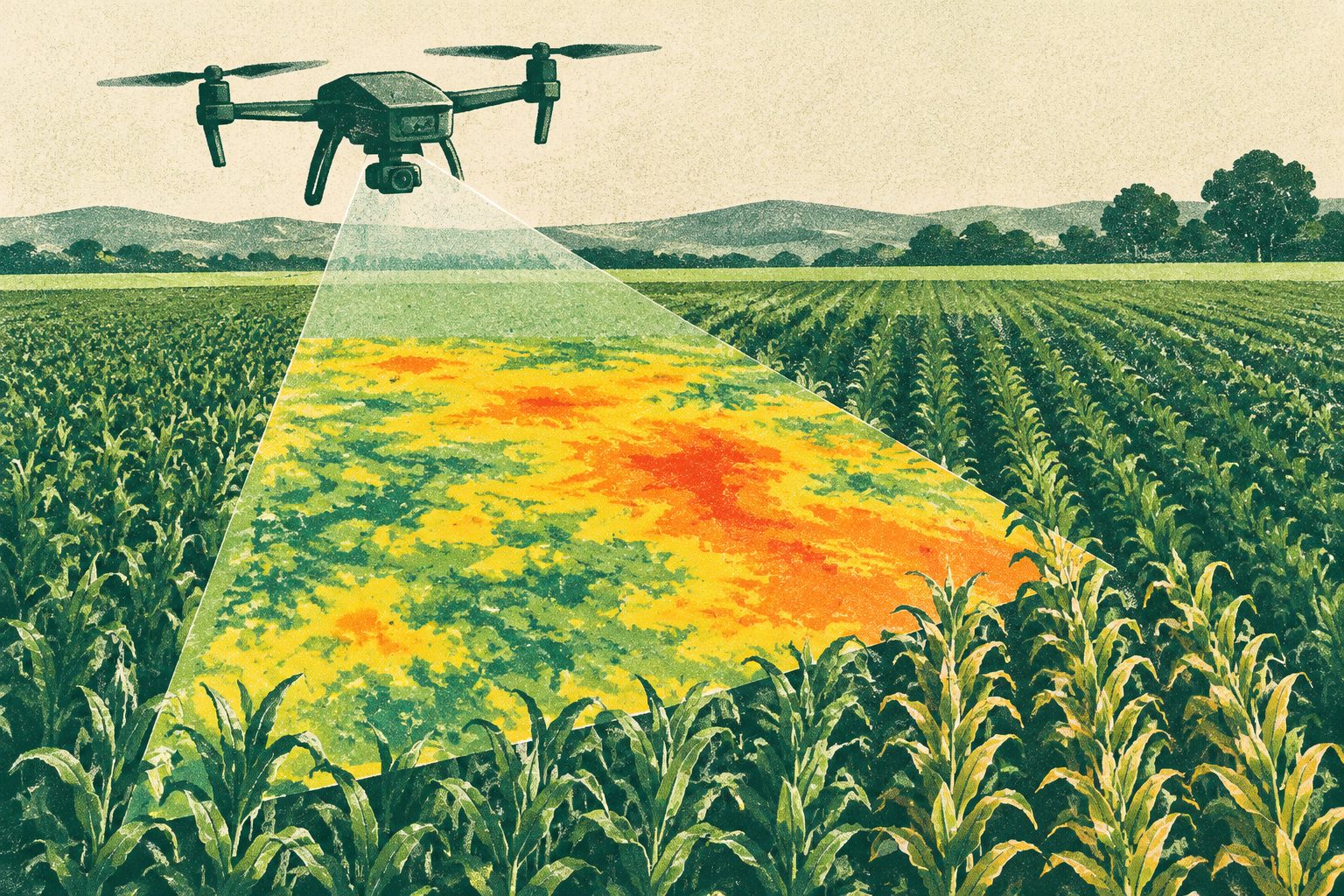
Crop losses, damaged roads and weaker purchasing power disrupted food access, leading households to ration meals and seek help from social networks.
Researchers examined how flooding affected food security in Hamakuya Village in Limpopo Province, South Africa. They combined household questionnaires with focus groups, interviews and rainfall data covering 2020–2023.
Residents reported that major floods in 2020/2021 and 2023 destroyed crops and damaged transport links. These disruptions reduced food production, restricted access to markets and weakened households’ ability to buy food, leading some families to preserve food, ration meals and rely on social networks.
Floods disrupted food supplies
The study identified major flooding events in 2020/2021 and 2023. Participants reported that floods destroyed crops and damaged transport infrastructure, reducing food production and limiting access to markets. The disruptions also constrained household purchasing power.
In 2023, 66.3% of households reported poor food quality, and 70.3% experienced some level of food insecurity. Households responded in several ways, including preserving food, rationing meals and relying on social networks.