Cleaner fuels, hydrogen and offsets together could cut aviation emissions further
A scenario analysis found that combining sustainable fuels, hydrogen propulsion, electric aircraft and carbon offsets reduced cumulative emissions more than any one approach alone.
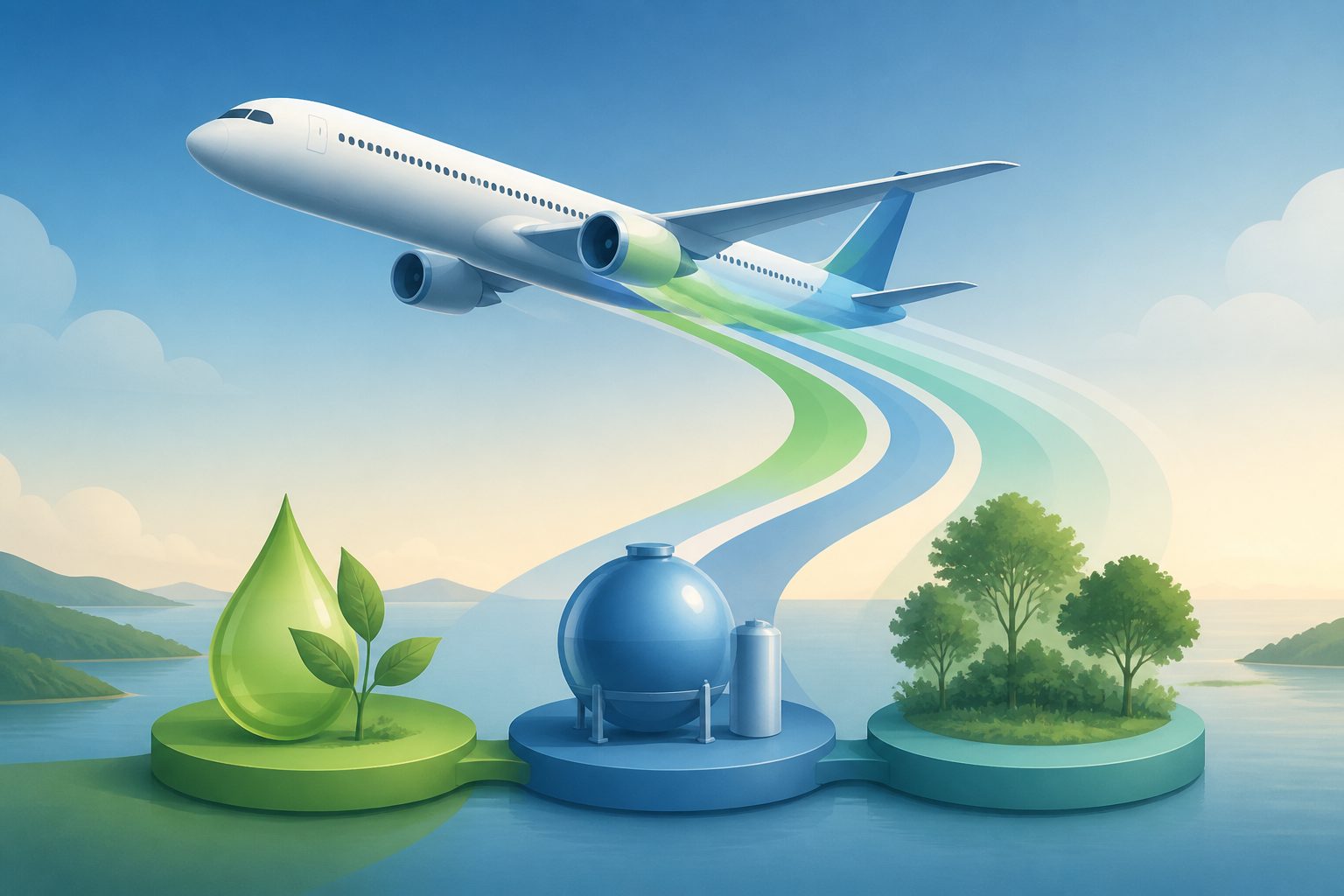
Editorial illustration — not from the study.
The study assessed how different technologies and strategies could reduce aviation’s climate impacts through 2050. Sustainable aviation fuels offered the quickest reductions because they can work with existing aircraft and fuel systems, while hydrogen had greater long-term potential but required new aircraft designs, clean hydrogen production and major infrastructure changes.
Electric propulsion provided the strongest near-term benefits for short routes but remained difficult to apply to longer flights because of battery limits. A combined pathway using sustainable fuels, electrification and hydrogen performed better overall than individual options. The researchers also modelled continued use of Jet A1 fuel alongside large-scale carbon offsetting as a lower-disruption alternative.
How the pathways compare
Sustainable aviation fuels delivered the most immediate reductions because they are compatible with existing aircraft and fuel infrastructure. Their longer-term contribution was limited by feedstock availability, production costs, continued non-CO₂ effects and residual combustion emissions.
Hydrogen propulsion offered the greatest long-term mitigation potential in the scenarios, including through reductions in soot and sulphur emissions. Its deployment was delayed by the need for clean hydrogen, cryogenic storage, new aircraft architectures and supporting infrastructure. Electrification reduced both CO₂ and non-CO₂ impacts most strongly on short-range operations, but battery and powertrain limits restricted its use on longer routes.
The combined scenario brought together sustainable fuels, hydrogen and electrification and achieved deeper cumulative emissions reductions than any single pathway. The Jet A1-plus-offsets pathway reached net-zero outcomes in the model, but required the highest cumulative use of offsets and carried greater long-term cost exposure.
Why combining approaches matters
The results suggest that aviation’s transition cannot rely on one technology. Sustainable fuels can support earlier reductions, while hydrogen and electric aircraft may contribute more as their technologies and infrastructure mature. Combining these approaches could reduce dependence on offsets and spread the transition across technologies suited to different flight ranges.
The analysis also highlights the importance of when technologies are introduced, not only how well they perform. A strategy based mainly on continued kerosene use and offsets would minimise near-term disruption, but would shift more of aviation’s decarbonisation burden to the availability and lasting effectiveness of offsets.
Evidence and limits
This is a comparative scenario study using the AeroMAPS long-term aviation modelling framework. It evaluates CO₂ emissions, non-CO₂ climate effects, energy performance, costs and operational feasibility across short-, medium- and long-range operations within a consistent modelling framework; it is not a real-world demonstration.
The findings depend on assumptions about technology deployment timing, fuel and energy availability, infrastructure, costs and offset performance. The pathways also face important constraints identified by the study, including sustainable-fuel feedstocks, clean hydrogen production, aircraft redesign, battery limits and the availability and permanence of carbon offsets. The authors describe the results as a preliminary system-level reference rather than a complete forecast.
// Source
The Aeronautical Journal · 2026 · DOI: 10.1017/aer.2026.10232
A 2020–2021 survey in Afghanistan’s Takhar Province identified 14 amphibian and reptile species or species groups. The records included the province’s first documented snakes, among them the venomous oxiana cobra, and increased the known total to at least 20 species.
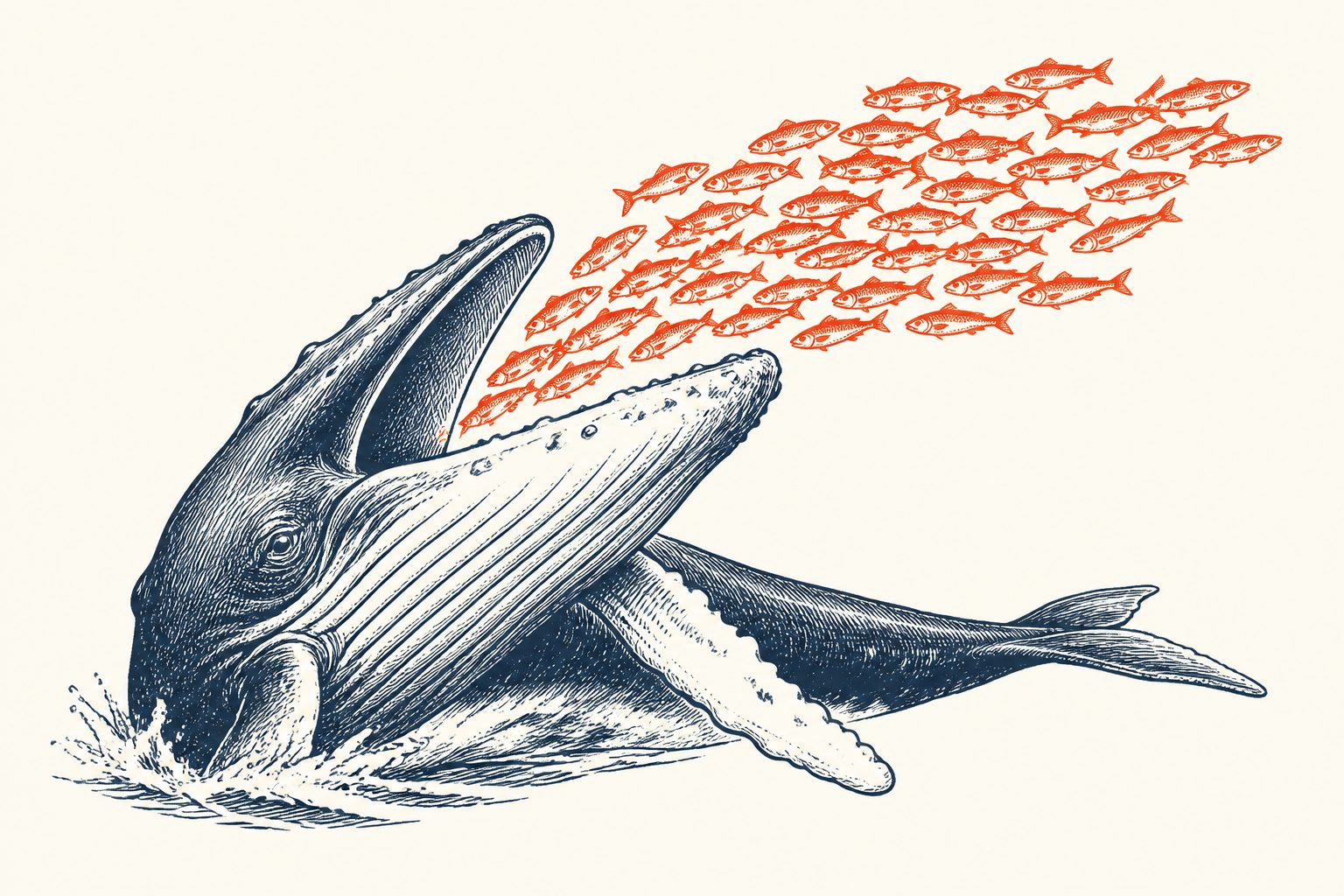
Herring supplied more than half of the estimated annual energy needs of non-reproductive and pregnant female humpback whales, as well as juvenile and adult males, in an eastern British Columbia feeding ground. Juvenile and lactating females obtained between 25% and 50% of their estimated needs from herring.
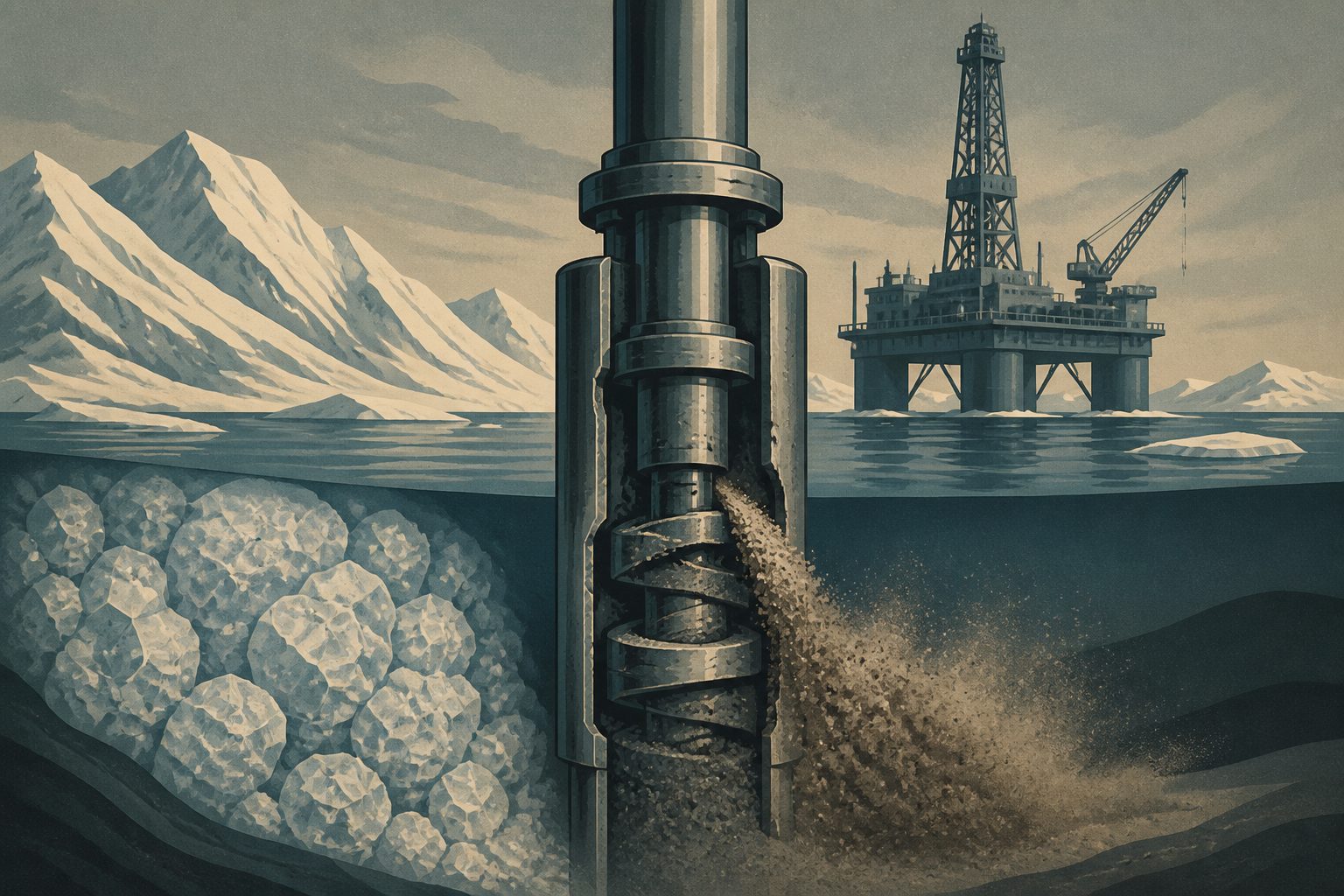
A 10-month gas-hydrate production test on Alaska’s North Slope produced gas at a stable rate for 60 days. But pump failures and problems with the system meant to keep sand out of the well limited depressurization and productivity, providing design lessons for future tests.