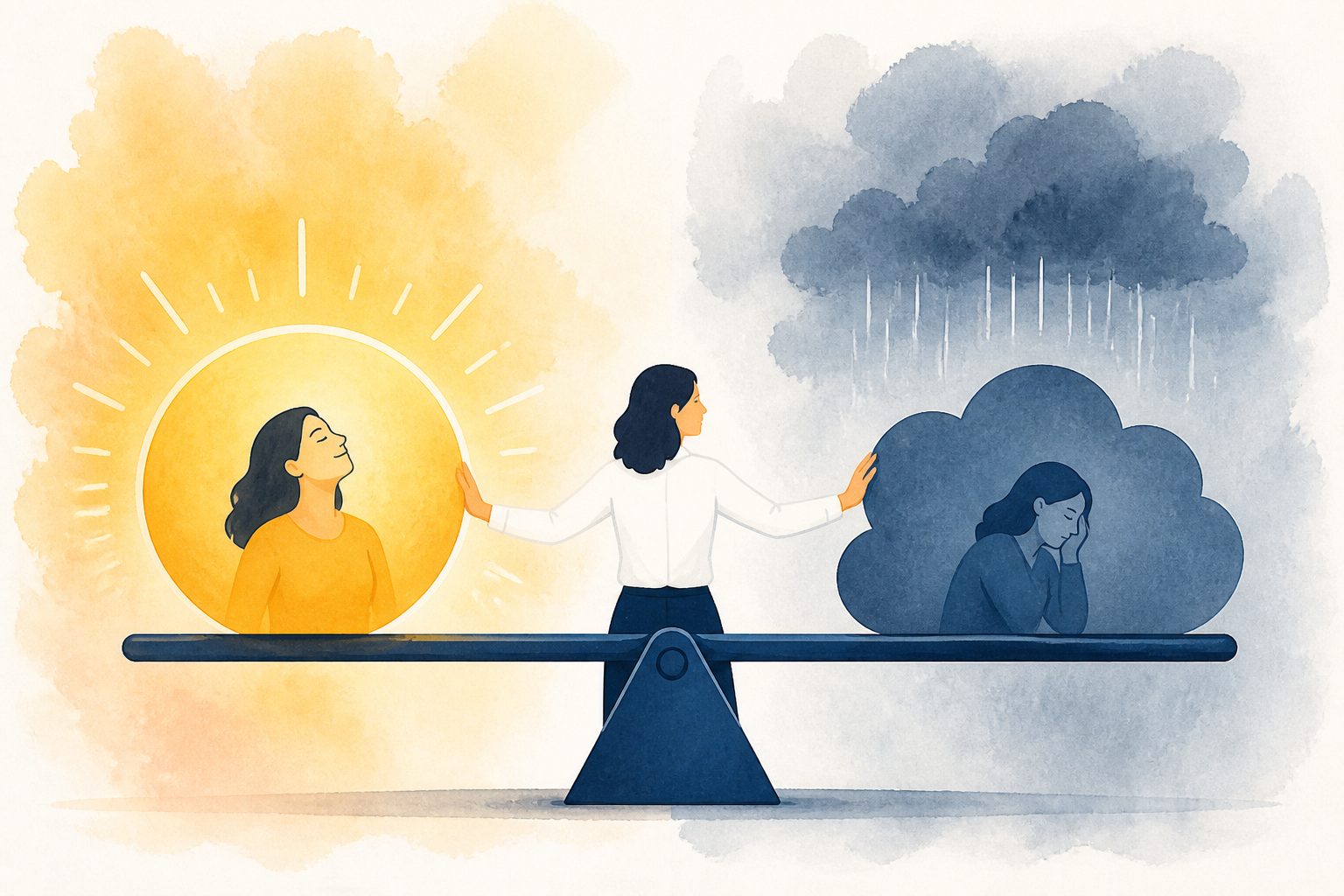
Researchers tracked 159 emerging adults five times a day for 14 days, asking about their emotions and the strategies they used to manage positive feelings. Participants also completed a questionnaire at the start of the study.
Greater emotional intensity was associated with more use of positive-emotion regulation strategies, regardless of whether the emotions were positive or negative. Strategies aimed at increasing positive emotions were linked to improvements in emotions, while strategies aimed at reducing them were linked to the opposite change. Anhedonia—a reduced ability to feel pleasure—did not consistently explain why these patterns differed between people.