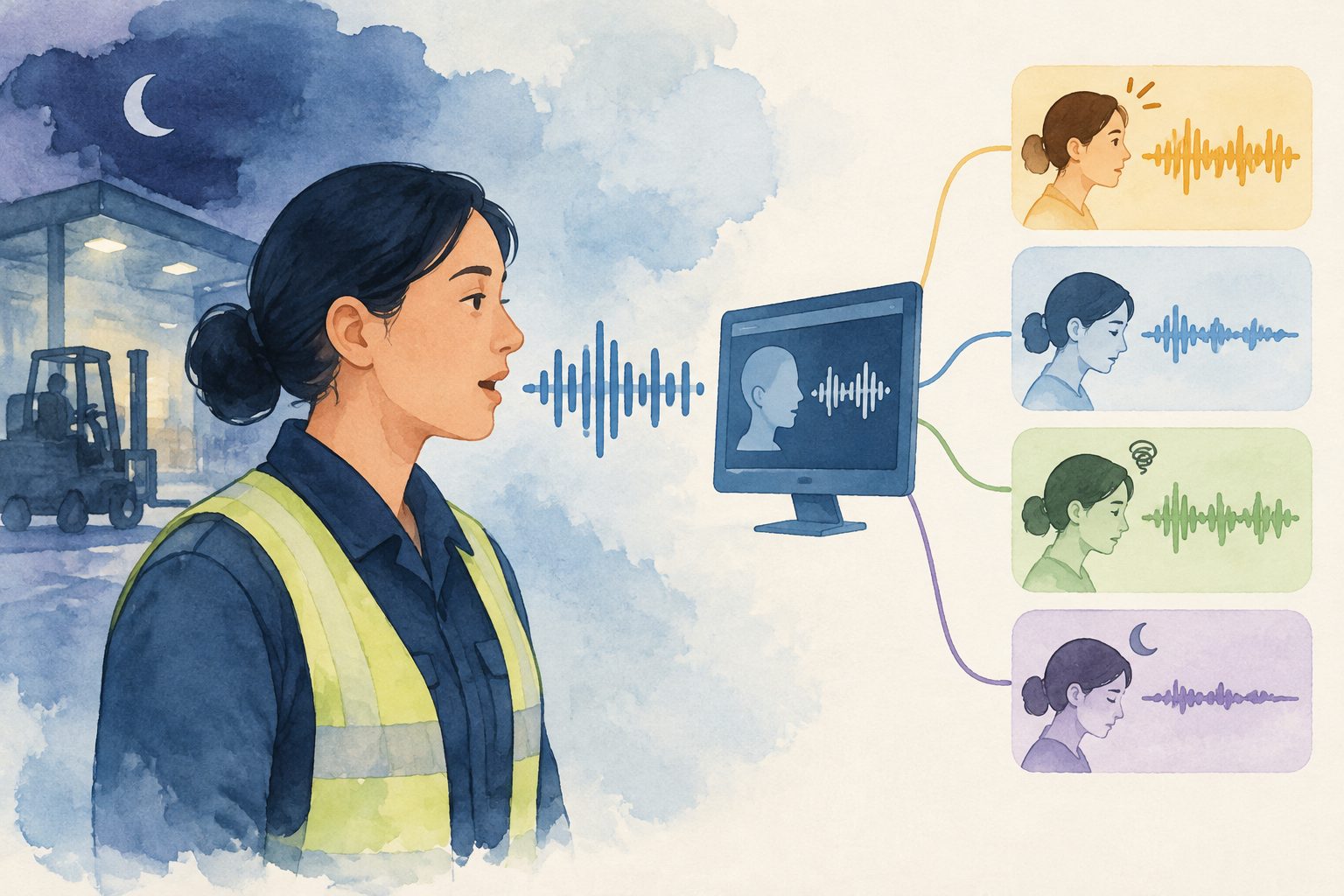
The review examined 30 empirical studies on false positives in systems designed to identify AI-generated writing. Across the studies, the researchers found that detectors often rely on measures of how predictable and varied text appears, which can lead them to classify some human-written academic work as synthetic.
Society & Economics1 week ago
AI writing detectors may wrongly flag some students, a review finds
A review of 30 studies says automated checks can mistake non-native English and structured academic writing for AI-generated text.

When detectors flag writing
The review reports that current AI-writing detectors frequently misclassify structured academic discourse and non-native English writing as AI-generated. It identifies measures such as perplexity, which reflects how predictable a text is, and burstiness, which captures variation in sentence patterns, as important parts of these systems’ assessments. The synthesized evidence also points to the possibility that punitive enforcement could disproportionately affect specific linguistic groups, increase assessment anxiety and undermine fairness.
Why fair assessment matters
Universities use automated detectors as part of efforts to protect academic integrity, but the review describes exclusive reliance on them as a vulnerability in assessment quality assurance. The concern is especially relevant in English-medium higher education, where these tools are widely used and where differences in language background may affect how human writing is classified.
Evidence and caveats
This was a systematic review following PRISMA 2020 guidelines, with eligibility criteria based on the SPICE framework. The researchers searched Web of Science, Scopus and SciELO and conducted a qualitative, narrative synthesis of 30 primary empirical studies; the protocol was registered in OSF. The abstract does not provide a pooled false-positive rate, and the findings are presented as a synthesis of varied studies rather than a single controlled test of one detector.
// Source
Journal of Education and Training Studies · 2026 · DOI: 10.11114/jets.v15i1.9451
Authors: Eliana Geomar Leon Abad, Wilson Alexander Zambrano Vélez, Rudy Jonathan Párraga Solórzano, Rosa Elena Niola Sanmartín, Gioryi Augusto Sornoza Zavala, Eduardo Fabio Henríquez Mendoza
Institutions: Universidad Estatal Península de Santa Elena