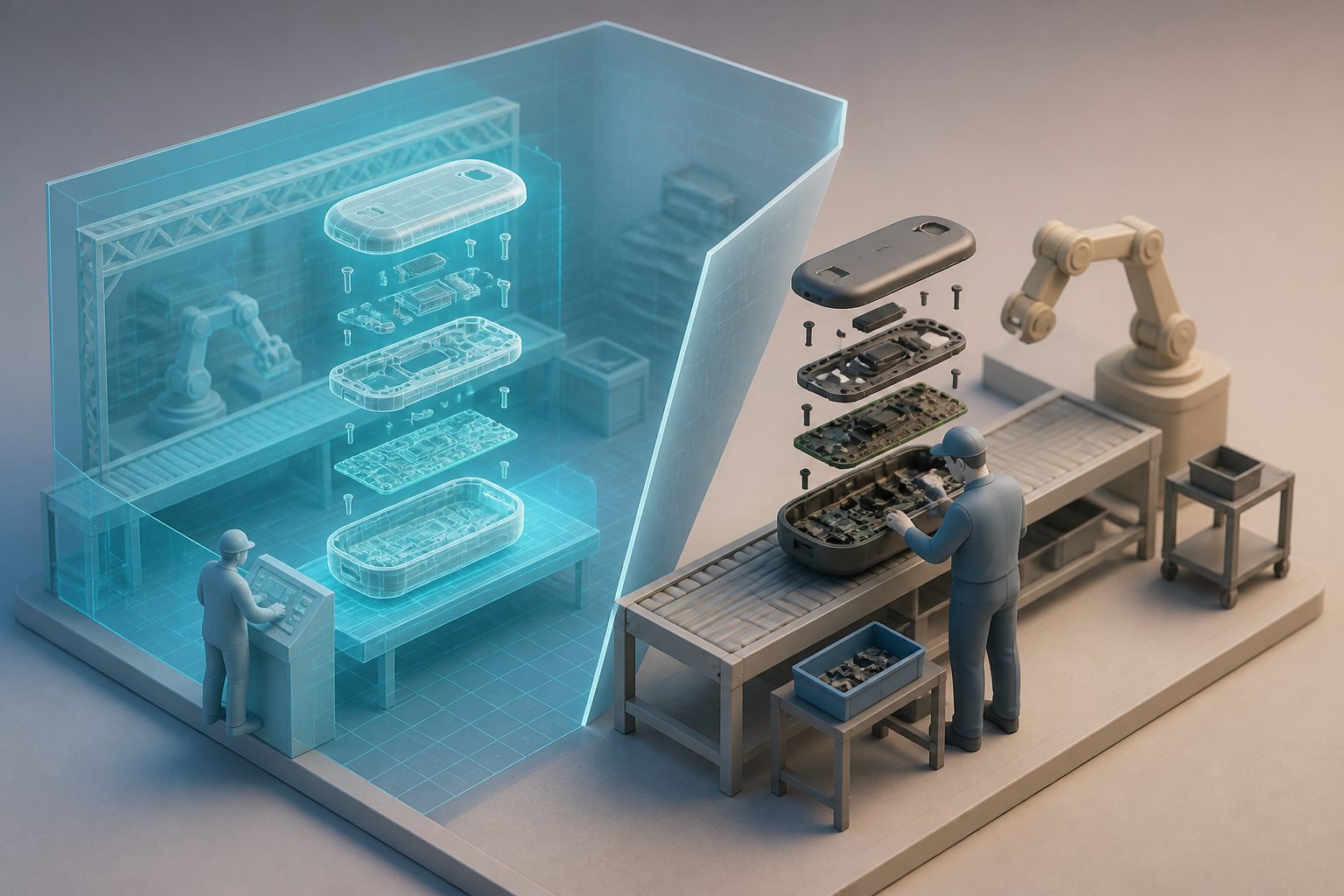
Disassembly systems must cope with uncertainty about a product’s condition and whether particular steps will work. The researchers created a modular digital twin that connects data collection, decision-making and automated planning so that disassembly plans and schedules can change when conditions deviate from expectations.
They deployed the system in a learning-factory disassembly setup to demonstrate that the modules could operate together from end to end. In an illustrative scenario, the digital twin reduced lead time by 78% and increased profit by 2% compared with operating without reactive planning. Profit was 529% higher than with a rule-based strategy for ending the process.