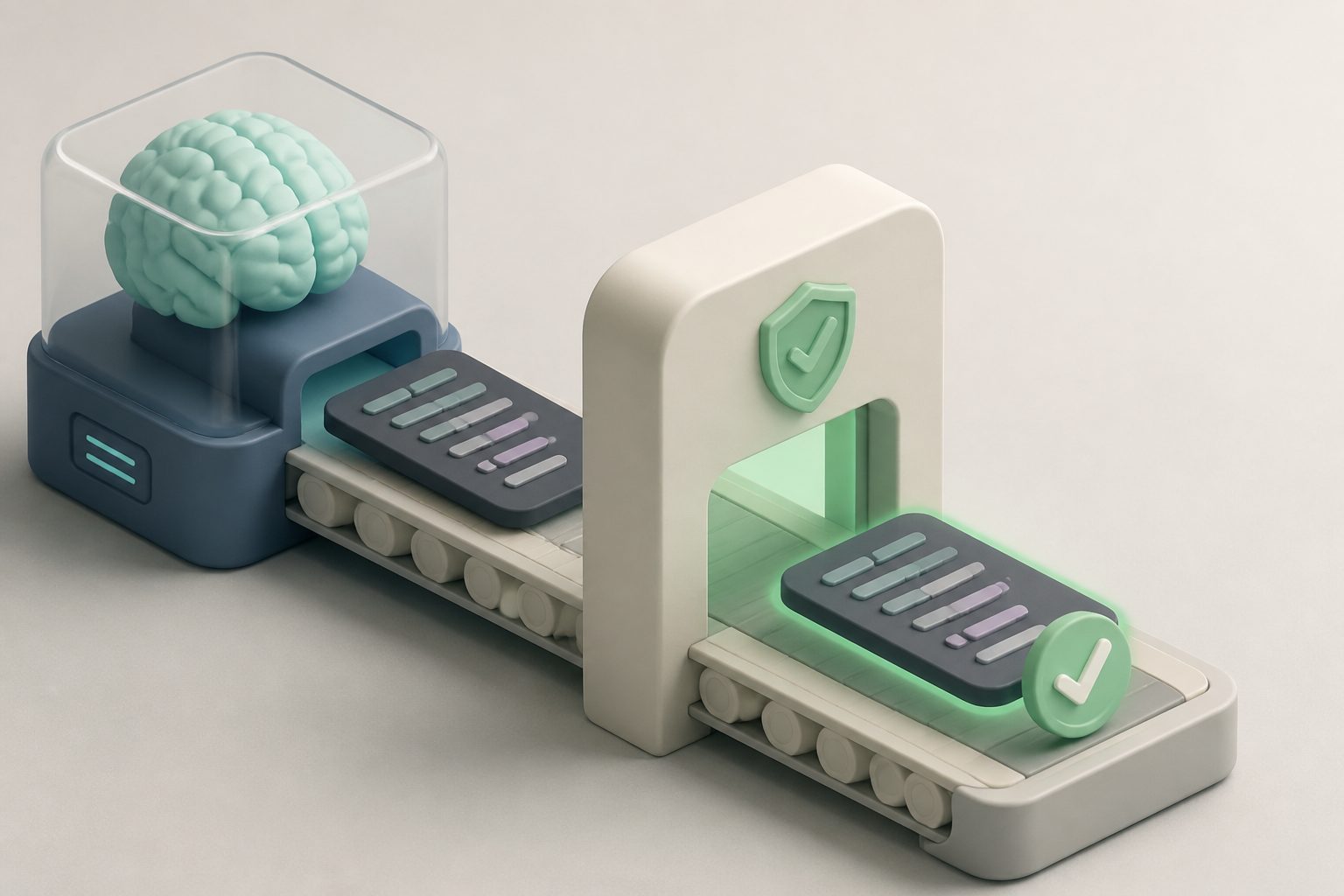
The approach combines executable tests with task-specific security checks to guide code generation and repair.
The study presents CodeSecEval, a benchmark containing 255 Python programming tasks covering 77 categories of software weakness. Each task includes insecure and secure versions, along with executable tests for both program behavior and the targeted security problem.
Using this benchmark, the researchers developed SecAwareCoder. The system identifies security-sensitive parts of a task, proposes likely weaknesses, uses them to guide code generation and security-test creation, and then uses test results to refine the code. Experiments across multiple language-model backbones found improvements over prompting and analyzer-based baselines.
Tests and open questions
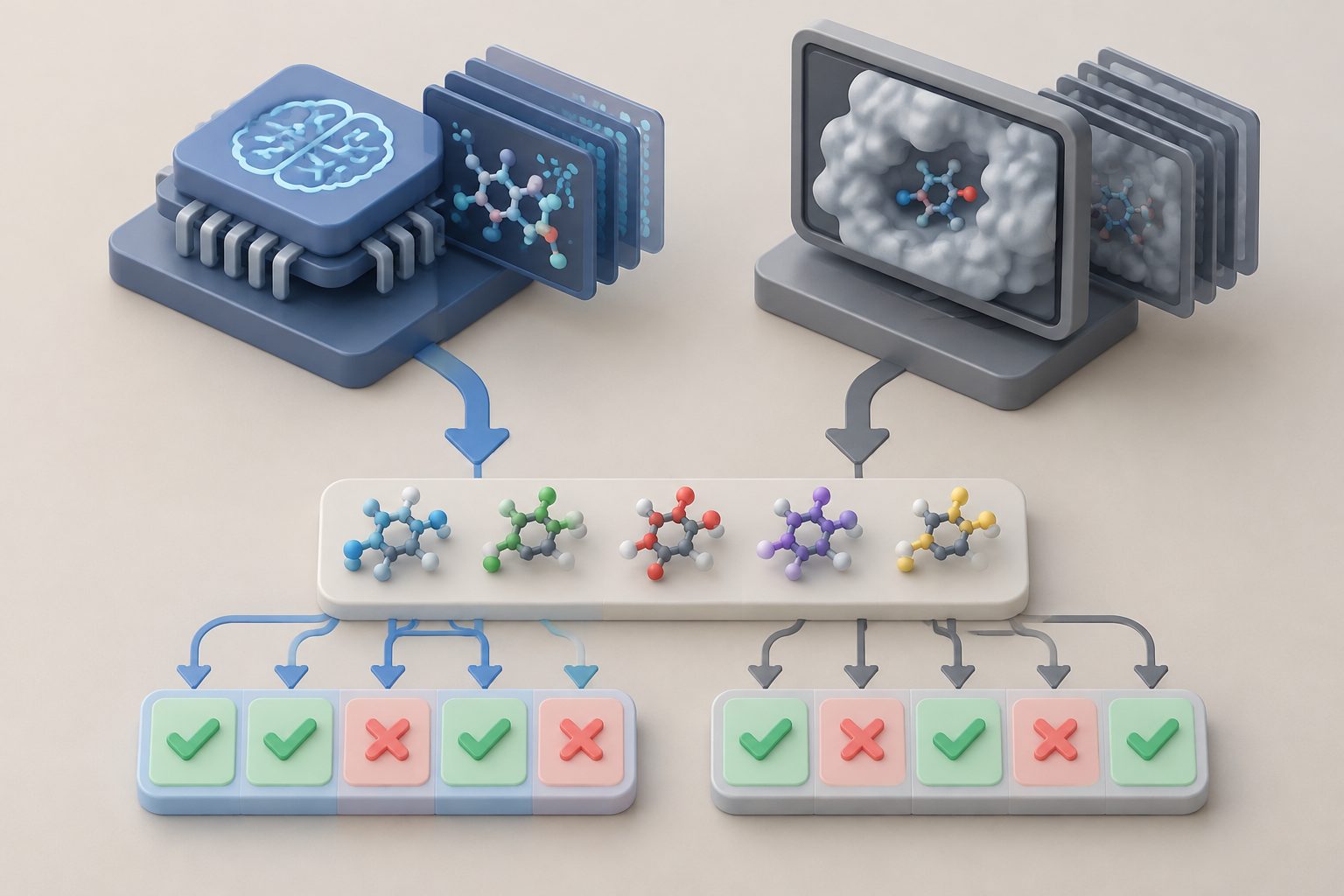
The evidence comes from experiments on the CodeSecEval benchmark, comparing SecAwareCoder with prompting and analyzer-driven methods across multiple language-model backbones. The abstract does not report the absolute scores, the size or identity of the models, or how the approach performs on software outside the 255 Python tasks. The benchmark therefore provides a controlled evaluation, but the abstract does not establish how well the results transfer to all programming languages, projects or real-world development settings.