Review examines whether exercise lowers fall risk in people with Parkinson’s disease
Researchers report improved balance and other movement measures, based on pooled results from prior systematic reviews.
High evidenceReview
Medical disclaimer: This article summarizes research findings and is for informational purposes only. It is not medical advice.
Editorial illustration — not from the study.
The authors searched PubMed/MEDLINE, Europe PMC, and DOAJ for relevant free full-text systematic reviews published from 2020 to October 3, 2025. They included ten systematic reviews that examined more than one exercise type, assessed predefined fall-risk factors, and focused on community-dwelling participants with Parkinson’s disease.
In pooled results described in the abstract, exercise interventions improved several movement outcomes. The review also reports that some exercise styles (such as tai chi and dance) were associated with improvements in balance or gait measures, while aerobic plus resistance training showed combined benefits for functional mobility.
What the review covered
The review question was whether exercise-based interventions—compared with non-exercise approaches or other physical activity options—reduce fall risk in community-dwelling patients with Parkinson’s disease. The authors identified and included ten free full-text systematic reviews (from 2020 to October 3, 2025) that evaluated more than one exercise modality and included predefined fall-risk factors.
What the evidence shows
The review reports that physical exercise significantly improved motor function, gait, balance, and postural stability in Parkinson’s disease, with “robust” statistical evidence as described by the authors. Meta-analyses involving more than 7,000 patients showed that exercise reduced Unified Parkinson’s Disease Rating Scale part III motor scores, with aerobic training described as providing the greatest benefit. The abstract also reports that combined aerobic and resistance training had synergistic effects on functional mobility (standardized mean difference = 0.74; 95% confidence interval: 0.49–1.00). It reports that tai chi improved balance scores (mean difference = 3.56; P < 0.00001) and that dance improved gait velocity (standardized mean difference = 2.11; 95% confidence interval: 1.07–3.15).
Who this is relevant to
These findings may be most applicable to community-dwelling people with Parkinson’s disease who are similar to those included in the underlying systematic reviews. They may not directly apply to people in institutional settings, those with more advanced disease, or populations whose fall risk is measured differently. This summary reflects conclusions reported in the included systematic reviews and is not a personalized recommendation.
Why it matters
Falls are described as a major cause of preventable harm in older adults worldwide, and Parkinson’s disease is associated with increased fall risk. If these findings reflect true effects, exercise could be a useful way to improve movement-related factors linked to falls, though this review does not directly establish a specific exercise approach for every individual and does not by itself confirm the magnitude of fall reduction for all settings.
Limitations & evidence assessment
Key limitations include that this is an overview/systematic review of systematic reviews, so the abstract does not provide details about the specific primary studies, participants, intervention durations, adherence, or how consistently “fall risk” was measured across included reviews. The abstract also does not specify risk-of-bias assessments, heterogeneity, or the exact number of participants contributing to each pooled estimate. Additionally, because the review’s search included only free full-text systematic reviews, some eligible evidence may have been missed. The abstract does not provide information on follow-up length, which can matter for fall outcomes.
Why this evidence level: Systematic review aggregating primary studies with explicit methodology.
Evidence levels are editorial estimates derived from study metadata — they are not clinical appraisals.
// Source
Journal of Neurology Research · 2026 · DOI: 10.14740/jnr1118
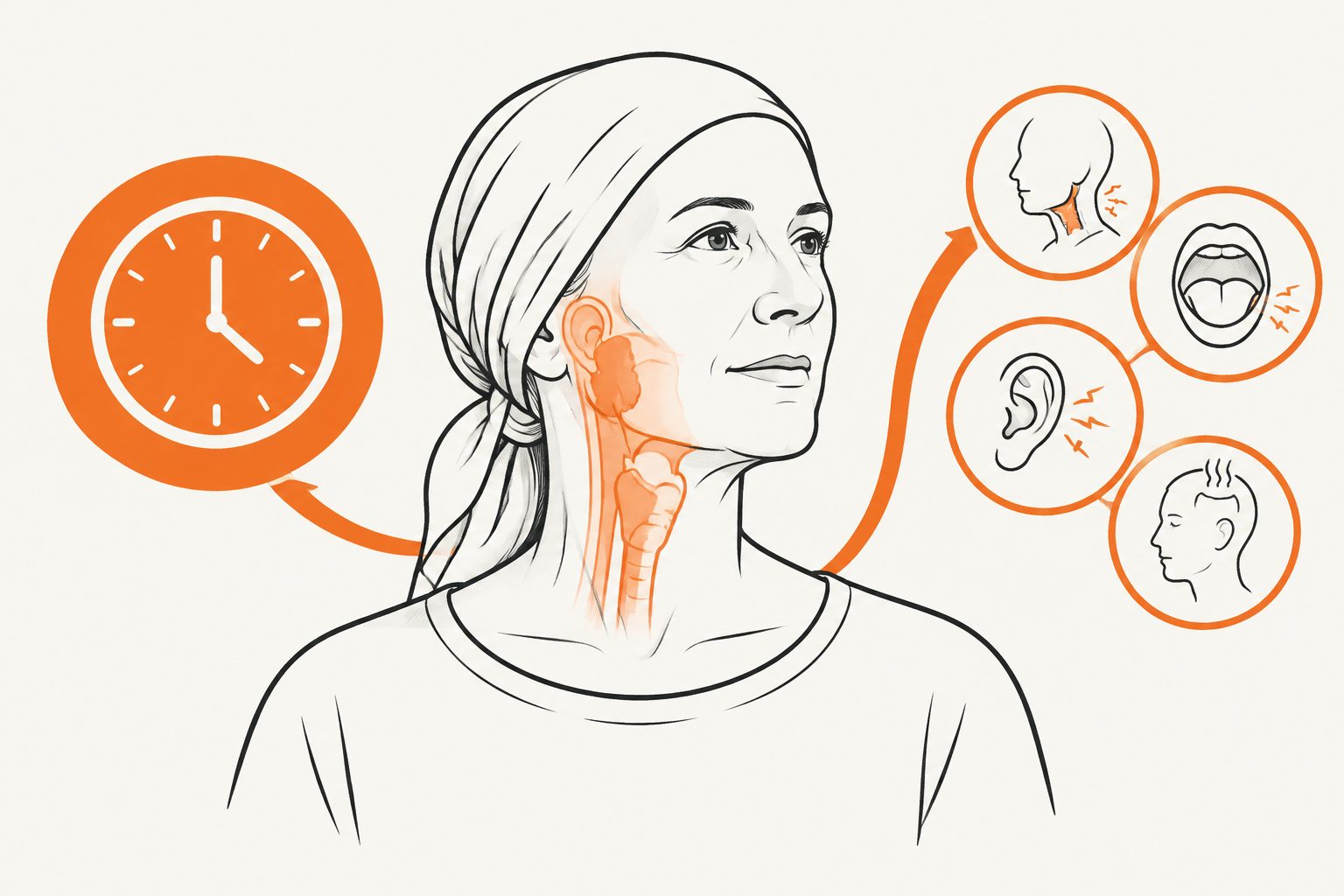
This systematic review examined randomized human trials of concurrent chemotherapy and radiation for locally advanced head and neck, cervical, esophageal, and non-small-cell lung cancers. Across the included trials, combined treatment was reported to provide better overall survival than radiation alone, but it also caused more severe short-term side effects. The review did not provide enough information in its abstract to show how many trials or patients were included.
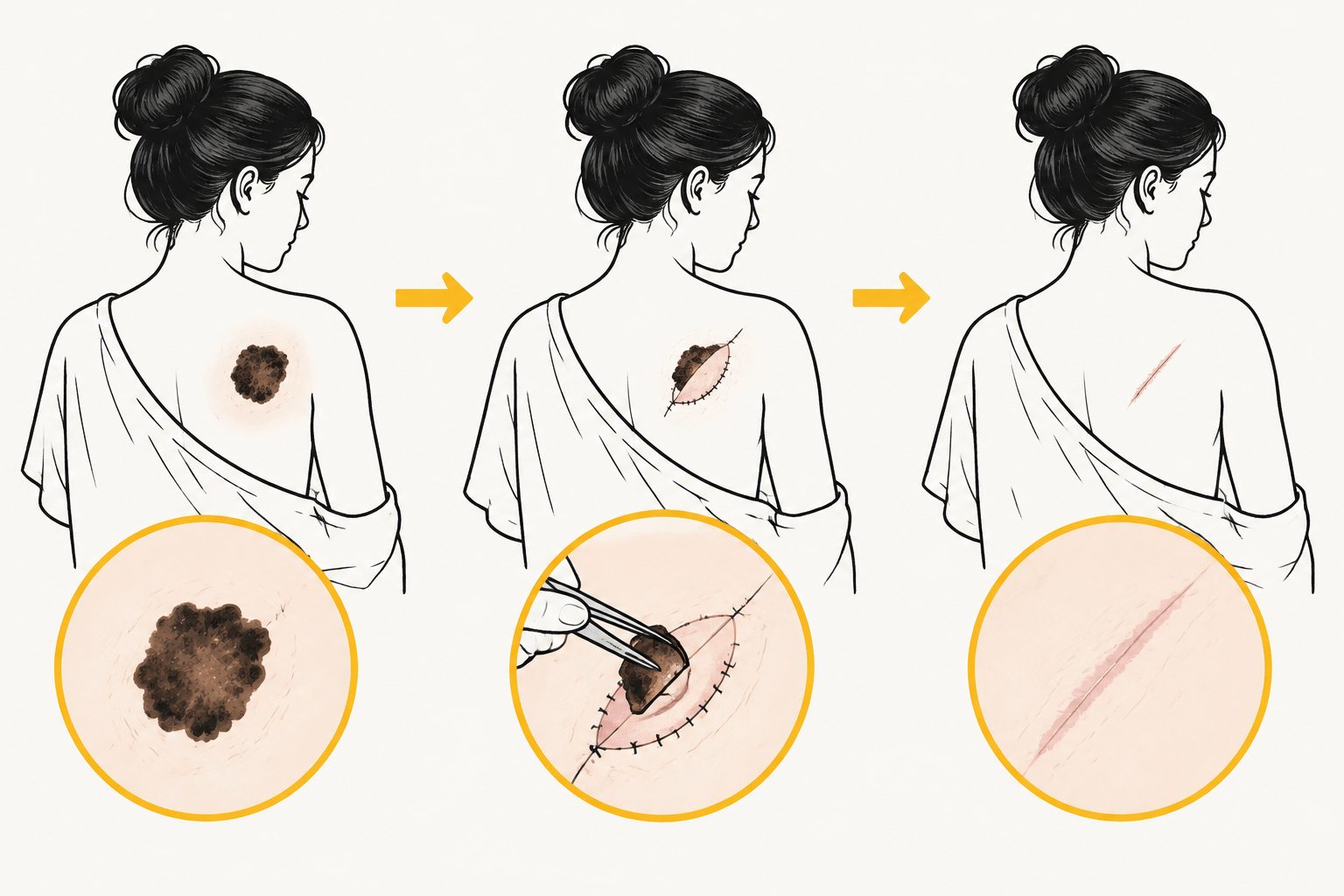
Researchers pooled results from seven human studies comparing multiple-staged with single-stage removal and reconstruction of congenital melanocytic nevi, sometimes called congenital moles. Staged surgery was associated with fewer major wound complications and recurrences, as well as slightly shorter and narrower scars, but the studies did not find a clear difference in cosmetic or overall patient satisfaction.
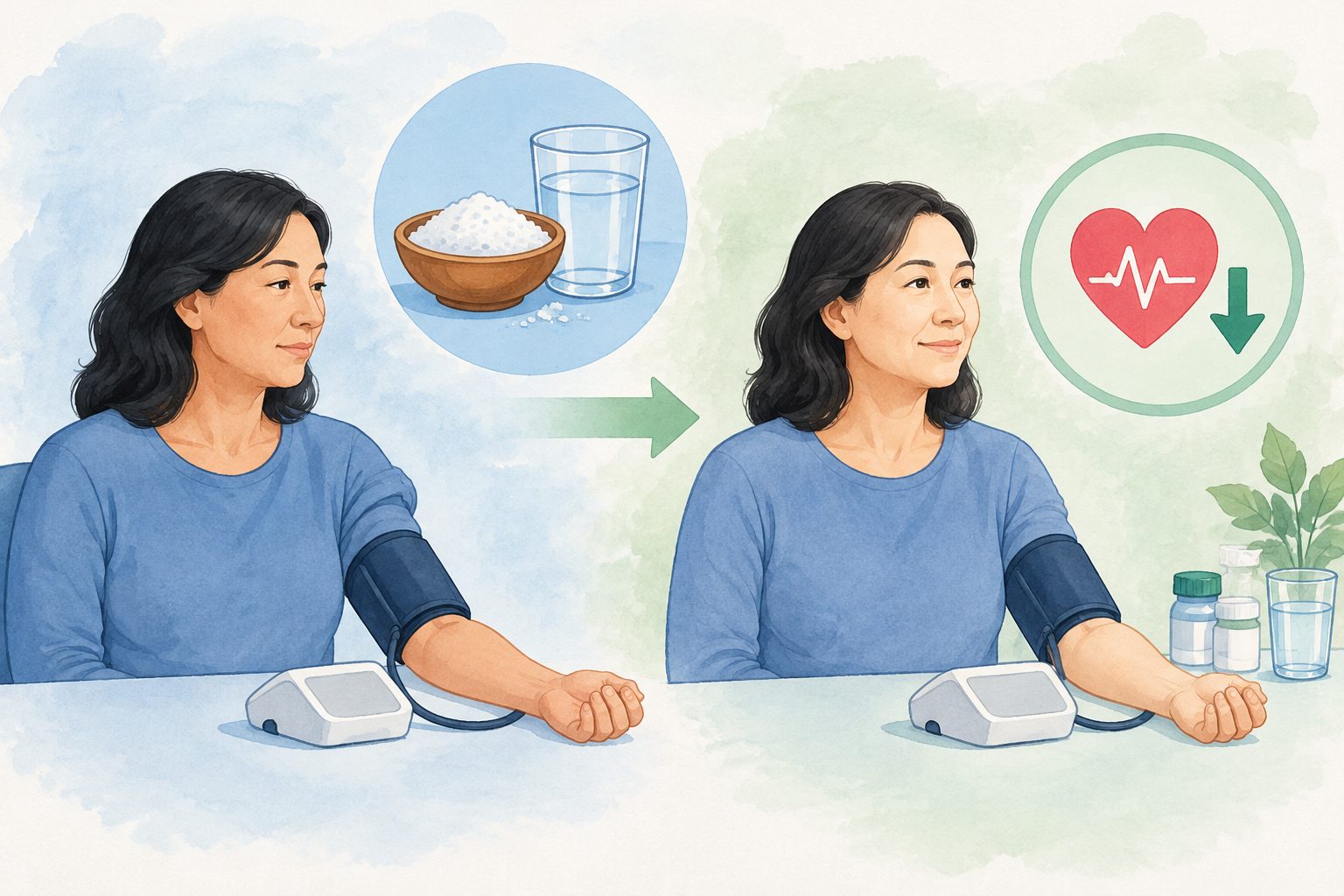
A cluster-randomized human study in 210 adults with recently detected stage 1 hypertension in Uzbekistan compared salt-sensitivity testing followed by assigned medication choices with conventional management. After 12 weeks, more participants in the testing-guided group reached the study's blood pressure target, although the study was small, short, and conducted in only three primary care centers.