Review examines recurring poisonings linked to contaminated medicine syrups
The authors discuss reported human outbreaks, possible supply-chain failures, and laboratory methods for identifying the toxic solvent.
Moderate evidenceReviewInterpret with caution
Medical disclaimer: This article summarizes research findings and is for informational purposes only. It is not medical advice.
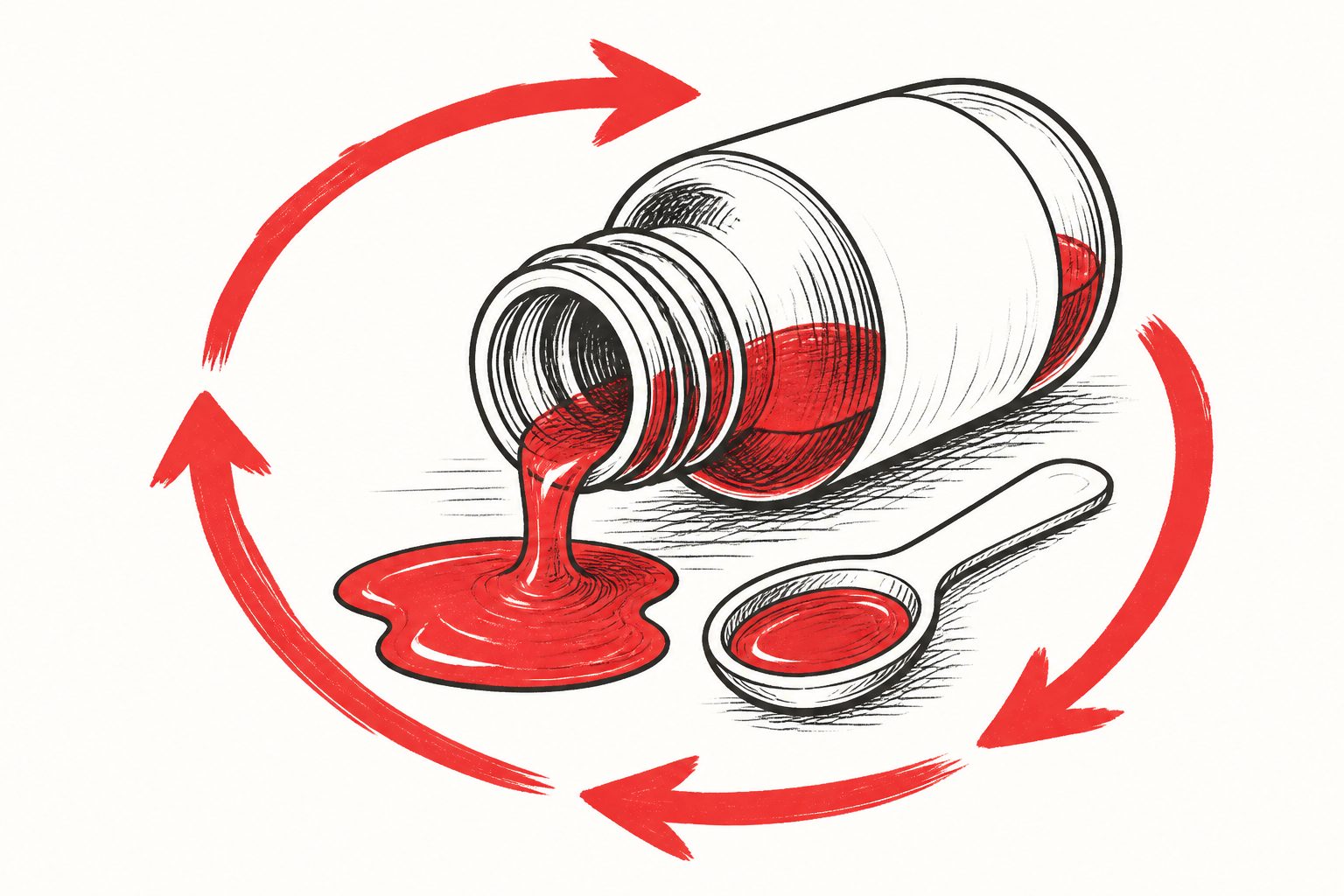
Editorial illustration — not from the study.
The review examines diethylene glycol, an industrial solvent that can be toxic when swallowed, and its reported contamination of pharmaceutical syrups. It discusses how contaminated raw materials may enter supply chains, the effects described after ingestion, and outbreaks reported in different countries, including India.
The authors also describe laboratory methods used to identify the chemical in raw materials, medicines, and biological samples. They discuss gas chromatography, gas chromatography–mass spectrometry, high-performance liquid chromatography, and simpler preliminary screening methods, while linking repeated outbreaks to weaknesses in quality control and regulation.
What the review examined
The researchers conducted a narrative review of diethylene glycol poisoning. They examined the chemical's toxicokinetics and reported clinical effects, especially in children; documented mass-poisoning events around the world and in India; possible regulatory and supply-chain failures; and methods for detecting the chemical in raw materials, finished syrups, and biological samples. The abstract does not state the number of sources reviewed, the populations represented in those reports, or whether a formal systematic-search method was used. The review discusses both human outbreak reports and laboratory testing methods, but it does not report a new animal or laboratory experiment.
Key conclusions
The review describes diethylene glycol as an industrial solvent that may be substituted for pharmaceutical-grade ingredients because it is inexpensive and difficult to distinguish visually. According to the reviewed material, ingestion can lead to toxic metabolic products and has been associated in reported human cases with severe metabolic acidosis, acute kidney injury, neurological problems, and death. Children appear to be disproportionately affected in the outbreak reports because they commonly receive liquid medicines during illness.
The review summarizes outbreaks dating back to the 1937 Elixir Sulfanilamide disaster and discusses more recent incidents in India, including cases reported in Madhya Pradesh and Rajasthan and the Chhindwara case. It identifies inadequate raw-material verification, supply-chain weaknesses, and economic incentives for adulteration as recurring contributors described in the literature. It also reviews laboratory approaches for detecting diethylene glycol, including chromatography-based methods and lower-cost preliminary screening tests. These findings describe evidence compiled by the review; they are not results from a newly conducted human experiment.
Where this may apply
This review is relevant to public-health officials, medicine and pharmaceutical-quality researchers, and readers seeking background on diethylene glycol contamination. It summarizes evidence from reported human poisoning outbreaks and laboratory testing methods, but it does not provide a new estimate of risk for any particular person, product, country, or patient group.
Why it matters
The review highlights that contamination of medicines can affect people who use products in good faith and that children were prominent among the reported victims. It may help explain why quality testing and oversight are central issues in past poisoning events. However, because this is a narrative synthesis, it cannot by itself determine how often contamination occurs, assign responsibility for a particular outbreak, or establish the performance of every screening method in all settings. Its laboratory findings concern detection procedures and should not be interpreted as direct evidence of effects in people unless supported by the underlying human reports and validation studies.
Limitations & evidence assessment
This is a narrative review, not a new clinical study, controlled trial, or systematic review. The abstract does not state how sources were selected, how many reports were included, or how the quality of the evidence was assessed. Reported outbreaks may not represent all contamination events, and the review's discussion of laboratory tests does not establish that every method performs equally well in routine settings. The abstract also does not provide patient-level data that would allow precise estimates of risk, severity, or death rates.
Why this evidence level: Narrative review: synthesizes existing work but without systematic methodology.
Evidence levels are editorial estimates derived from study metadata — they are not clinical appraisals.
// Source
Egyptian Journal of Forensic Sciences · 2026 · DOI: 10.1186/s41935-026-00572-3
This systematic review examined randomized human trials of concurrent chemotherapy and radiation for locally advanced head and neck, cervical, esophageal, and non-small-cell lung cancers. Across the included trials, combined treatment was reported to provide better overall survival than radiation alone, but it also caused more severe short-term side effects. The review did not provide enough information in its abstract to show how many trials or patients were included.
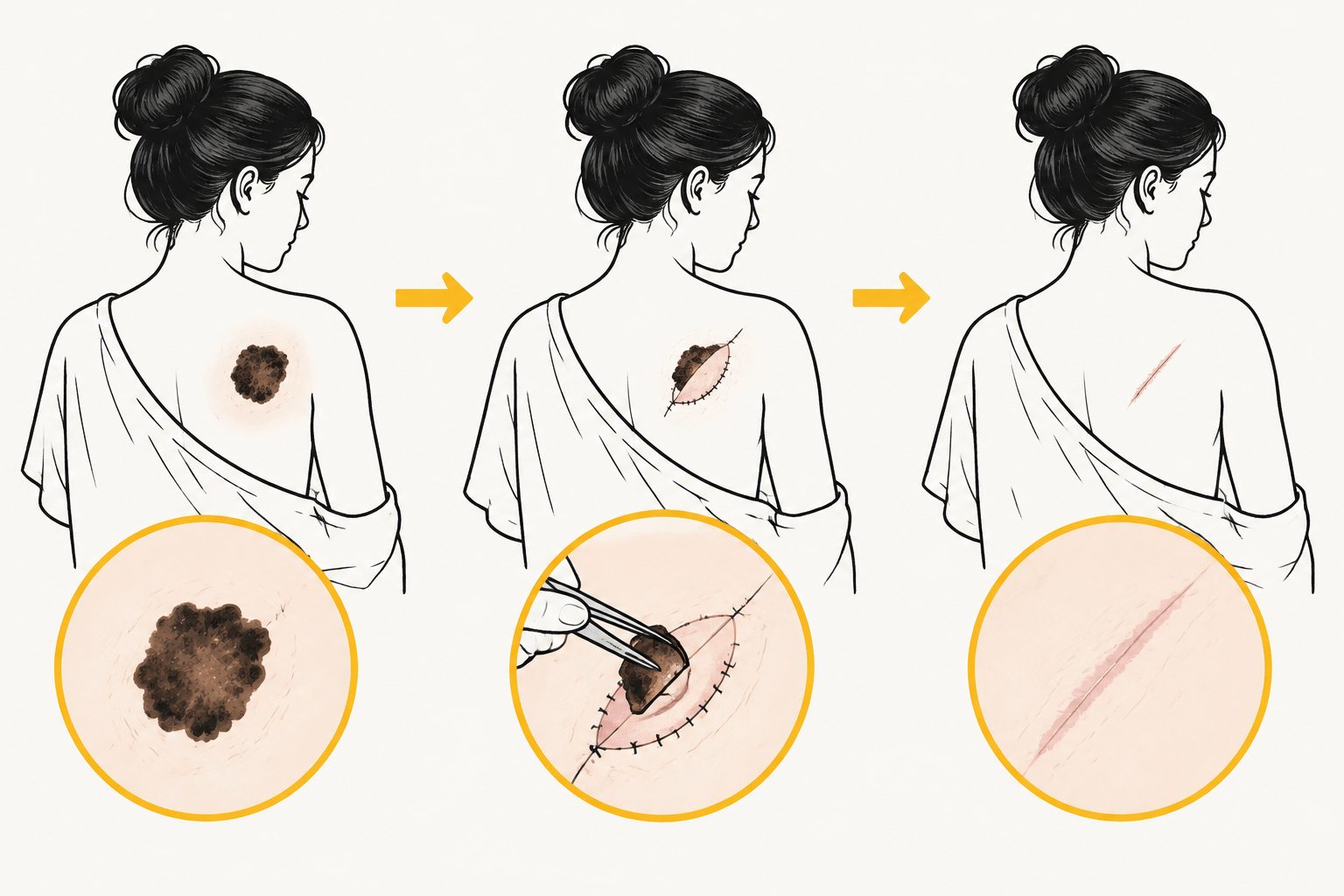
Researchers pooled results from seven human studies comparing multiple-staged with single-stage removal and reconstruction of congenital melanocytic nevi, sometimes called congenital moles. Staged surgery was associated with fewer major wound complications and recurrences, as well as slightly shorter and narrower scars, but the studies did not find a clear difference in cosmetic or overall patient satisfaction.
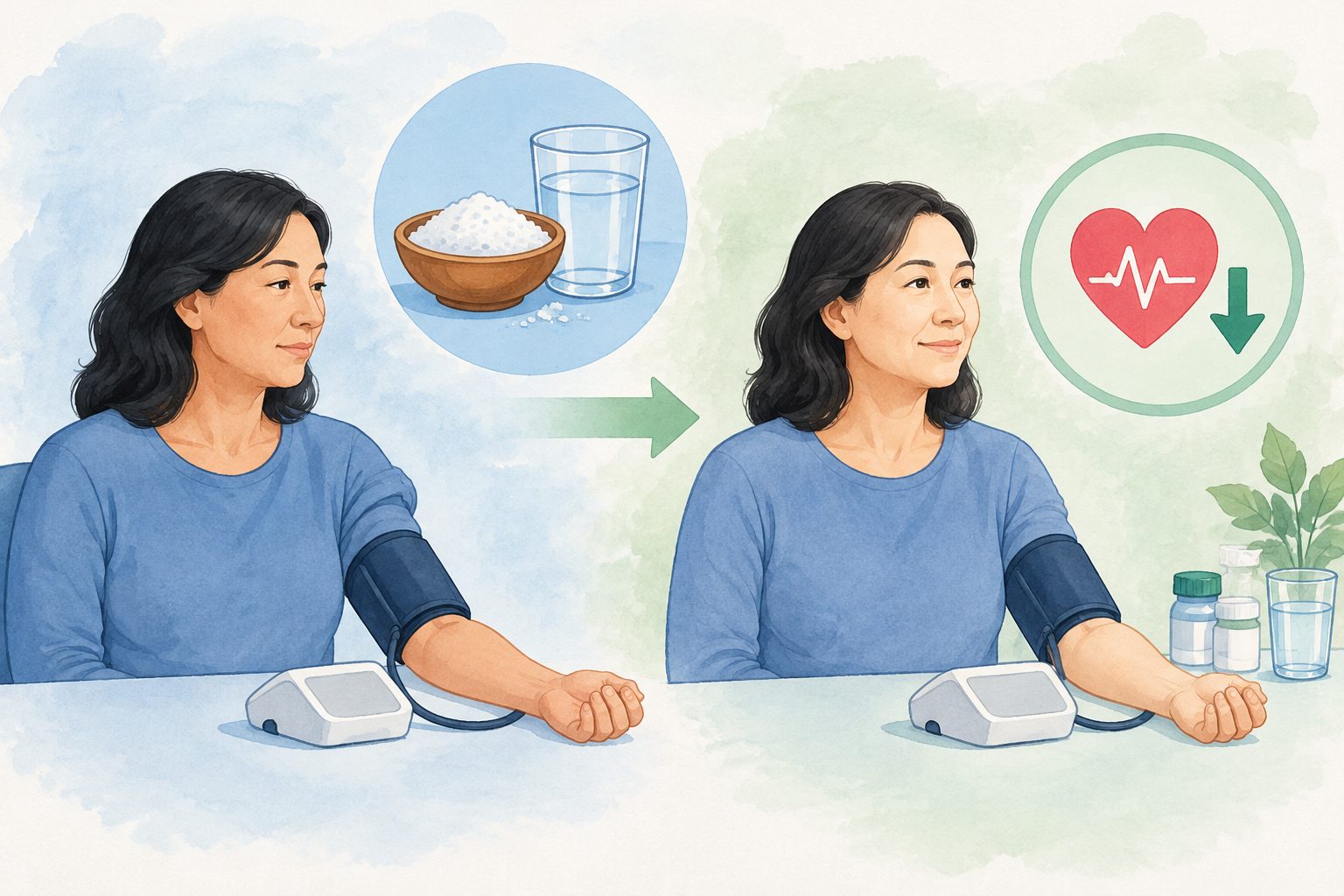
A cluster-randomized human study in 210 adults with recently detected stage 1 hypertension in Uzbekistan compared salt-sensitivity testing followed by assigned medication choices with conventional management. After 12 weeks, more participants in the testing-guided group reached the study's blood pressure target, although the study was small, short, and conducted in only three primary care centers.