Review examines brain and psychological effects after non-fatal strangulation
The authors found reported cognitive, emotional, and physical problems, but noted limited long-term evidence and inconsistent assessment methods.
Moderate evidenceReviewInterpret with caution
Medical disclaimer: This article summarizes research findings and is for informational purposes only. It is not medical advice.
Editorial illustration — not from the study.
Researchers combined findings from 26 peer-reviewed articles about non-fatal strangulation linked to intimate partner violence and possible acquired brain injury. The review focused on neurological, psychological, and physical effects, as well as implications for health care and policy.
Across the literature, the authors reported cognitive, emotional, and physical problems among people affected by this form of violence. They also found that recognition and management were inconsistent, while long-term outcomes and standardized assessment approaches remained insufficiently studied.
What the review covered
The researchers conducted an integrative review using searches of eight databases. They included 26 peer-reviewed articles addressing non-fatal strangulation in intimate partner violence, its possible link with acquired brain injury, neurological and psychological effects, and implications for health professionals, policy, and clinical practice. The abstract does not specify the participants' combined sample size or the designs and quality of each included study.
What the evidence shows
The reviewed literature reported that non-fatal strangulation-acquired brain injury may be associated with cognitive, emotional, and physical impairments. The review also identified frequent gaps in recognition, inconsistent screening and management strategies, and a lack of validated tools and standardized protocols. These findings summarize patterns in prior research; they do not show that every survivor will develop these problems or establish the cause of any individual person's symptoms.
Who this is relevant to
The findings may be relevant to people who have experienced non-fatal strangulation in the context of intimate partner violence, particularly those represented in the 26 included articles. They should not be assumed to apply equally to all survivors or to establish the effects for any one individual.
The significance
The review draws attention to a possible but often overlooked connection between non-fatal strangulation and later neurological, psychological, and physical difficulties. It suggests that inconsistent recognition and limited long-term evidence are important gaps for health systems and research. These are implications of a synthesis of existing studies, not proof that a specific screening or management approach improves outcomes.
Limitations & evidence assessment
The review included 26 articles, but the abstract does not report the number or characteristics of people represented across those studies, the designs of the individual studies, or their risk of bias. Long-term outcomes were described as understudied, and screening and management approaches were inconsistent. Because this was a review of existing research rather than a new patient study, it cannot establish the effects for any particular person or determine cause and effect from the summary alone. The review also had no patient or public contribution.
Why this evidence level: This was an integrative review of 26 peer-reviewed articles, which provides a broad summary of existing research. However, the abstract does not describe the quality of the included studies, their individual designs, or how consistently the findings were measured, so the evidence is not classified as high.
Evidence levels are editorial estimates derived from study metadata — they are not clinical appraisals.
This systematic review examined randomized human trials of concurrent chemotherapy and radiation for locally advanced head and neck, cervical, esophageal, and non-small-cell lung cancers. Across the included trials, combined treatment was reported to provide better overall survival than radiation alone, but it also caused more severe short-term side effects. The review did not provide enough information in its abstract to show how many trials or patients were included.
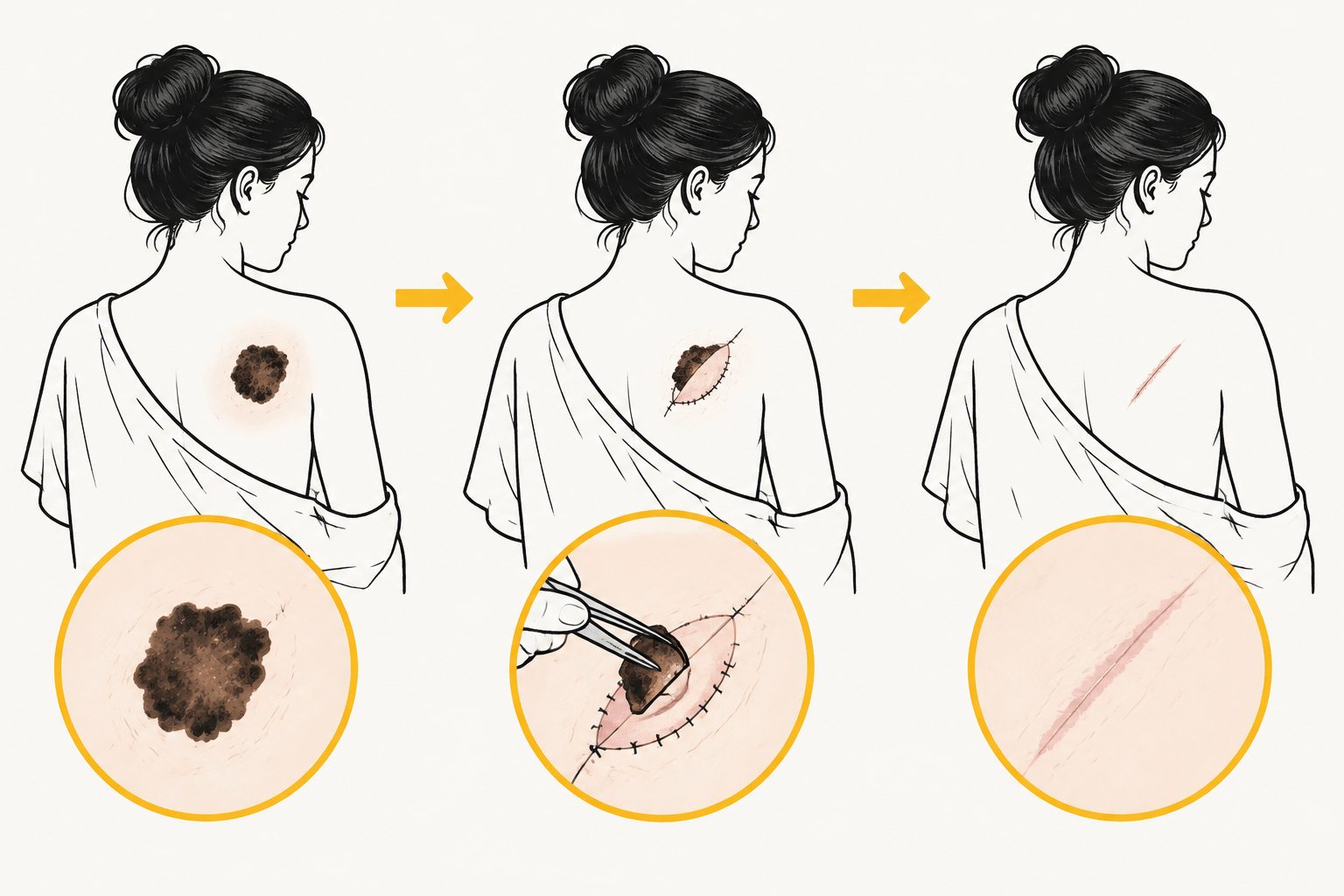
Researchers pooled results from seven human studies comparing multiple-staged with single-stage removal and reconstruction of congenital melanocytic nevi, sometimes called congenital moles. Staged surgery was associated with fewer major wound complications and recurrences, as well as slightly shorter and narrower scars, but the studies did not find a clear difference in cosmetic or overall patient satisfaction.
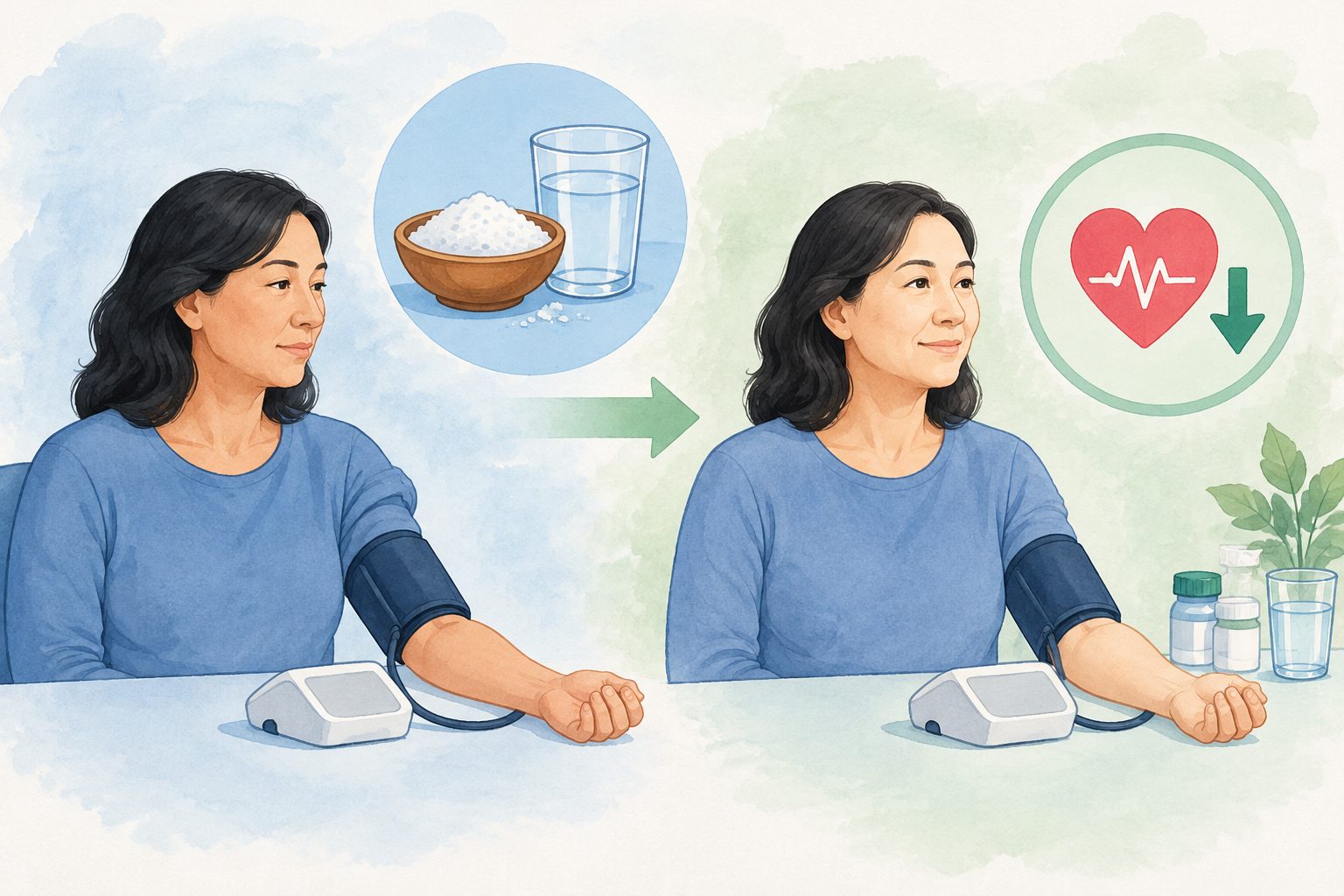
A cluster-randomized human study in 210 adults with recently detected stage 1 hypertension in Uzbekistan compared salt-sensitivity testing followed by assigned medication choices with conventional management. After 12 weeks, more participants in the testing-guided group reached the study's blood pressure target, although the study was small, short, and conducted in only three primary care centers.