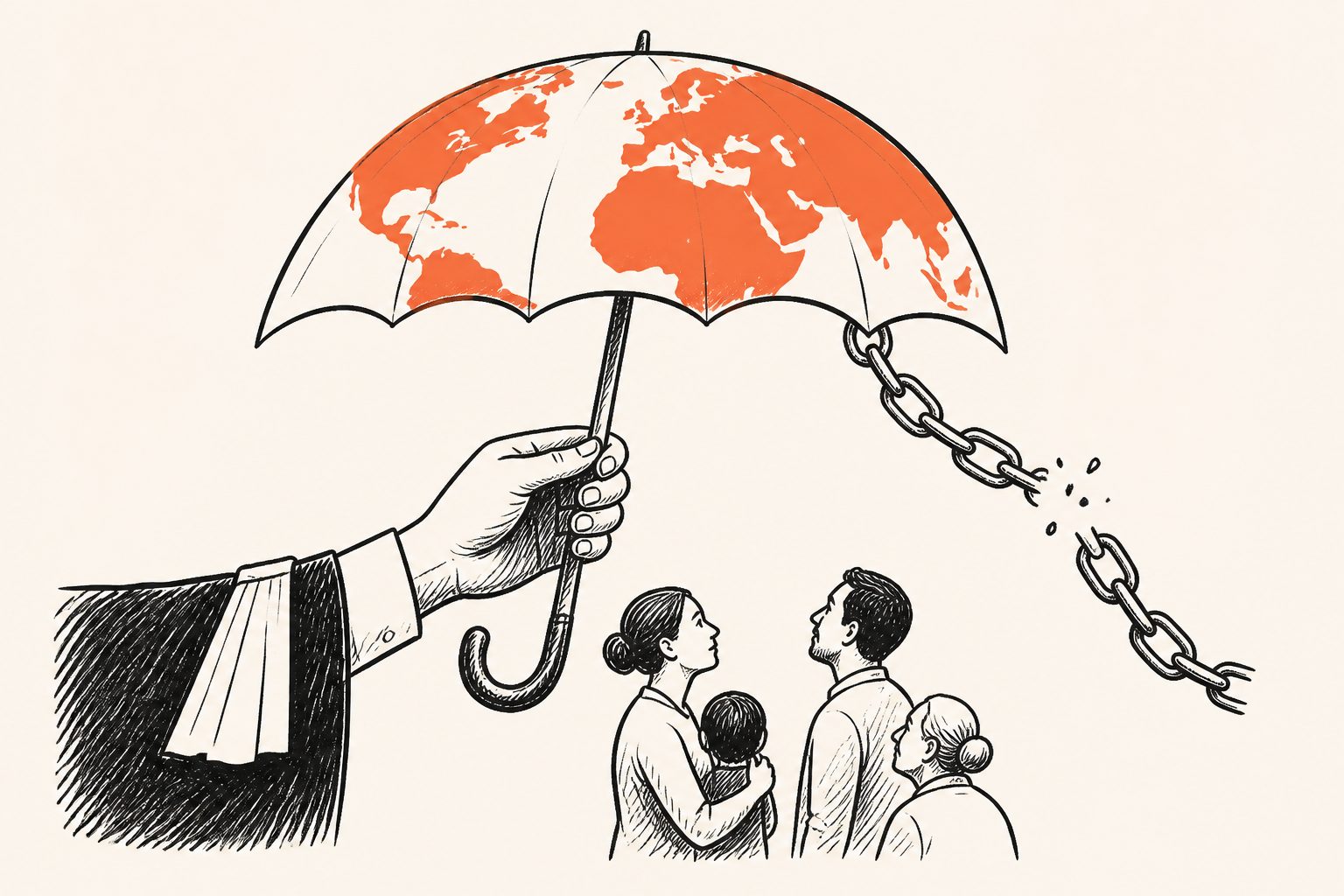
The article says complying with the climate deal is not enough to meet broader duties to prevent harm and protect rights.
The article asks whether countries can treat the Paris Agreement as the only legal basis for their climate responsibilities when human rights are at stake. It argues that this view misunderstands how treaty rules relate to other principles of international law.
Drawing on decisions by the International Court of Justice, regional human rights courts, and United Nations bodies, the author describes how climate change is recognized as threatening rights such as the right to life, territorial integrity, and self-determination. The article concludes that climate treaties fit within a wider legal framework that calls for comprehensive measures protecting both the environment and human rights.
What the article argues
The article’s core claim is that complying with the Paris Agreement alone is insufficient to meet States’ broader human rights obligations under international law. It argues that principles like due diligence, prevention of transboundary harm, and the duty not to cause significant environmental damage continue to apply alongside the climate treaty regime, and that climate change is recognized as directly threatening rights including the right to life, territorial integrity, and self-determination.
Evidence base and caveats
This is a legal argument that draws on referenced jurisprudence from the International Court of Justice, regional human rights courts, and United Nations bodies. The abstract does not provide original legal case outcomes, new data, or a systematic review, so the strength of the conclusion depends on how the cited jurisprudence is interpreted within the article’s framework, which cannot be fully assessed from the abstract alone.
// Source
Bristol Research (University of Bristol) · 2026
Open access versionPublished 2026-08-01 Authors: Sosefo Sepasitiano Patelisio