New analysis finds combined aerobic and strength training is linked to better outcomes in coronary heart disease
Researchers pooled RCT results on exercise capacity, muscle strength, quality of life, and mortality in people with CHD.
High evidenceReview
Medical disclaimer: This article summarizes research findings and is for informational purposes only. It is not medical advice.
Editorial illustration — not from the study.
The researchers searched multiple medical databases for randomized controlled trials in CHD patients that evaluated CART. They combined trial results using standard meta-analytic methods and focused on outcomes such as peak oxygen consumption (peak VO2), 6-minute walking distance (6MWD), muscle strength measures (including 1-repetition maximum and handgrip strength), health-related quality of life (HRQoL), and mortality.
Overall, the pooled results suggested CART improved exercise capacity and strength, and was linked to fewer mortality events compared with non-exercising usual care. The analysis also reported that CART appeared superior to aerobic training for several exercise and strength-related outcomes, and more effective than resistance training for improving peak VO2.
The question reviewed
The question was whether combined aerobic and resistance training (CART) improves exercise capacity, muscle strength, health-related quality of life (HRQoL), and mortality in patients with coronary heart disease (CHD). The study design was a systematic review with meta-analysis of published randomized controlled trials (RCTs). The abstract states the researchers searched MEDLINE/PubMed, Scopus, Cochrane Central Register of Controlled Trials, and EMBASE for RCTs comparing CART in CHD patients, and they pooled outcomes using mean difference (MD), standardized mean difference (SMD), and risk ratio (RR) with 95% confidence intervals.
What the evidence shows
Compared with non-exercising usual care, CART improved: relative peak VO2 by 2.20 ml/kg/min (P < 0.0001), peak torque by 16.69 N.m (P < 0.0001), handgrip strength by 4.68 kgf (P < 0.0001), and HRQoL by 1.00 (P < 0.00001), and reduced mortality (RR = 0.40; P = 0.002).
Compared with aerobic training, CART improved peak VO2 (relative and absolute) by 0.28 (P < 0.002), 6MWD by 21.98 m (P = 0.004), 1-RM by 0.61 kg (P < 0.0001), peak torque by 4.03 N.m (P = 0.002), and HRQoL by 0.50 (P < 0.0004).
Compared with resistance training, CART improved relative peak VO2 by 1.91 ml/kg/min (P < 0.00001).
Where this may apply
These findings may be most applicable to CHD populations that resemble those in the included RCTs and to rehabilitation contexts where CART was implemented similarly to the studies. They do not directly apply to people without CHD, and the abstract does not provide enough detail to judge whether specific CART formats (such as intensity, duration, or supervision) match every real-world program. This summary is informational and does not provide personal medical advice or recommendations.
What this could mean
For a general audience, exercise and physical conditioning are major concerns in CHD because they relate to how well people can function physically and how health outcomes may develop over time. This analysis is relevant because it synthesizes RCT evidence across multiple outcomes (capacity, strength, quality of life, and mortality). However, as with any pooled analysis, the exact strength of the conclusion depends on the included trials, which are not detailed in the provided abstract.
Limitations & evidence assessment
Key limitations include that the abstract does not report how many RCTs or participants were included, what the training programs looked like in detail, the follow-up duration, or the consistency of results across studies. Because this is a meta-analysis, results depend on the quality and comparability of the included RCTs. The abstract does not describe potential risks of bias, how missing data were handled, or whether publication bias was assessed. Also, while randomized trials reduce certain confounding, the pooled nature of the findings still cannot guarantee that every individual patient would respond the same way.
Why this evidence level: Meta-analysis pooling multiple studies sits at the top of common evidence hierarchies.
Evidence levels are editorial estimates derived from study metadata — they are not clinical appraisals.
// Source
Sports Medicine - Open · 2026 · DOI: 10.1186/s40798-026-01080-3
This systematic review examined randomized human trials of concurrent chemotherapy and radiation for locally advanced head and neck, cervical, esophageal, and non-small-cell lung cancers. Across the included trials, combined treatment was reported to provide better overall survival than radiation alone, but it also caused more severe short-term side effects. The review did not provide enough information in its abstract to show how many trials or patients were included.
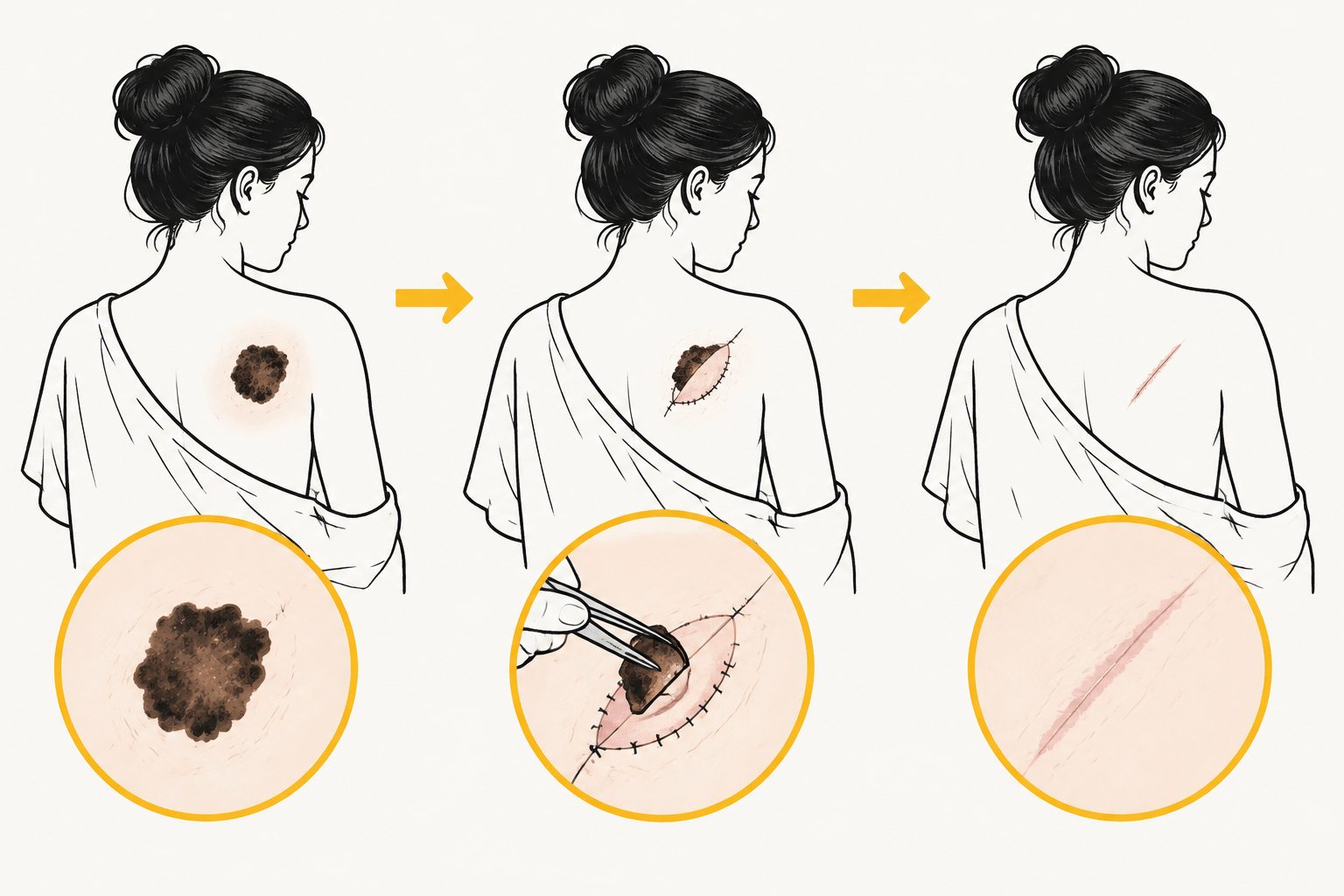
Researchers pooled results from seven human studies comparing multiple-staged with single-stage removal and reconstruction of congenital melanocytic nevi, sometimes called congenital moles. Staged surgery was associated with fewer major wound complications and recurrences, as well as slightly shorter and narrower scars, but the studies did not find a clear difference in cosmetic or overall patient satisfaction.
A cluster-randomized human study in 210 adults with recently detected stage 1 hypertension in Uzbekistan compared salt-sensitivity testing followed by assigned medication choices with conventional management. After 12 weeks, more participants in the testing-guided group reached the study's blood pressure target, although the study was small, short, and conducted in only three primary care centers.