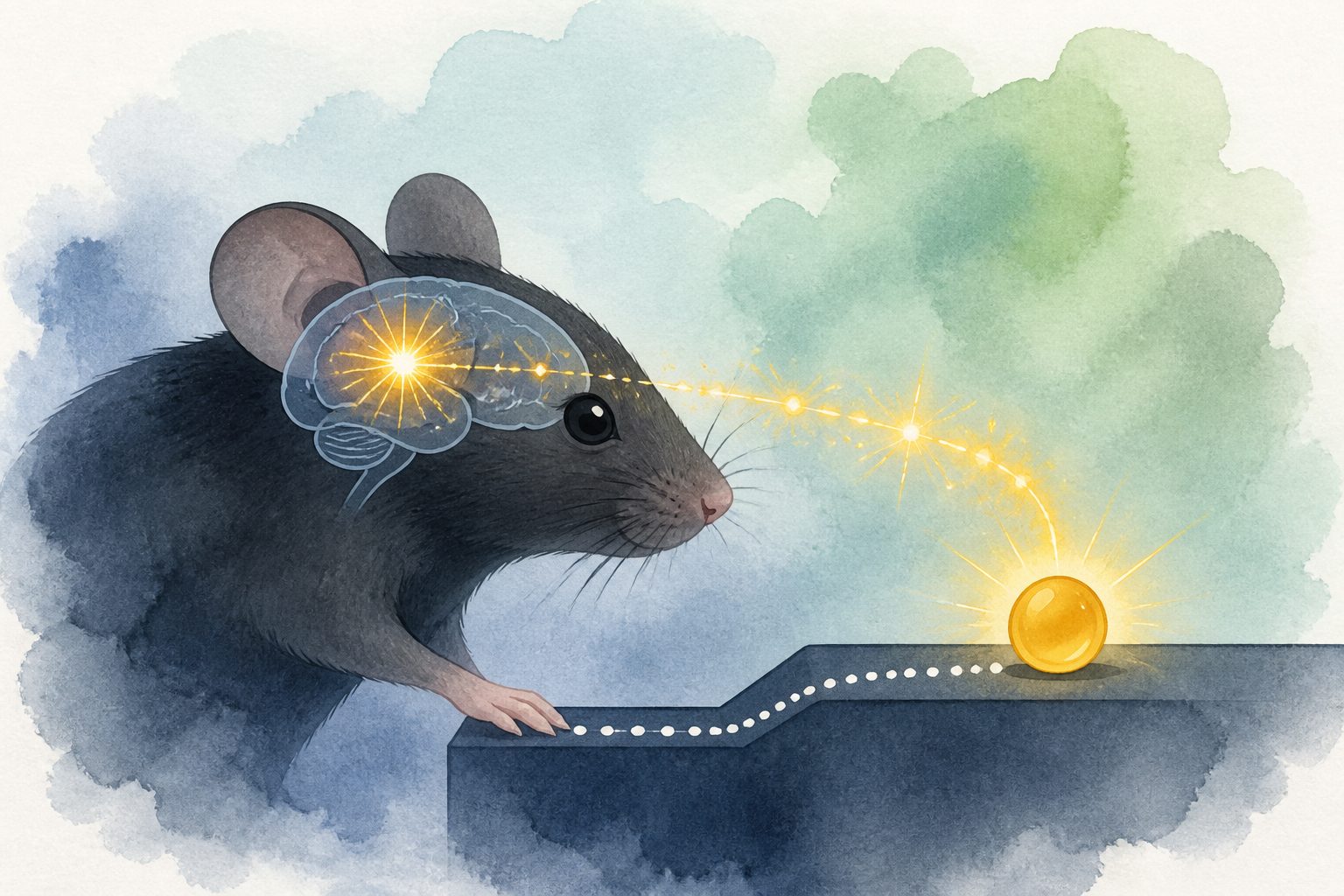
The activity patterns changed when the mice learned new rules, lost old associations or faced less reliable outcomes.
Researchers recorded activity across the cortex, thalamus and other connected brain regions while male mice learned to distinguish sensory cues linked to different outcomes. As the mice learned, more neurons used short bursts of activity to signal the task’s rules, and these bursts carried much of the rule-related information in the thalamus and cortex.
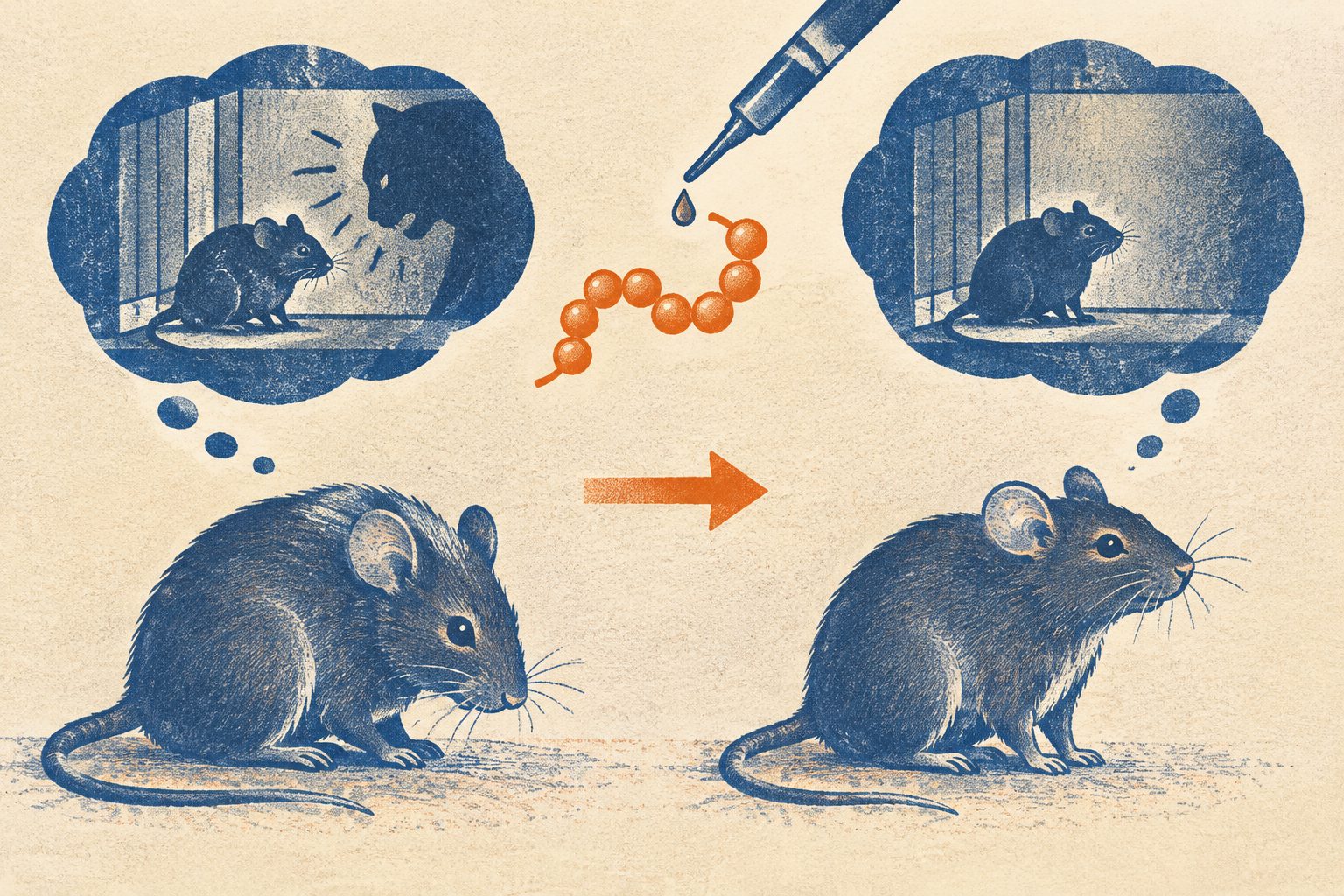
The bursts also changed with the value of the cues, weakened when the cue–outcome links became less reliable and reversed after the researchers repeatedly changed the rules. Suppressing thalamocortical bursts with drugs or targeted genetic methods disrupted learning and performance, suggesting that these activity patterns are not only associated with learning but help produce it.
How brain bursts changed
The researchers identified neurons that encoded task rules through whether they produced bursts of activity. These burst-coding neurons appeared across the cortex, thalamus and regions outside the thalamus, and their proportion increased as learning progressed. Decoding analyses found that they were the main carriers of rule information within the thalamocortical system.
Burst rates tracked the value of sensory stimuli. They fell when the links between stimuli and outcomes were degraded and reversed after repeated changes to the task rules. When the researchers suppressed thalamocortical bursting using pharmacological or focal genetic methods, the mice showed disrupted learning and task performance.