A giant virus infecting an ocean alga carries a rhodopsin-like gene
The virus also has an unusually large, flexible particle and genes resembling those found in marine bacteria.
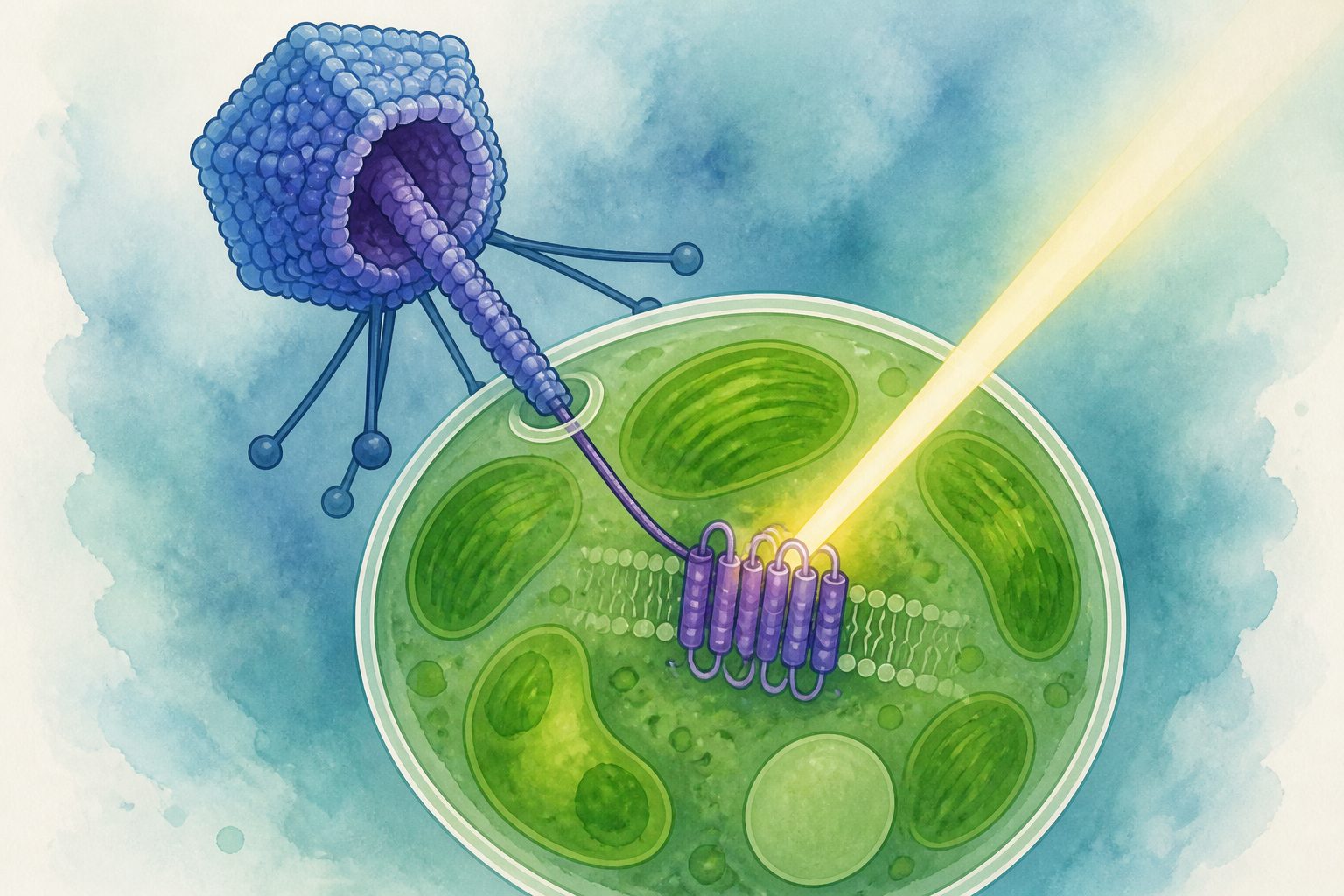
Editorial illustration — not from the study.
Researchers have isolated the first cultivated virus known to infect a chrysophyte, a group of aquatic protists that can make food by photosynthesis and also consume prey. The virus, collected with its host from surface waters in the tropical North Pacific Ocean, has an unusually large, flexible form and a genome 1.19 million base pairs long.
Its genome contains two heliorhodopsins and a proteorhodopsin. Proteorhodopsins are best known as light-driven proton pumps in bacteria, and this is the first reported example of one in a viral genome. Structural predictions suggest the viral protein may not bind retinal properly, leaving its function uncertain.
What the virus carries
The researchers isolated and cultivated Chrysophyceae Clade H virus SA1, or ChrysoHV, together with its phago-mixotrophic chrysophyte host from tropical North Pacific surface waters. It is the first cultivated virus reported from a chrysophyte-infecting system.
The virus has a capsid about 290 ± 40 nanometers across, surrounded by a loose, sac-like membrane that extends its effective diameter to about 720 ± 120 nanometers. A thin, flexible tail is about 1,200 ± 240 nanometers long and 20 ± 2 nanometers wide. The researchers describe this combination as unlike any previously described virion.
ChrysoHV has a 1.19-megabase genome and is classified as the third cultivated member of the Aliimimivirinae subfamily within the Mimiviridae family of giant viruses. Its genome encodes two heliorhodopsins and one proteorhodopsin. Proteorhodopsins are common light-driven proton pumps in bacteria, but had not previously been reported in a viral genome. A predicted structure for the viral proteorhodopsin suggests that its retinal-binding site may not be functional, which could mean the protein has a light-independent role.
The genome also contains two ribosomal protein genes and nine genes whose closest known relatives are in marine cyanobacteria. Most of those genes are annotated as being involved in nutrient uptake.
Why this virus matters
The study fills a gap in experimental research on chrysophytes, abundant aquatic protists with roles that include photosynthesis and feeding on bacteria. It provides a cultivated virus-host system for studying infections in this group and adds an unusual particle shape to the known range of virus structures.
The proteorhodopsin-like gene expands the known catalog of viral genes, even though its function remains unresolved. The combination of viral genes resembling those in marine bacteria, a phagotrophic host and the host's ingestion of bacterial prey leads the researchers to hypothesize that such protists could help viruses and bacteria exchange genes. The genome similarities support that possibility but do not establish that gene exchange occurred in this case.
Evidence and open questions
The study is based on the isolation and cultivation of one virus-host system, along with microscopy, genome sequencing, evolutionary comparisons and a predicted protein structure. These findings establish that the virus genome contains a proteorhodopsin-like gene, but the study does not demonstrate what the protein does. Its predicted structure may lack a functional site for binding retinal, so it may not act as a light-driven proton pump. The proposed gene exchange between viruses and bacteria is a hypothesis based on genome similarities, not a directly observed transfer.
// Source
Journal of Virology · 2026 · DOI: 10.1128/jvi.00520-26
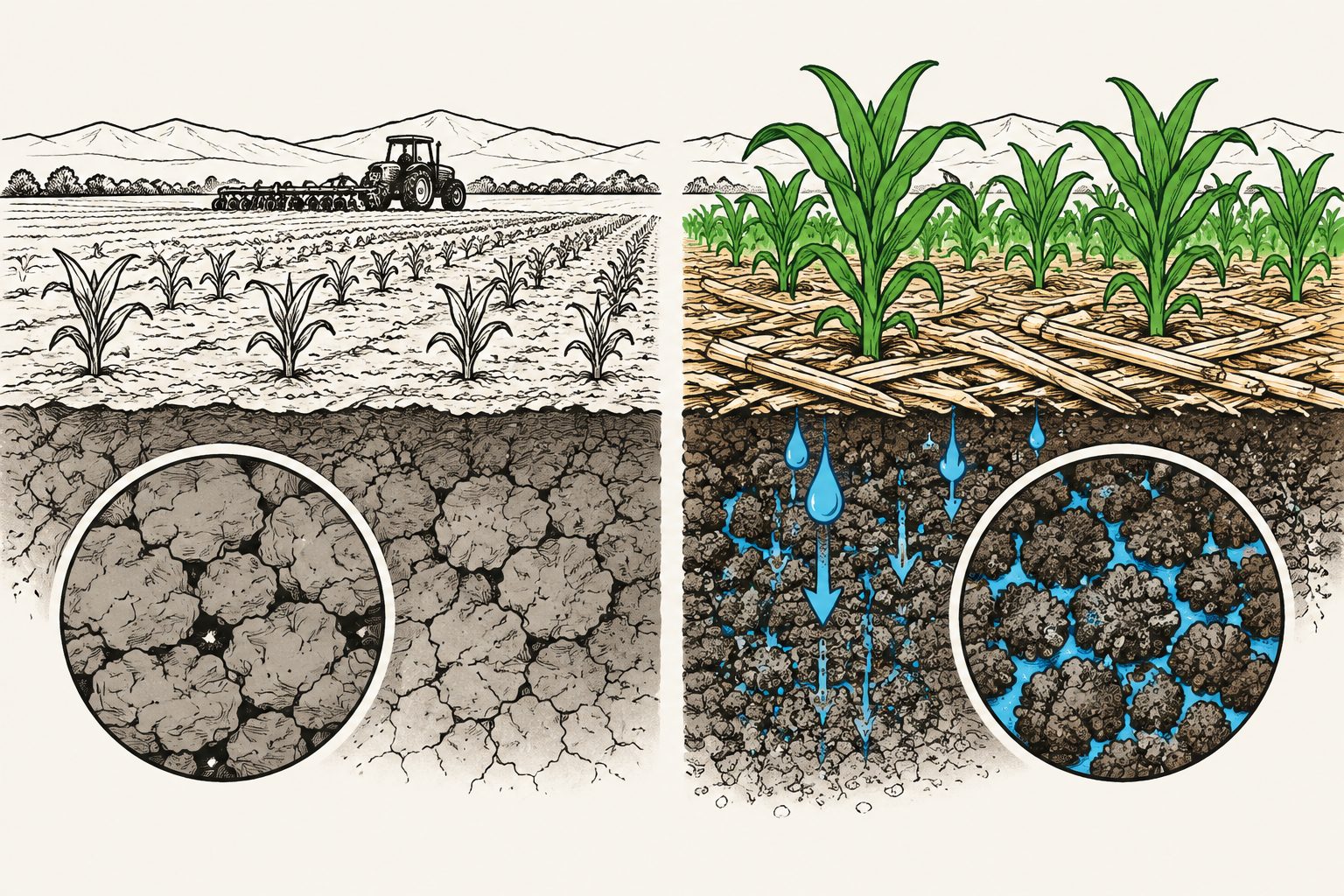
A 20-year comparison in California’s Central Valley found that reduced tillage with cover crops produced more stable soil aggregates, greater water retention and different forms of carbon protection than standard tillage without cover crops. The conservation system also retained room for additional carbon storage, although the study measured potential rather than future gains.
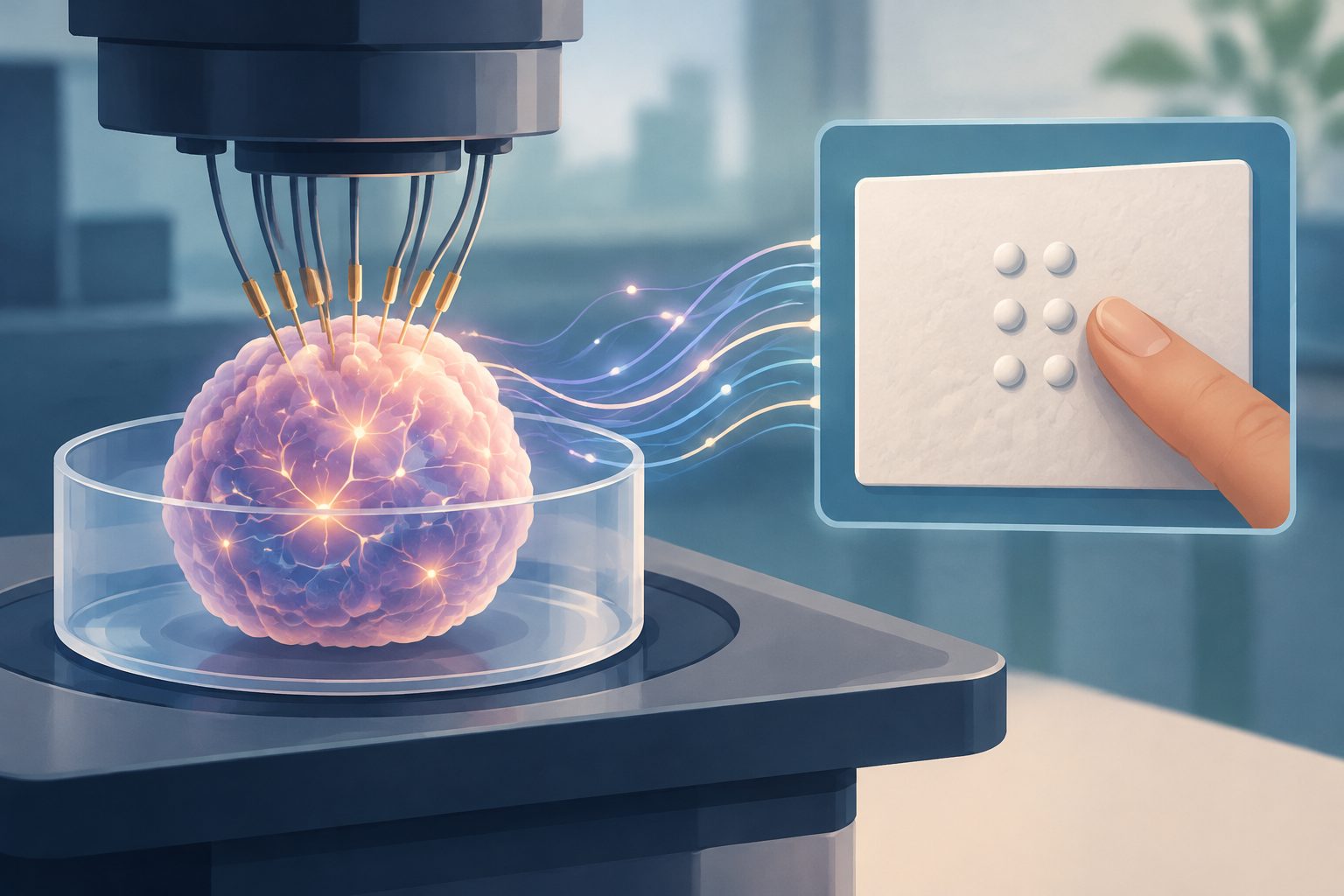
Human forebrain organoids classified artificial tactile Braille signals after a sensor converted the touch data into electrical stimulation. Accuracy averaged 61% with one organoid and rose to 83% when responses from three organoids were combined.
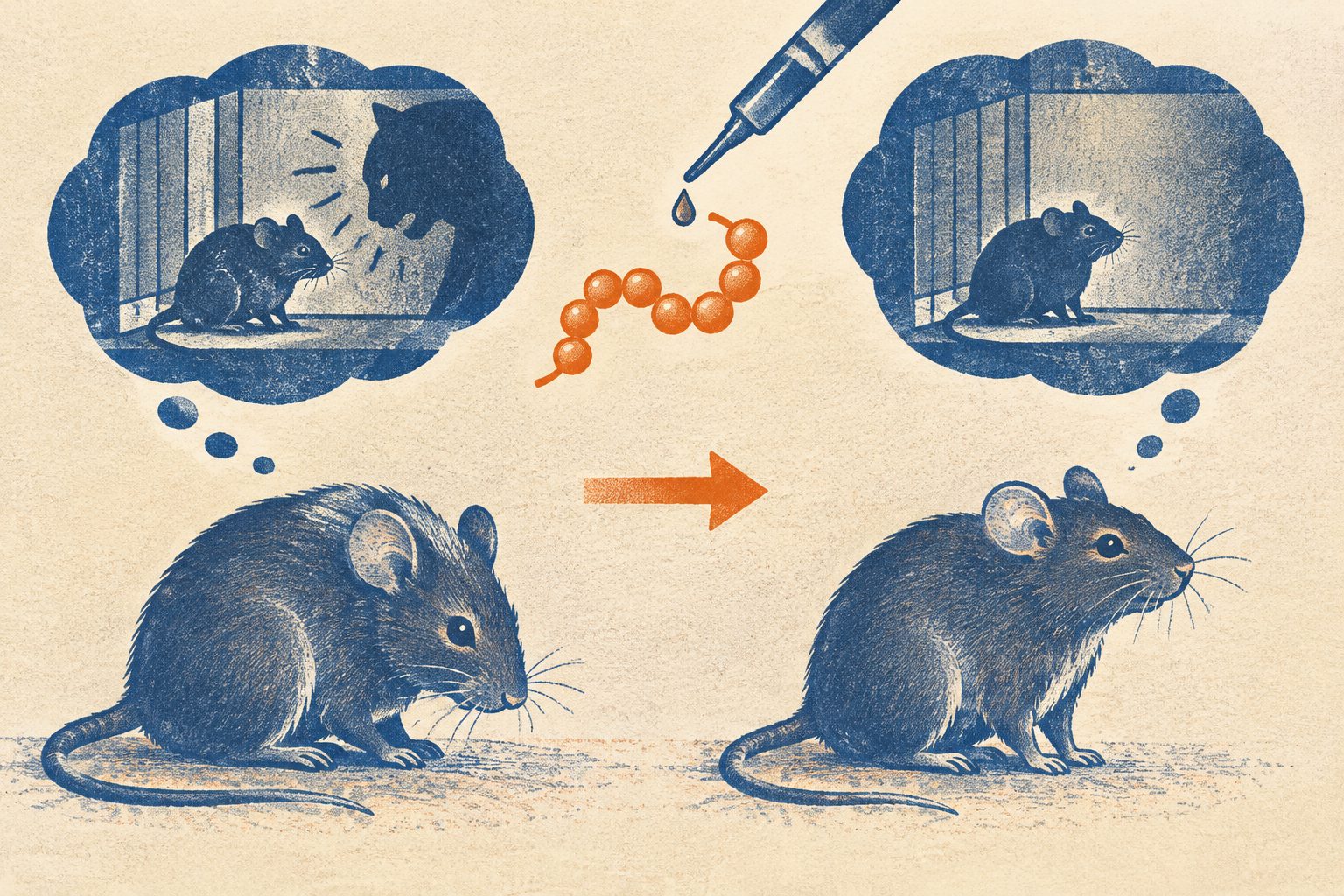
A study in mice found that a peptide targeting the memory-related protein CPEB3 reduced the persistence of traumatic memories and anhedonia, a loss of pleasure. The findings are an early genetic preclinical test of a possible approach for PTSD, not evidence of a treatment in people.