Review reports 24% case fatality among reported poisonings in Nigeria
The analysis found that children and accidental exposures were prominent among reported cases, while treatment and outcome reporting varied across studies.
Moderate evidenceReviewInterpret with caution
Medical disclaimer: This article summarizes research findings and is for informational purposes only. It is not medical advice.
Editorial illustration — not from the study.
A systematic review examined 23 studies describing acute organophosphate pesticide poisoning in 176 people treated in Nigeria between 2000 and August 2025. The review summarized who was affected, how exposure occurred, clinical features, reported management, and outcomes; it did not test a treatment or compare groups prospectively.
Children made up more than half of the reported cases, and accidental ingestion was the most common reported exposure pattern. The pooled case-fatality rate was 23.9%, but this estimate comes from a small and varied collection of clinical reports and should not be interpreted as the risk for every person exposed to these pesticides.
The question reviewed
The researchers searched PubMed, African Journals Online, Scopus, and Google Scholar for Nigerian studies published from January 2000 through August 2025. They included case reports, case series, retrospective or prospective clinical reviews, cross-sectional studies, and cohort studies that provided organophosphate-specific information about patients. Data were pooled descriptively rather than analyzed as results from a single clinical trial.
Key conclusions
Across the 176 reported cases, males accounted for 54.5% and females for the remainder, with a male-to-female ratio of 1.2 to 1. Children accounted for 55.0% of cases, and accidental ingestion was reported in 60.3%. The pooled case-fatality rate was 23.9%, or 42 of 176 cases. ICU admission was documented in at least seven cases among studies that reported this information. Atropine was reported as the most commonly used antidote, appearing in 12 of the 23 studies, while pralidoxime was reported in two studies. The review also described delayed presentation, limited resources, and shortages of antidotes as reported challenges, but its design cannot establish that these factors caused particular outcomes.
Where this may apply
These findings describe reported cases of acute organophosphate poisoning in Nigeria included in the review, not all poisoning cases in Nigeria or other countries. The reported case-fatality figure should not be treated as an individual person's prognosis, and the review does not establish that the reported management approaches caused particular outcomes.
The significance
Organophosphate pesticide poisoning can be a serious public health issue, and this review brings together scattered reports from Nigeria. The findings may help describe which exposure patterns and care challenges have been reported and may inform future surveillance and public health planning. They do not show how frequently poisoning occurs in the Nigerian population overall, determine the effectiveness of any treatment, or provide an individual risk estimate. The review's discussion of regulation, safer storage, poison-control services, and mental-health support reflects the researchers' stated public health priorities, not tested interventions in this review.
Limitations & evidence assessment
The review combined case reports, case series, and clinical studies, which can overrepresent unusual or severe cases and may not reflect all poisonings. Only 176 cases were identified across 23 studies, and the studies may have differed in their methods, settings, and completeness of reporting. ICU admission was documented in only some studies, so that figure is incomplete. The abstract provides limited information about how study quality was assessed, how differences between studies were handled, and whether the results represent Nigeria as a whole.
Why this evidence level: This was a systematic review of human clinical reports, which can provide a broad summary of existing evidence. However, the 23 included studies covered only 176 cases and included case reports and case series, so the evidence is limited by small numbers, inconsistent reporting, and likely selection bias.
Evidence levels are editorial estimates derived from study metadata — they are not clinical appraisals.
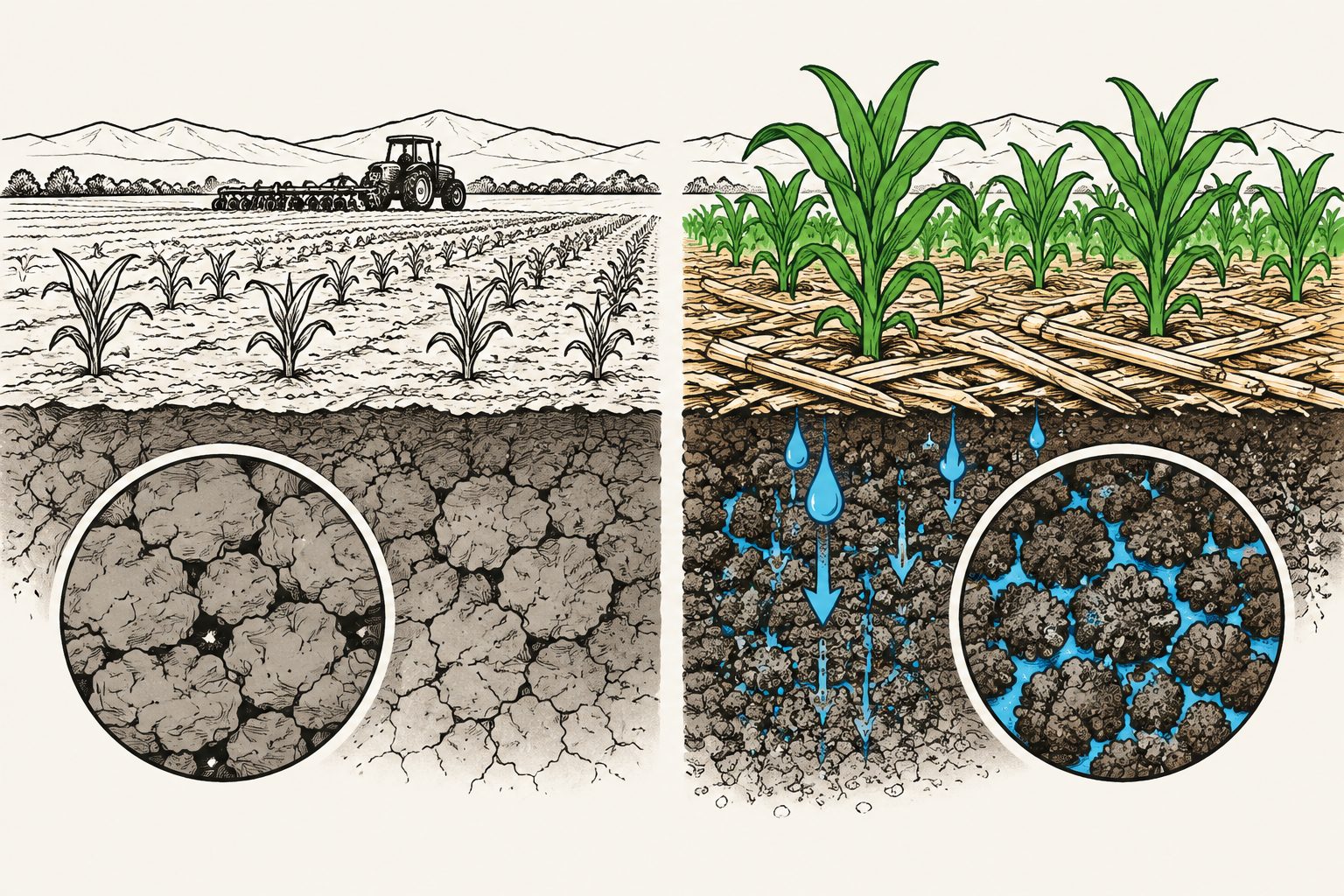
A 20-year comparison in California’s Central Valley found that reduced tillage with cover crops produced more stable soil aggregates, greater water retention and different forms of carbon protection than standard tillage without cover crops. The conservation system also retained room for additional carbon storage, although the study measured potential rather than future gains.
Human forebrain organoids classified artificial tactile Braille signals after a sensor converted the touch data into electrical stimulation. Accuracy averaged 61% with one organoid and rose to 83% when responses from three organoids were combined.
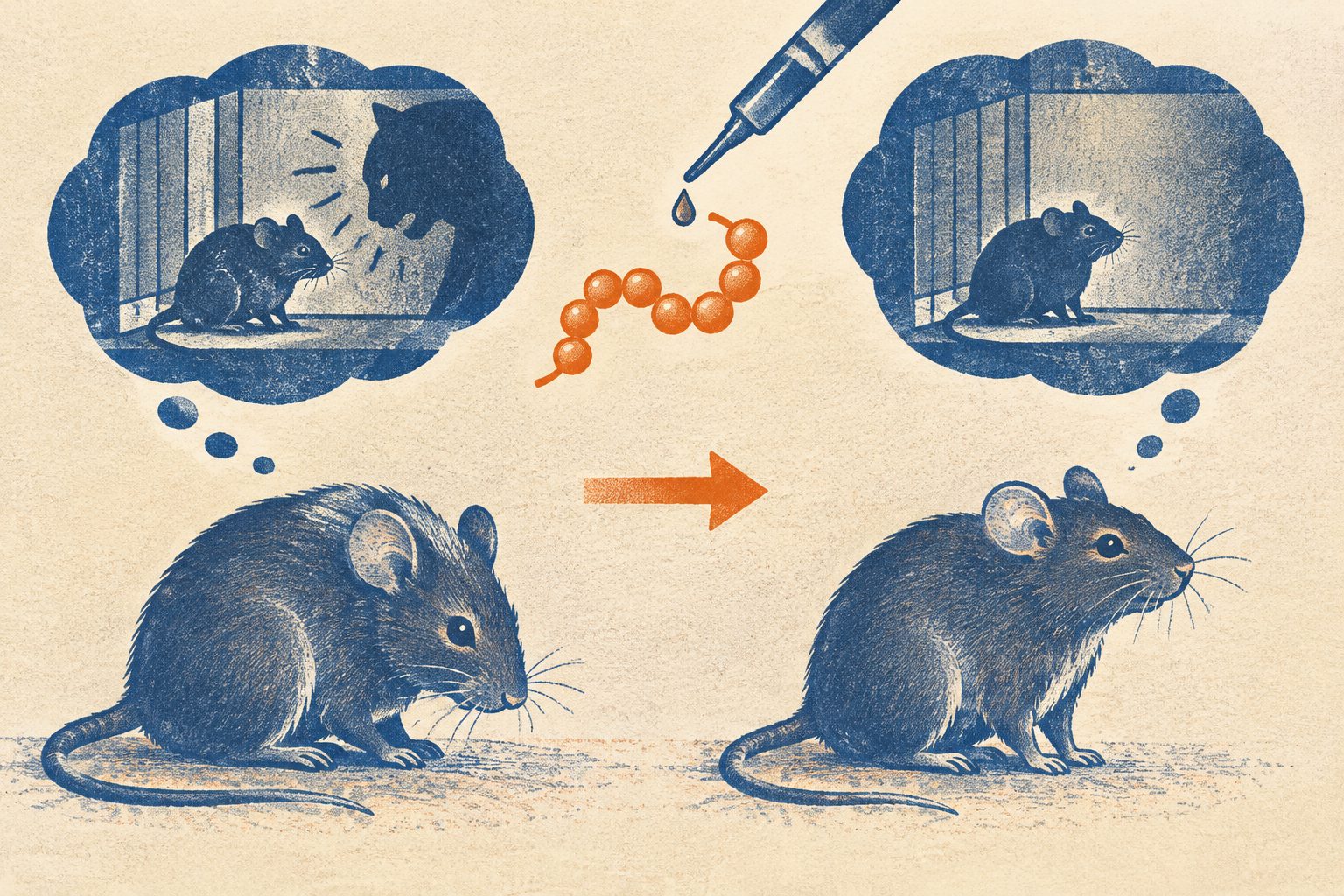
A study in mice found that a peptide targeting the memory-related protein CPEB3 reduced the persistence of traumatic memories and anhedonia, a loss of pleasure. The findings are an early genetic preclinical test of a possible approach for PTSD, not evidence of a treatment in people.