It summarizes proposed hormone and digestion changes and discusses common approaches, including continuous glucose monitoring.
Moderate evidenceReviewInterpret with caution
Medical disclaimer: This article summarizes research findings and is for informational purposes only. It is not medical advice.
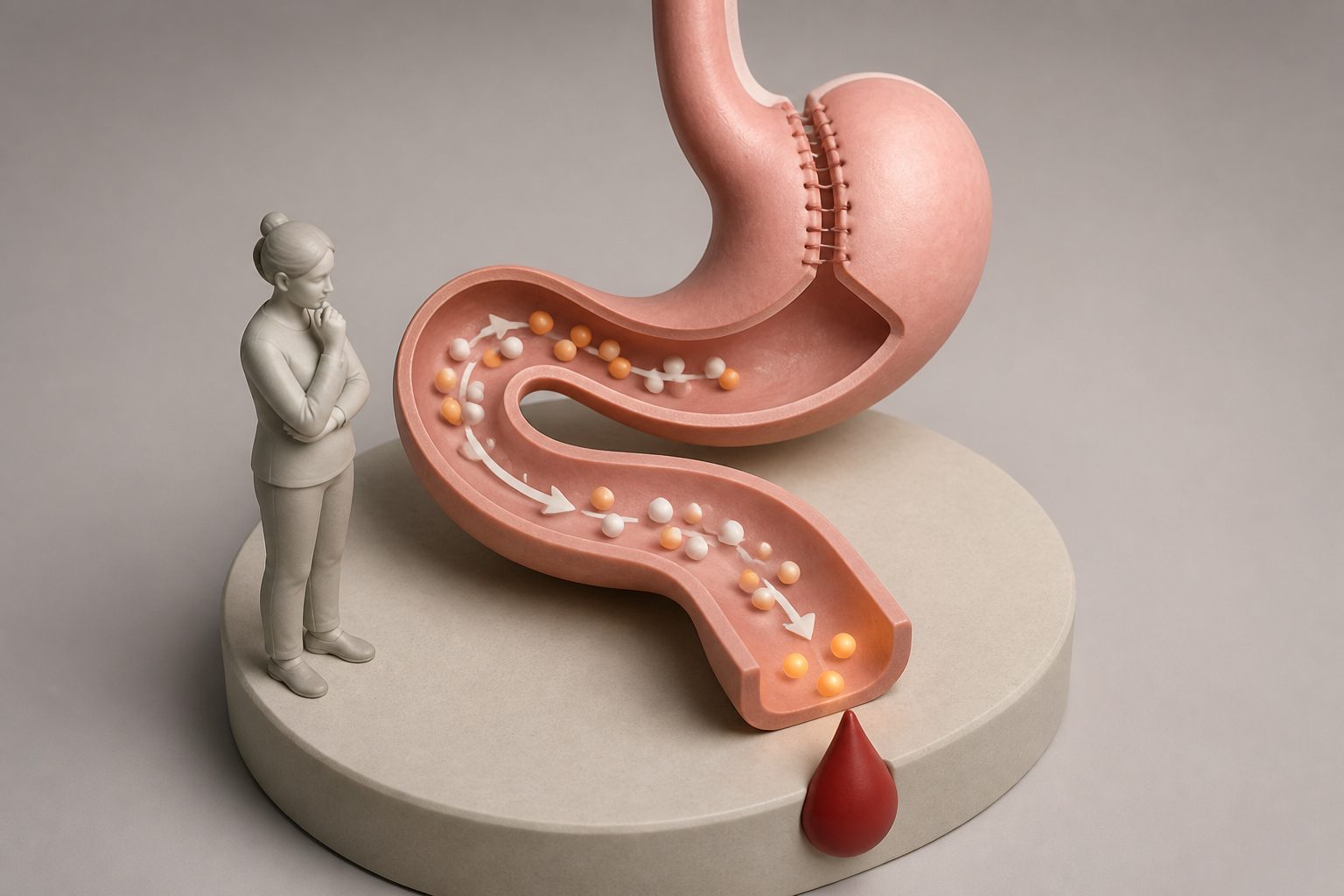
Postgastrectomy hypoglycemia is increasingly recognized as a metabolic issue after gastrectomy for gastric cancer. The review describes it as part of a broader pattern often related to dumping syndrome, where rapid nutrient movement after surgery may lead to a rise in blood sugar followed by an exaggerated insulin response and later low blood sugar.
The authors also highlight that glucose problems after surgery may include episodes that are asymptomatic (no clear symptoms) or occur at night, and may involve substantial day-to-day glucose swings. They discuss how these changes might relate to outcomes such as fatigue, reduced concentration, nutritional decline, and increased vulnerability to adverse events.
For management, the review states that dietary modification—such as frequent small meals that focus on low glycemic index carbohydrates plus adequate protein and fiber—is described as the cornerstone approach. Pharmacologic options may be considered for refractory cases, but the review notes that evidence directly targeting PGH remains limited and often relies on extrapolation from related conditions.
What the review concluded
The review reports that PGH is underrecognized yet clinically meaningful after gastrectomy for gastric cancer. It summarizes a traditional explanation linking rapid nutrient transit to post-meal blood sugar spikes, exaggerated insulin secretion, and subsequent hypoglycemia, and it describes emerging evidence that glucose disturbances may extend beyond clearly symptomatic events to include asymptomatic and nocturnal hypoglycemia as well as marked glycemic variability. It outlines proposed mechanisms involving post-meal hyperinsulinemia mediated by incretin hormones (including glucagon-like peptide-1, peptide YY, and glucose-dependent insulinotropic polypeptide). For management, it describes dietary modification as a cornerstone and notes that pharmacologic interventions may be used in refractory cases, while evidence specific to PGH is limited and often extrapolated from related conditions.
Limitations & evidence assessment
Key limitations include that this is a narrative review, so it may not systematically include and appraise all relevant studies, and it cannot substitute for controlled research. The abstract provides limited detail about which studies were included, how they were selected, and whether any formal quality assessment was performed—details that are important for evaluating reliability. The abstract also states that evidence for pharmacologic management specific to PGH remains limited and is often extrapolated from related conditions, which reduces confidence in medication-focused conclusions. Finally, the mechanistic discussion is based on proposed pathways rather than confirmed causality, and the review does not provide patient-by-patient outcome data.
Why this evidence level: Narrative review: synthesizes existing work but without systematic methodology.
Evidence levels are editorial estimates derived from study metadata — they are not clinical appraisals.
// Source
한국정맥경장영양학회지 · 2026 · DOI: 10.15747/acnm.25.0035
Authors: Cheong Ah Oh