Review examines lasting heart and autonomic problems after COVID-19 in children
Most obvious heart problems after MIS-C improved, but some children had less-visible heart changes or ongoing symptoms.
Moderate evidenceReviewInterpret with caution
Medical disclaimer: This article summarizes research findings and is for informational purposes only. It is not medical advice.
Editorial illustration — not from the study.
Researchers reviewed studies published from January 2020 through May 30, 2026, covering children with a range of initial illness severity, from mild SARS-CoV-2 infection to severe MIS-C. The review focused on heart injury, heart imaging, exercise-related outcomes, and autonomic symptoms such as palpitations, fatigue, dizziness or other orthostatic complaints, and reduced exercise tolerance.
Across the reviewed childhood cohorts, standard measures of heart function generally returned toward normal after MIS-C, and medium-term outcomes were described as generally reassuring. However, selected studies reported continuing abnormalities on strain imaging or cardiac magnetic resonance scans, even when standard echocardiograms were normal. The review also describes evidence linking persistent symptoms with autonomic dysfunction, particularly when structural heart tests did not show an explanation.
What the review covered
The authors searched PubMed and Scopus for human studies published online or in print between January 2020 and May 30, 2026. Eligible studies reported cardiovascular, autonomic, or exercise-related outcomes in children at least four weeks after SARS-CoV-2 infection or MIS-C. The review included children across the full range of acute disease severity. The abstract does not state how many studies or children were included. Although the search was comprehensive, substantial differences among the studies led the authors to use a narrative review rather than a formal statistical synthesis.
What the evidence shows
The review reports that overt cardiac dysfunction after MIS-C usually resolved, and conventional medium-term outcomes were generally reassuring across the pediatric cohorts examined. Some selected cohorts nevertheless showed persistent abnormalities on strain imaging or cardiac magnetic resonance despite normalization of standard echocardiographic findings. The clinical and prognostic significance of these less-visible imaging abnormalities remains uncertain.
The review also describes growing evidence that autonomic dysfunction may be associated with persistent palpitations, orthostatic complaints, fatigue, and exercise intolerance, especially when structural cardiac evaluations are unremarkable. These findings describe patterns across studies and do not establish that SARS-CoV-2 caused every later symptom or that the imaging abnormalities will lead to future heart disease.
Who this may apply to
These findings may be relevant to children who had SARS-CoV-2 infection or MIS-C, particularly those with persistent cardiovascular or exercise-related symptoms, but the evidence comes from varied pediatric cohorts and may not apply equally to every child. The review does not establish that subtle imaging changes predict later illness, and it does not directly apply to adults or to children whose circumstances differ substantially from the populations studied.
Why it matters
The review highlights that routine heart tests and symptoms may not always provide the same picture after SARS-CoV-2 infection or MIS-C in children. It also indicates that ongoing symptoms may involve autonomic function rather than visible structural heart abnormalities. However, the review does not establish the future health meaning of subtle imaging findings or determine which children will experience persistent problems.
Limitations & evidence assessment
The evidence was limited by major differences among studies in participant characteristics, illness patterns, follow-up timing, diagnostic tests, and definitions of outcomes. The review therefore used a narrative approach and could not provide a single pooled estimate. The abstract does not report the number of included studies or participants, and it does not provide enough information to assess the quality of each underlying study. Follow-up varied and may not fully describe long-term outcomes. Because this was a review of existing studies rather than a new controlled experiment, the findings show patterns in the available evidence and cannot by themselves establish cause or prognosis.
Why this evidence level: This review searched medical databases and summarized evidence from multiple studies in children. However, the included studies varied substantially in design, participants, follow-up timing, and outcome definitions, so the authors used a narrative review rather than combining results statistically.
Evidence levels are editorial estimates derived from study metadata — they are not clinical appraisals.
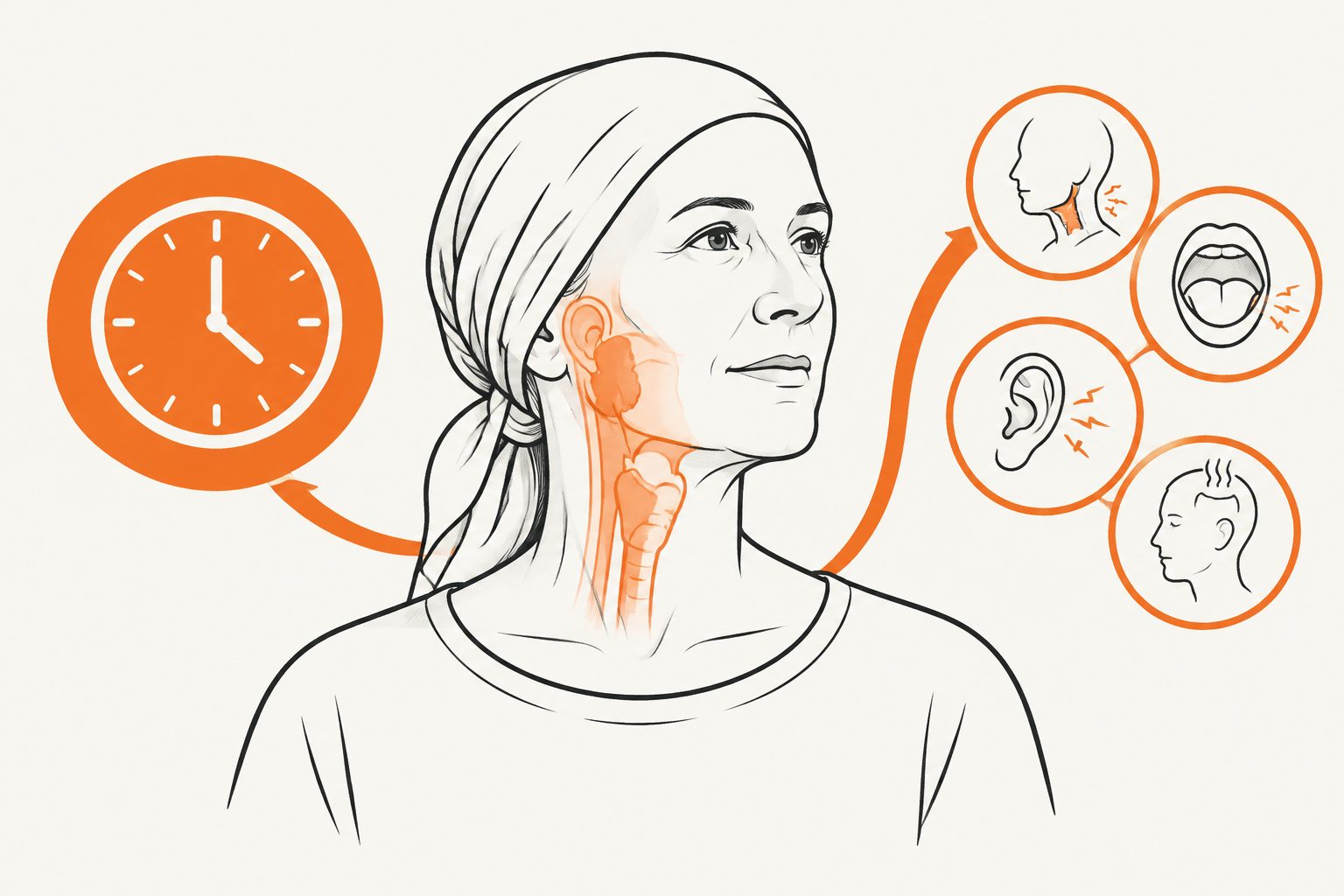
This systematic review examined randomized human trials of concurrent chemotherapy and radiation for locally advanced head and neck, cervical, esophageal, and non-small-cell lung cancers. Across the included trials, combined treatment was reported to provide better overall survival than radiation alone, but it also caused more severe short-term side effects. The review did not provide enough information in its abstract to show how many trials or patients were included.
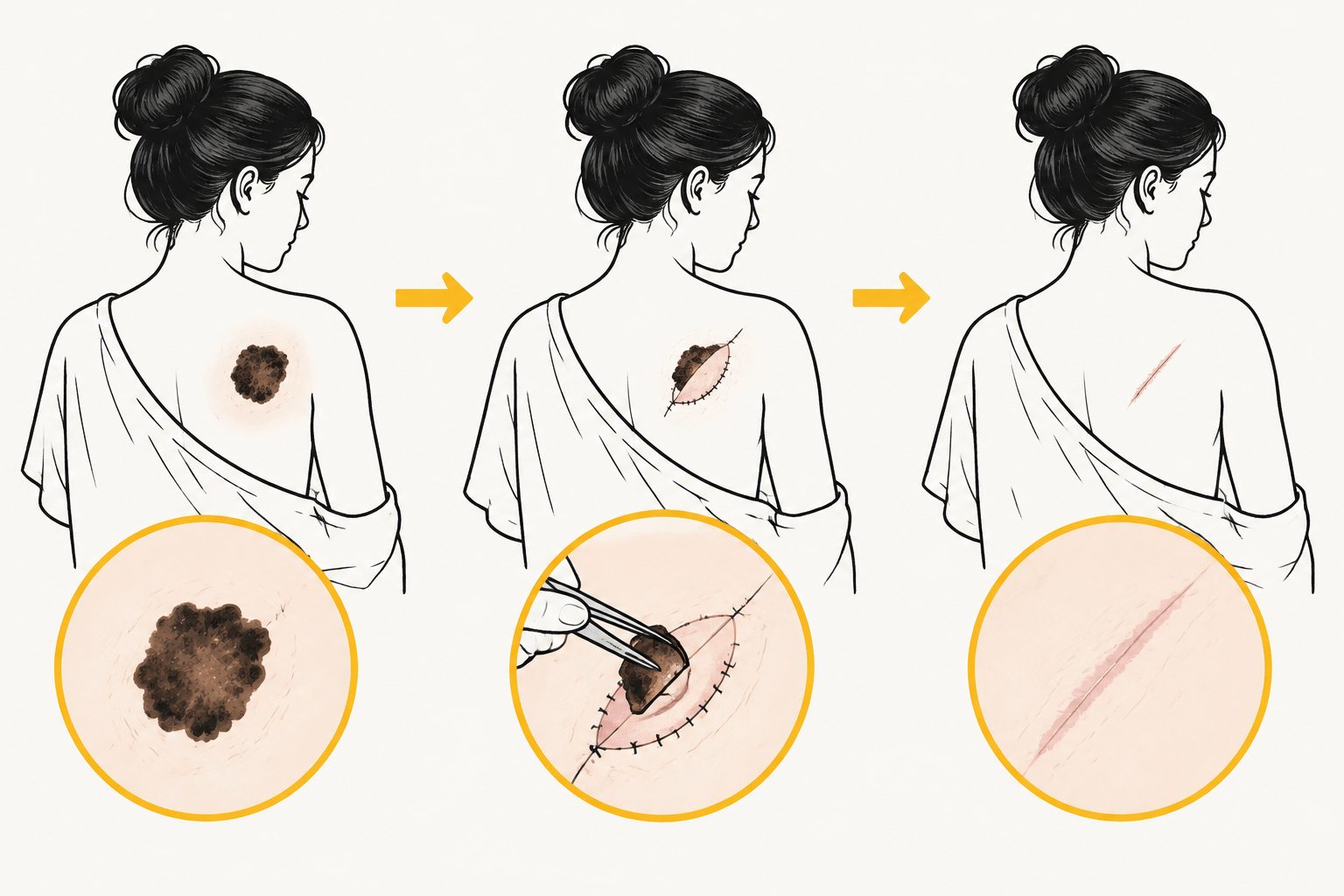
Researchers pooled results from seven human studies comparing multiple-staged with single-stage removal and reconstruction of congenital melanocytic nevi, sometimes called congenital moles. Staged surgery was associated with fewer major wound complications and recurrences, as well as slightly shorter and narrower scars, but the studies did not find a clear difference in cosmetic or overall patient satisfaction.
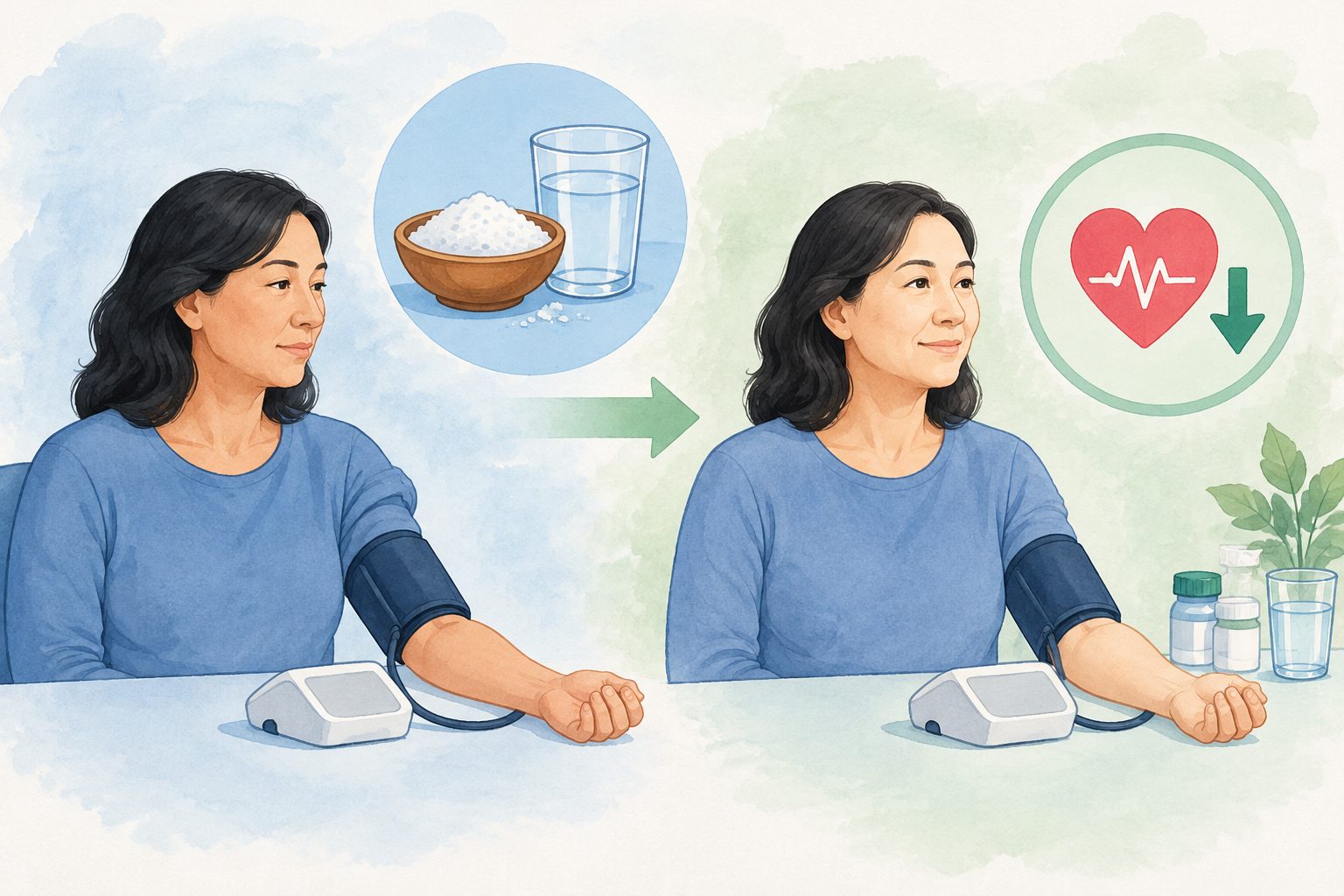
A cluster-randomized human study in 210 adults with recently detected stage 1 hypertension in Uzbekistan compared salt-sensitivity testing followed by assigned medication choices with conventional management. After 12 weeks, more participants in the testing-guided group reached the study's blood pressure target, although the study was small, short, and conducted in only three primary care centers.