Review estimates scalp ringworm affects about one in three children in Sub-Saharan Africa
The analysis found different prevalence estimates depending on diagnostic methods and region, with substantial variation between studies.
High evidenceReviewSome caution advised
Medical disclaimer: This article summarizes research findings and is for informational purposes only. It is not medical advice.
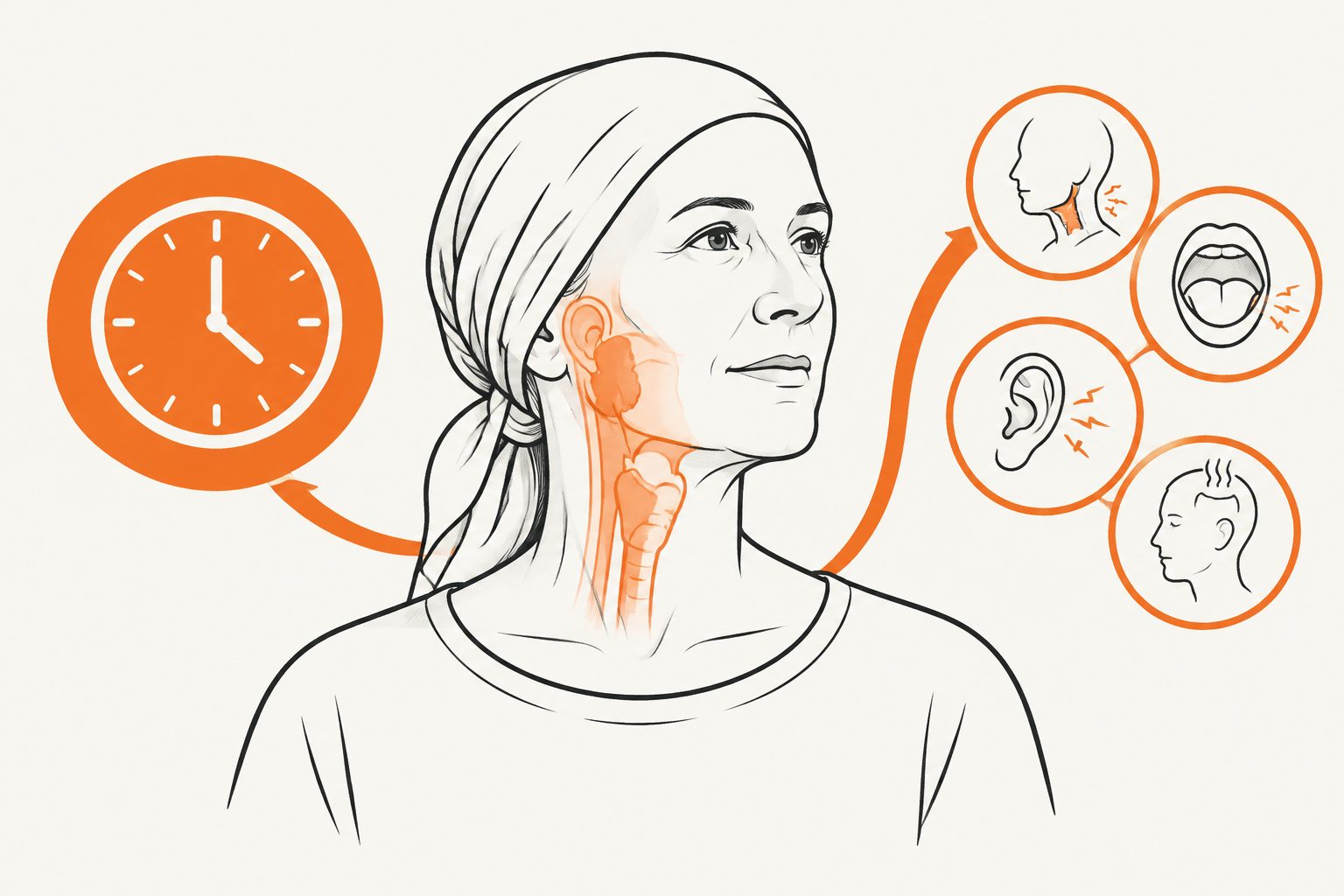
Editorial illustration — not from the study.
Researchers searched several medical and African research databases for peer-reviewed studies available through March 15, 2024. They combined prevalence estimates using a random-effects statistical model and examined differences by diagnostic method and geographic region.
The pooled estimate was 34%, with a 95% confidence interval of 24% to 44%. Estimates were higher when diagnosis was based only on clinical examination than when cases were confirmed by laboratory testing, and West Africa had the highest regional estimate in the analysis. These findings describe patterns across the included studies; they do not establish the prevalence in every Sub-Saharan African country or community.
The question reviewed
The researchers asked how common tinea capitis is among children younger than 18 years in Sub-Saharan Africa and whether prevalence differed by diagnostic method or region. They conducted a systematic review following PRISMA 2020 guidance, searching PubMed, EMBASE, Web of Science, and African databases for peer-reviewed studies. Twenty-seven studies met the inclusion criteria and were included in the meta-analysis.
What the evidence shows
The estimated pooled prevalence of tinea capitis was 34%, with a 95% confidence interval of 24% to 44%. Statistical heterogeneity was substantial: I² was 69.5%, meaning that prevalence estimates differed notably across the included studies. Studies using clinical-only diagnosis reported an estimate of 42.0%, compared with 26.4% for laboratory-confirmed cases. The estimate for West Africa was highest among the reported regional groups, at 38.2%. Egger’s test did not find evidence of publication bias, although such tests cannot rule out all forms of bias.
Where this may apply
These findings may be relevant to children and communities similar to those represented in the 27 studies from Sub-Saharan Africa. The pooled estimate should not be assumed to apply equally to every country, region, school, or child, especially where diagnostic practices or living conditions differ. The review provides a population-level estimate and does not determine an individual child’s likelihood of having tinea capitis.
The significance
Tinea capitis can affect the scalp and hair and may be associated with illness and social stigma in children. The analysis suggests that the condition is common in the populations represented by the included studies, while the differences by diagnostic method and region indicate that local conditions and measurement methods matter. The authors identified school-based surveillance and better access to diagnostic testing as possible public-health priorities; this review itself did not test those approaches.
Limitations & evidence assessment
The main limitation was substantial variation between studies, including differences in diagnostic methods and geographic settings. Clinical-only diagnosis produced higher estimates than laboratory confirmation, which may partly explain the overall variation. Because this was a meta-analysis of existing studies, it could not provide individual-level information or establish why prevalence differed between locations. The abstract does not report the number of children represented, the quality of each included study, or how representative the study samples were of all children in Sub-Saharan Africa. The search covered evidence through March 15, 2024, so later studies were not included. Although the authors reported no evidence of publication bias, that result does not exclude the possibility of missing or selectively published evidence.
Why this evidence level: Meta-analysis pooling multiple studies sits at the top of common evidence hierarchies.
Evidence levels are editorial estimates derived from study metadata — they are not clinical appraisals.
// Source
Discover Public Health · 2026 · DOI: 10.1186/s12982-026-02744-x
This systematic review examined randomized human trials of concurrent chemotherapy and radiation for locally advanced head and neck, cervical, esophageal, and non-small-cell lung cancers. Across the included trials, combined treatment was reported to provide better overall survival than radiation alone, but it also caused more severe short-term side effects. The review did not provide enough information in its abstract to show how many trials or patients were included.
Researchers pooled results from seven human studies comparing multiple-staged with single-stage removal and reconstruction of congenital melanocytic nevi, sometimes called congenital moles. Staged surgery was associated with fewer major wound complications and recurrences, as well as slightly shorter and narrower scars, but the studies did not find a clear difference in cosmetic or overall patient satisfaction.
A cluster-randomized human study in 210 adults with recently detected stage 1 hypertension in Uzbekistan compared salt-sensitivity testing followed by assigned medication choices with conventional management. After 12 weeks, more participants in the testing-guided group reached the study's blood pressure target, although the study was small, short, and conducted in only three primary care centers.